





























































































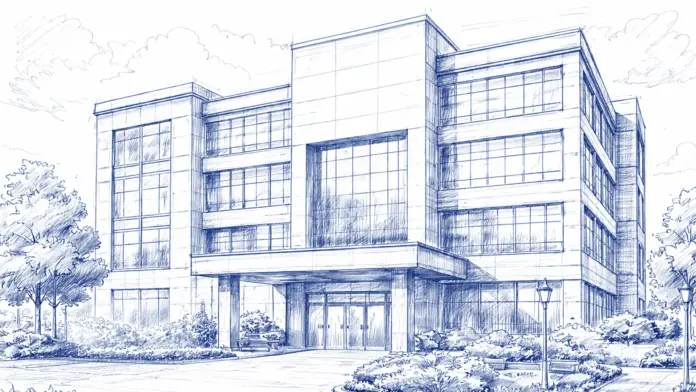
About Imagine House Nola
Imagine House Nola is a sober living community in New Orleans, Louisiana providing structured recovery housing for adults working to maintain sobriety. Located in the heart of Uptown New Orleans, the program offers gender specific residences for both men and women. Imagine House Nola emphasizes community connection, life skills development and ongoing recovery support in a safe and substance free environment.
Sober Living Programs
Residents can choose from men’s sober living or women’s sober living programs, each designed to provide structure and peer support during early recovery. The men’s program features a highly structured environment with live in house managers, while the women’s program offers a safe, gender specific space tailored to the unique needs of women in recovery.
Programs include weekly in house recovery meetings, life skills training, yoga, meditation and nutrition education. Residents also benefit from community dinners, fellowship activities and on site drug and alcohol testing to support accountability and long term sobriety.
Key Details
- Location: Uptown New Orleans, steps from St. Charles Avenue and less than one mile from Tulane and Loyola Universities
- Programs offered: Structured sober living for men and women in separate residences
- Who they serve: Adults in recovery from substance use disorders seeking a supportive living environment
- Approach: Community focused recovery with life skills training, wellness activities and required recovery meetings
- Payment options: Self pay, flexible payment plans and financing options available
- Accommodations: Fully furnished homes with off street parking, linens and kitchen supplies included
Begin Your Recovery Journey
Getting started at Imagine House Nola begins with reaching out to the admissions team to discuss your recovery goals and housing options. Staff can help explain program expectations, payment plans and availability at their New Orleans sober living residences.

Rehab Score
 Our Methodology


Location
Other Forms of Payment
Self-pay involves paying for treatment out of your own pocket. You can use savings or credit, get a personal loan, or receive help from family and friends to fund your treatment. If you don't have insurance or your insurance plan doesn't cover a specific program, self-pay can help ensure you still get the care you need.
Financing your treatment can make treatment more accessible. You'll work with your care provider to set up payment plans, including interest rates and repayment timelines. Financing options vary widely and not all programs offer them, so be sure to get the full details before enrolling in treatment. If you have insurance or other benefits, financing may help you cover your remaining out of pocket expenses.
Addiction Treatments
Levels of Care
A partial hospitalization program (PHP) offers an intensive, short-term rehab option for individuals who don't require 24-hour support. PHP treatment can be an alternative to inpatient hospitalization or a "step-down" option from hospitalization or a residential program. Typically, it requires you to meet a minimum of 6-8 hours a day for an average of 90 days. Services provided in PHP treatment often include relapse prevention strategies, medication management, individual and group therapy, and other behavioral therapy interventions.
Clients engaged in an intensive outpatient program (IOP) participate in multiple treatment sessions weekly. Typical treatment modalities include individual, group, and family counseling, addiction and recovery education, medication assisted treatment (MAT), and evidence-based holistic therapies. Most intensive outpatient rehabs require clients to engage in a minimum of nine and a maximum of 20 treatment hours per week. Many clients enter IOP after stepping down from intensive inpatient care, but some may enroll immediately after completing detox.
Clients enrolled in outpatient rehab typically need less intensive supervision and support than those in inpatient care. Clients may continue to work and attend school while participating in addiction counseling and recovery education during the evening, night, or weekend. Clients also often enter intensive outpatient (IOP) treatment immediately upon exiting residential care, which provides them with high-level step-down support as they reintegrate into their homes and communities.
Sober living homes in Louisiana offer a drug- and alcohol-free environment where residents can maintain or establish their sobriety. Also called a halfway house, this setting offers peer empowerment, support, accountability, reinforcement of recovery principles, and individual responsibility. It is a safe place where residents can solidify their recovery skills and prepare to return home or establish a new independent life.
Treatments
Alcoholism - also known as alcohol use disorder (AUD), alcohol dependence, and alcohol addiction - is a chronic condition that describes a form of problem drinking that causes harm to a person's health and relationships. To treat AUD, alcohol rehab in Louisiana is usually necessary. This typically involves three phases: medical detox to safely withdraw from alcohol, rehabilitation through evidence-based therapies, and support for long-term recovery maintenance.
 Opioid Addiction
While each drug rehab in Louisiana offers unique elements, recovery support often follows a similar pattern. Detox is followed by inpatient and/or outpatient care, then aftercare support is provided once the participant completes the initial program.
Specialized substance abuse treatment programs in Louisiana can address addiction and any co-occurring mental health disorders. These programs offer a range of care options, including outpatient, inpatient, and partial hospitalization programs. Expert clinicians utilize evidence-based therapies such as cognitive-behavioral therapy (CBT), dialectical behavior therapy (DBT), and trauma-focused therapy to address substance abuse and promote mental health. Other recovery supports include 12-Step meetings, skills workshops, psychoeducation, and an aftercare plan to enhance your chances of long-term recovery.
Inpatient addiction treatment relies heavily on mental health services that are designed to help simultaneously address both the addiction and co-occurring mental health conditions. Inpatient facilities offer 24-hour access to mental health clinicians and medical or clinical staff. Treatment plans usually include individual and group counseling, addiction and relapse prevention education, and coping skills training. Additional offerings that benefit mental health include family therapy, recreational therapies, yoga, and mindfulness training may be available.
Specialized dual-diagnosis addiction treatment in Louisiana offers integrated treatment for individuals with co-occurring substance use disorders and mental health conditions. Programs include detox, outpatient, inpatient, and partial hospitalization options. Therapies like cognitive behavioral therapy, or dialectical behavioral therapy, mindfulness, and group therapy address the underlying causes of addiction, enhance coping strategies, and promote mental health and well-being. The programs discharge planning and alumni program will help to support long-term recovery by preventing relapse and providing on-going support post-treatment.
Programs
Rehabs for women provide a safe, nurturing space for female clients to heal. These treatment programs consider the specific obstacles that women can face during recovery and place a special emphasis on mental, social, physical, and reproductive health. They explore how each woman's experience has shaped the trajectory of their substance use, addressing issues such as sexual abuse and past trauma.
Clinical Services
If you undergo cognitive behavioral therapy in Louisiana, you may engage in role playing, face your fears, and learn to calm your mind and body. These techniques are designed to help you recognize unhealthy patterns of thinking and to learn healthy ways of coping with challenges.
Therapy sessions that involve creative activities are known as creative arts therapy. During this treatment, you'll participate in various art forms, such as music, dance, or drawing, to express yourself. You don't need any artistic skills to benefit.
When you participate in dialectical behavior therapy, you'll work on recognizing distorted thinking patterns that are guiding your emotions. You'll learn how to change these patterns to eliminate unproductive reactions. This involves developing better coping mechanisms to handle stressful situations.
The focus of eating disorder treatment is to work toward recovery and prevent relapse. Treatment is offered in a variety of settings, including outpatient clinics, inpatient facilities, and hospitals. It involves psychotherapy, education, and medical care.
People gain great insight into the patterns of behaviors and the triggers that underlie addiction when they participate in group therapy sessions. Your peers will discuss their experiences and strategies they use to manage addictive behaviors, offering you a greater opportunity to learn coping skills that work.
Men and women in Louisiana who seek individual therapy for drug and alcohol addiction treatment will receive therapy in a focused and supportive environment. Therapists customize interventions to your unique situation. This helps you understand the addictive process and develop coping strategies to help achieve and maintain sobriety.
Amenities
-
 Metropolitan Area
 -
 Private Rooms
Rehab.com regularly reviews this listing for accuracy but changes may occur between updates. For the most up-to-date information, please contact Imagine House Nola.
Contact Information


11 Marlborough Gate Pl, New Orleans, LA 70115
Sponsored Helpline


