




























































































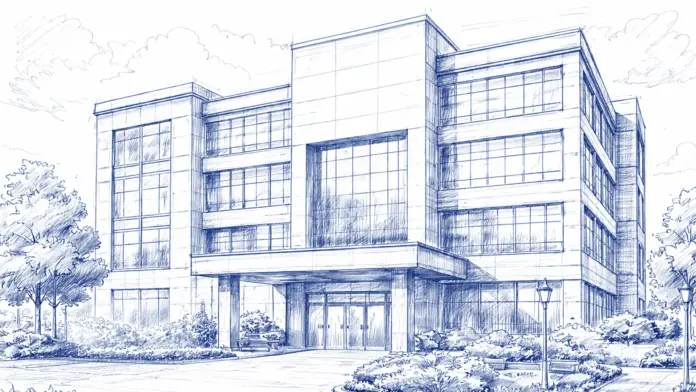
About Imagine Recovery PHP, IOP
Imagine Recovery PHP, IOP is a licensed addiction treatment center in New Orleans, Louisiana offering partial hospitalization and intensive outpatient programs for adults. The facility provides evidence based therapies like cognitive behavioral therapy and dialectical behavior therapy alongside holistic approaches including yoga and meditation.
With a focus on personalized care, Imagine Recovery tailors treatment to each client’s unique needs and supports lasting recovery in a welcoming setting.
Dual Diagnosis Treatment
Imagine Recovery specializes in treating substance use disorders including alcohol and drug addiction, for adults 18 and older. The program also addresses co-occurring mental health conditions through a comprehensive dual diagnosis approach, ensuring both addiction and underlying mental health concerns are treated together.
Clients participate in structured outpatient programming that combines individual and group therapies with holistic practices. Treatment plans are flexible, with lengths of stay based on individual progress to help clients build coping skills and address root causes of addiction in a supportive environment.
Inclusive Programming
Imagine Recovery offers specialized tracks for professionals and executives seeking discreet treatment, as well as an LGBTQ+ affirming environment. The co ed facility integrates recreational activities like art therapy and fitness into the recovery process and promotes overall well being alongside clinical care.
Getting Started
Imagine Recovery is located on Nashville Avenue in New Orleans and serves adults through in person programming, with telehealth services available for remote access. The facility is licensed by the Louisiana Department of Health.
Most major insurance plans are accepted including Aetna and Blue Cross Blue Shield along with self pay and financing options.
Latest Reviews


Thank you for your heartfelt and meaningful words. We are so grateful for you and proud of you! 7 years of sobriety is amazing!
August Boyd is still at Imagine. As our Clinical Director and a clinician who facilitates groups, she continues to do the greatest work with our clients while leading our clinical team so beautifully.
Scott, please stay in touch and be sure to come by and visit us soon!
-Felicia

Rehab Score
 Our Methodology


Location
Accepted Insurance

Other Forms of Payment
Private insurance refers to any kind of healthcare coverage that isn't from the state or federal government. This includes individual and family plans offered by an employer or purchased from the Insurance Marketplace. Every plan will have different requirements and out of pocket costs so be sure to get the full details before you start treatment.
Self-pay involves paying for treatment out of your own pocket. You can use savings or credit, get a personal loan, or receive help from family and friends to fund your treatment. If you don't have insurance or your insurance plan doesn't cover a specific program, self-pay can help ensure you still get the care you need.
Financing your treatment can make treatment more accessible. You'll work with your care provider to set up payment plans, including interest rates and repayment timelines. Financing options vary widely and not all programs offer them, so be sure to get the full details before enrolling in treatment. If you have insurance or other benefits, financing may help you cover your remaining out of pocket expenses.
Addiction Treatments
Levels of Care
A partial hospitalization program (PHP) offers an intensive, short-term rehab option for individuals who don't require 24-hour support. PHP treatment can be an alternative to inpatient hospitalization or a "step-down" option from hospitalization or a residential program. Typically, it requires you to meet a minimum of 6-8 hours a day for an average of 90 days. Services provided in PHP treatment often include relapse prevention strategies, medication management, individual and group therapy, and other behavioral therapy interventions.
Clients engaged in an intensive outpatient program (IOP) participate in multiple treatment sessions weekly. Typical treatment modalities include individual, group, and family counseling, addiction and recovery education, medication assisted treatment (MAT), and evidence-based holistic therapies. Most intensive outpatient rehabs require clients to engage in a minimum of nine and a maximum of 20 treatment hours per week. Many clients enter IOP after stepping down from intensive inpatient care, but some may enroll immediately after completing detox.
Clients enrolled in outpatient rehab typically need less intensive supervision and support than those in inpatient care. Clients may continue to work and attend school while participating in addiction counseling and recovery education during the evening, night, or weekend. Clients also often enter intensive outpatient (IOP) treatment immediately upon exiting residential care, which provides them with high-level step-down support as they reintegrate into their homes and communities.
Telehealth is the use of telecommunications technologies to enable long-distance healthcare. Types of treatment available via telehealth include specialist consultations, drug rehab counseling, mental health disorder treatment, and remote monitoring.
Treatments
Alcoholism - also known as alcohol use disorder (AUD), alcohol dependence, and alcohol addiction - is a chronic condition that describes a form of problem drinking that causes harm to a person's health and relationships. To treat AUD, alcohol rehab in Louisiana is usually necessary. This typically involves three phases: medical detox to safely withdraw from alcohol, rehabilitation through evidence-based therapies, and support for long-term recovery maintenance.
 Opioid Addiction
While each drug rehab in Louisiana offers unique elements, recovery support often follows a similar pattern. Detox is followed by inpatient and/or outpatient care, then aftercare support is provided once the participant completes the initial program.
Specialized substance abuse treatment programs in Louisiana can address addiction and any co-occurring mental health disorders. These programs offer a range of care options, including outpatient, inpatient, and partial hospitalization programs. Expert clinicians utilize evidence-based therapies such as cognitive-behavioral therapy (CBT), dialectical behavior therapy (DBT), and trauma-focused therapy to address substance abuse and promote mental health. Other recovery supports include 12-Step meetings, skills workshops, psychoeducation, and an aftercare plan to enhance your chances of long-term recovery.
Inpatient addiction treatment relies heavily on mental health services that are designed to help simultaneously address both the addiction and co-occurring mental health conditions. Inpatient facilities offer 24-hour access to mental health clinicians and medical or clinical staff. Treatment plans usually include individual and group counseling, addiction and relapse prevention education, and coping skills training. Additional offerings that benefit mental health include family therapy, recreational therapies, yoga, and mindfulness training may be available.
Specialized dual-diagnosis addiction treatment in Louisiana offers integrated treatment for individuals with co-occurring substance use disorders and mental health conditions. Programs include detox, outpatient, inpatient, and partial hospitalization options. Therapies like cognitive behavioral therapy, or dialectical behavioral therapy, mindfulness, and group therapy address the underlying causes of addiction, enhance coping strategies, and promote mental health and well-being. The programs discharge planning and alumni program will help to support long-term recovery by preventing relapse and providing on-going support post-treatment.
Programs
Adult rehab programs include therapies tailored to each client's specific needs, goals, and recovery progress. They are tailored to the specific challenges adult clients may face, including family and work pressures and commitments. From inpatient and residential treatment to various levels of outpatient services, there are many options available. Some facilities also help adults work through co-occurring conditions, like anxiety, that can accompany addiction.
Recovery is most successful when clients feel accepted and validated by their peers and treatment providers. Facilities that offer LGBTQ-inclusive programming are committed to creating a safe space where everyone can grow and recover without fear of judgment or discrimination. They will have dedicated policies in place to create a safe and supportive environment that fosters free expression.
Clinical Services
If you undergo cognitive behavioral therapy in Louisiana, you may engage in role playing, face your fears, and learn to calm your mind and body. These techniques are designed to help you recognize unhealthy patterns of thinking and to learn healthy ways of coping with challenges.
When you participate in dialectical behavior therapy, you'll work on recognizing distorted thinking patterns that are guiding your emotions. You'll learn how to change these patterns to eliminate unproductive reactions. This involves developing better coping mechanisms to handle stressful situations.
Amenities
-
 Gym
Gym -
 Metropolitan Area
 -
 Yoga Studio
Accreditations

State Licenses are permits issued by government agencies that allow rehab organizations to conduct business legally within a certain geographical area. Typically, the kind of program a rehab facility offers, along with its physical location, determines which licenses are required to operate legally.
State License: Louisiana
Rehab.com regularly reviews this listing for accuracy but changes may occur between updates. For the most up-to-date information, please contact Imagine Recovery PHP, IOP.
Contact Information


728 Nashville Ave, New Orleans, LA 70115
Sponsored Helpline

