






























































































An amazing place, one of the fastest to get in, amazing counselors.
About BHG Providence Treatment Center
The center follows a holistic recovery model that combines medications with other forms of therapy. Their addiction counselors use cognitive behavioral therapy in individual, group and family contexts to help patients deal with stressors and triggers without substance use. This holistic perspective incorporates the psychological dimension of addiction and guides individuals toward sustainable recovery.
BHG Providence also offers group therapy sessions that allow patients to bond with each other, share experiences and support one another. Family counseling is also provided to address the broken family dynamic. Family members will be given priority as they play an important part in the recovery journey. Family counseling is directed at building up trust and communication among family members.
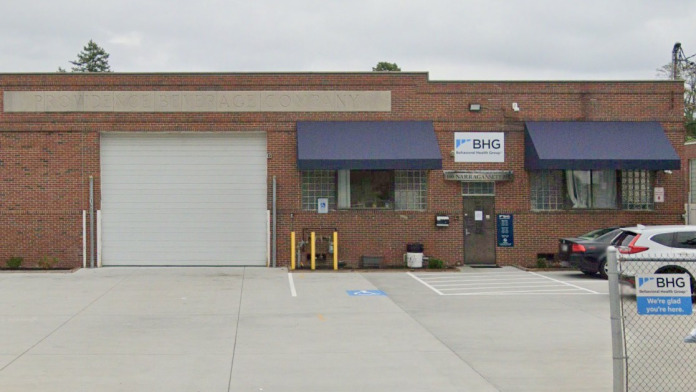
I like that this facility is located in an urban environment that provides easy access for residents in Providence and the surrounding areas. The center is designed to offer a safe and supportive space that encourages recovery.
The treatment center accepts Medicaid, Medicare, military insurance, private health insurance and state financed health insurance plans other than Medicaid. They also provide self pay options.
The center has garnered positive feedback from patients who have praised the staff for their professionalism and compassion. Some emphasized the positive atmosphere, saying that the staff there truly care about your recovery and well being. Others have mentioned that they felt understood and supported throughout their treatment journey.
Latest Reviews
All of the staff that work here, have been amazing not only just as their job as human beings that genuinely care and I believe the highest amount of patient's success stories I will be forever grateful!
Response from the owner3 weeks ago
We’re so thankful for your support – thank you!
I have to say Anthony is the glue that holds that place together, he is great ! He is the most helpful man i ever met . He goes goes the extra mile for every one and runs the that place like a clock Ed .D
I have to say, I'm pretty happy with this place. Of course, I don't have anything else to compare it to, but it seems pretty good to me. The wait times are usually not too bad either.

Rehab Score
 Our Methodology
Scoring is assigned by a proprietary system which helps surface key metrics that determine quality. The 10-point scale factors in categories such as operations, customer satisfaction, and trust metrics. Read Full Methodology

8.2 / 10
Gallery
Other Forms of Payment
Private insurance refers to any kind of healthcare coverage that isn't from the state or federal government. This includes individual and family plans offered by an employer or purchased from the Insurance Marketplace. Every plan will have different requirements and out of pocket costs so be sure to get the full details before you start treatment.
Self-pay involves paying for treatment out of your own pocket. You can use savings or credit, get a personal loan, or receive help from family and friends to fund your treatment. If you don't have insurance or your insurance plan doesn't cover a specific program, self-pay can help ensure you still get the care you need.
Financial aid can take many forms. Centers may have grants or scholarships available to clients who meet eligibility requirements. Programs that receive SAMHSA grants may have financial aid available for those who need treatment as well. Grants and scholarships can help you pai for treatment without having to repay.
Medicare is a federal program that provides health insurance for those 65 and older. It also serves people under 65 with chronic and disabling health challenges. To use Medicare for addiction treatment you need to find a program that accepts Medicare and is in network with your plan. Out of pocket costs and preauthorization requirements vary, so always check with your provider.
Military members, veterans, and eligible dependents have access to specific insurance programs that help them get the care they need. TRICARE and VA insurance can help you access low cost or no cost addiction and mental health treatment. Programs that accept military insurance often have targeted treatment focused on the unique challenges military members, veterans, and their families face.
Medicaid is a state based program that helps lower-income individuals and families pay for healthcare. Medicaid covers addiction treatment so those enrolled can use their coverage to pay for rehab. When a program accepts Medicaid the client often pays very little or nothing out of their own pocket.
Addiction Treatments
Levels of Care
Outpatient Programs (OP) are for those seeking mental rehab or drug rehab, but who also stay at home every night. The main difference between outpatient treatment (OP) and intensive outpatient treatment (IOP) lies in the amount of hours the patient spends at the facility. Most of the time an outpatient program is designed for someone who has completed an inpatient stay and is looking to continue their growth in recovery. Outpatient is not meant to be the starting point, it is commonly referred to as aftercare.
Intensive outpatient programs (IOP) support clients' long-term sobriety and their successful reintegration into the community through high-level services that evolve with clients' changing needs. The intensity and frequency of treatment decrease as clients stabilize, but most IOP programs involve between nine and 20 hours of treatment weekly. Intensive outpatient rehabs specialize in an array of services, including psychotherapy, medication assisted treatment (MAT), addiction and recovery education, and holistic care, such as massage and biofeedback.
Rehab aftercare programs provide a complete continuum of care for clients who have successfully completed higher level treatment programs but who may still be enrolled in formal outpatient treatments. These programs are also designed for clients who have been discharged from outpatient care. Drug rehab aftercare facilitates clients' long-term sobriety through a full suite of customized services aligned with the client's evolving needs. These services may include peer coaching, career counseling, and 12 step program induction, among others.
Drug and alcohol addiction often takes a heavy toll on one's body. Over time, a physical dependence can develop, meaning the body physiologically needs the substance to function. Detox is the process of removing drugs and/or alcohol from the body, a process that can be lethal if mismanaged. Medical detox is done by licensed medical professionals who monitor vital signs and keep you safe, healthy, and as comfortable as possible as you go through detox and withdrawal.
Treatments
The goal of treatment for alcoholism is abstinence. Those with poor social support, poor motivation, or psychiatric disorders tend to relapse within a few years of treatment. For these people, success is measured by longer periods of abstinence, reduced use of alcohol, better health, and improved social functioning. Recovery and Maintenance are usually based on 12 step programs and AA meetings.
During drug rehab in Rhode Island, you'll participate in a variety of therapeutic interventions designed to help you break free from addiction. Common methods include cognitive behavioral therapy, music and art therapy, 12-step support, and nutrition/exercise.
Many of those suffering from addiction also suffer from mental or emotional illnesses like schizophrenia, bipolar disorder, depression, or anxiety disorders. Rehab and other substance abuse facilities treating those with a dual diagnosis or co-occurring disorder administer psychiatric treatment to address the person's mental health issue in addition to drug and alcohol rehabilitation.
Opioid rehabs specialize in supporting those recovering from opioid addiction. They treat those suffering from addiction to illegal opioids like heroin, as well as prescription drugs like oxycodone. These centers typically combine both physical as well as mental and emotional support to help stop addiction. Physical support often includes medical detox and subsequent medical support (including medication), and mental support includes in-depth therapy to address the underlying causes of addiction.
Substance rehabs focus on helping individuals recover from substance abuse, including alcohol and drug addiction (both illegal and prescription drugs). They often include the opportunity to engage in both individual as well as group therapy.
Programs
Adult rehab programs include therapies tailored to each client's specific needs, goals, and recovery progress. They are tailored to the specific challenges adult clients may face, including family and work pressures and commitments. From inpatient and residential treatment to various levels of outpatient services, there are many options available. Some facilities also help adults work through co-occurring conditions, like anxiety, that can accompany addiction.
Young adulthood can be an exciting, yet difficult, time of transition. Individuals in their late teens to mid-20s face unique stressors related to school, jobs, families, and social circles, which can lead to a rise in substance use. Rehab centers with dedicated young adult programs will include activities and amenities that cater to this age group, with an emphasis on specialized counseling, peer socialization, and ongoing aftercare.
Recovery is most successful when clients feel accepted and validated by their peers and treatment providers. Facilities that offer LGBTQ-inclusive programming are committed to creating a safe space where everyone can grow and recover without fear of judgment or discrimination. They will have dedicated policies in place to create a safe and supportive environment that fosters free expression.
Serving in the military is both mentally and physically challenging, and can result in trauma that persists even after combat ends. Military programs are tailored to the specific and often complex needs of active duty personnel, veterans, and military families. Clients often access these programs through the U.S. Department of Veterans Affairs (VA).
Clinical Services
During cognitive behavioral therapy in Rhode Island, your therapist helps you identify negative thought patterns and explore healthier ways to think and act. You'll learn how to develop coping strategies and change your behaviors.
Group therapy is any therapeutic work that happens in a group (not one-on-one). There are a number of different group therapy modalities, including support groups, experiential therapy, psycho-education, and more. Group therapy involves treatment as well as processing interaction between group members.
Individual therapy for drug addiction is a collaborative process between yourself and your therapist. During your sessions, you address personnel experiences and emotional struggles head on. This helps your therapist gain insight into your addiction triggers and develop coping skills and a road map for sustained recovery.
During motivational interviewing, you and your therapist will collaborate to work through four key pillars of this treatment: engaging, focusing, evoking, and planning. This process will allow you to share your perspective, decide on the purpose of treatment, explore your ideas and motivations for change, and plan how you can achieve any changes you want to make.
Trauma therapy addresses traumatic incidents from a client's past that are likely affecting their present-day experience. Trauma is often one of the primary triggers and potential causes of addiction, and can stem from child sexual abuse, domestic violence, having a parent with a mental illness, losing one or both parents at a young age, teenage or adult sexual assault, or any number of other factors. The purpose of trauma therapy is to allow a patient to process trauma and move through and past it, with the help of trained and compassionate mental health professionals.
Couples who are in couples therapy meet with a licensed counselor weekly. The therapist mediates while each partner voices their concerns. The couple then receives feedback and insights on how to work through the challenges they're facing in the relationship.
During family therapy sessions, each member has a safe space to openly express their feelings about addiction and the challenges it has created within the family. It is crucial to rebuild trust, strength, and relationships that were affected by addiction. This helps the family to support and empower their loved one's recovery.
Nicotine replacement therapy in Rhode Island allows you to slowly wean yourself off cigarettes. You can gradually decrease the amount of nicotine you get each day to work toward a goal of zero intake. Options include patches, gum, and lozenges.
Amenities
-
 Private Setting
Staff & Accreditations
Staff

Jay Higham
CEO
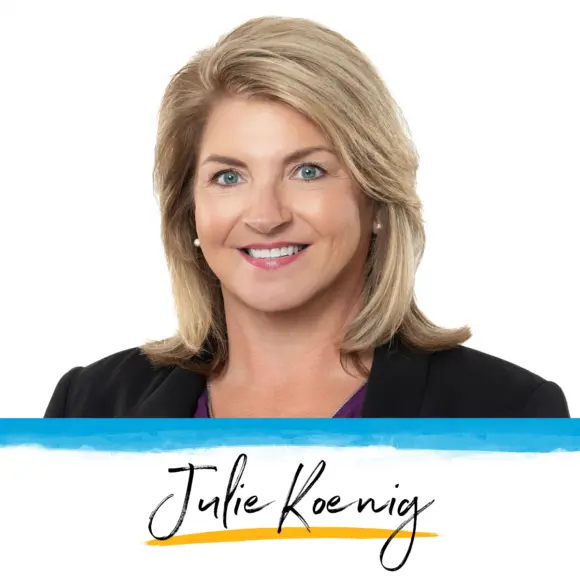
Julie Koenig
COO
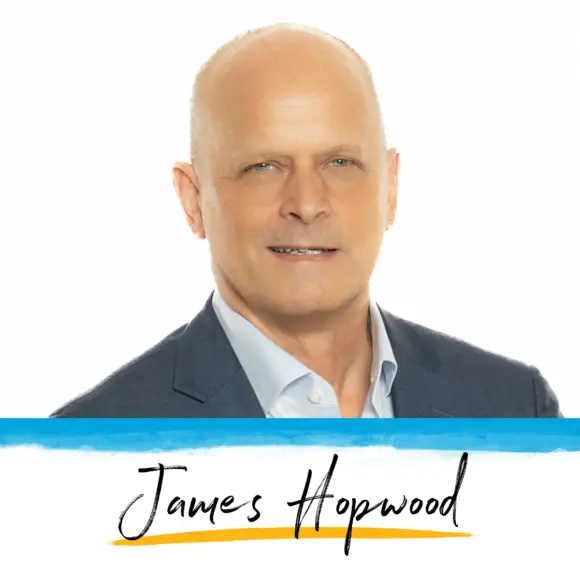
James Hopwood
CFO
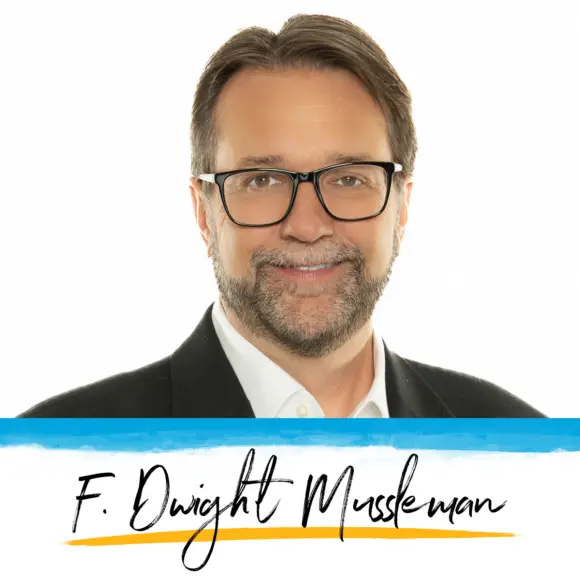
F. Dwight Mussleman
Chief Development Officer
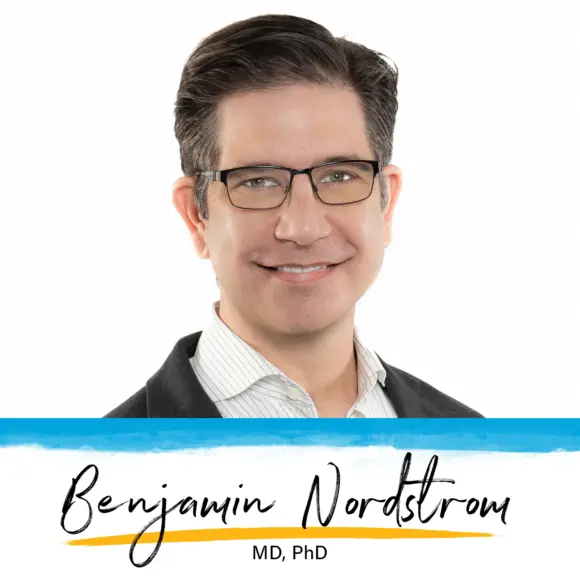
Dr. Benjamin Nordstrom
Chief Medical Officer
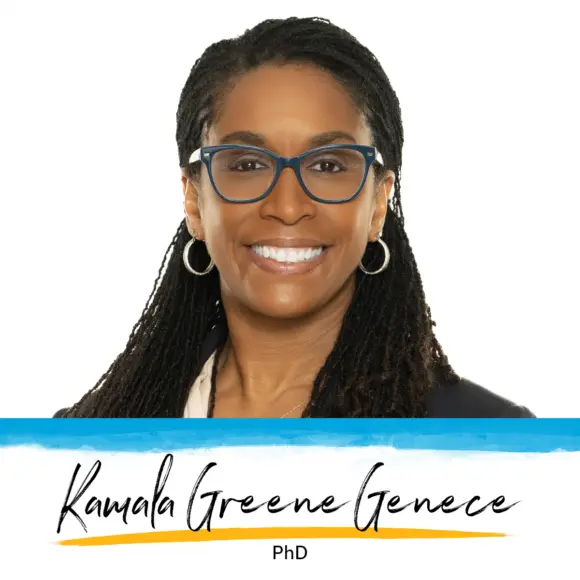
Dr. Kamala Greene Génecé
Chief Clinical Officer
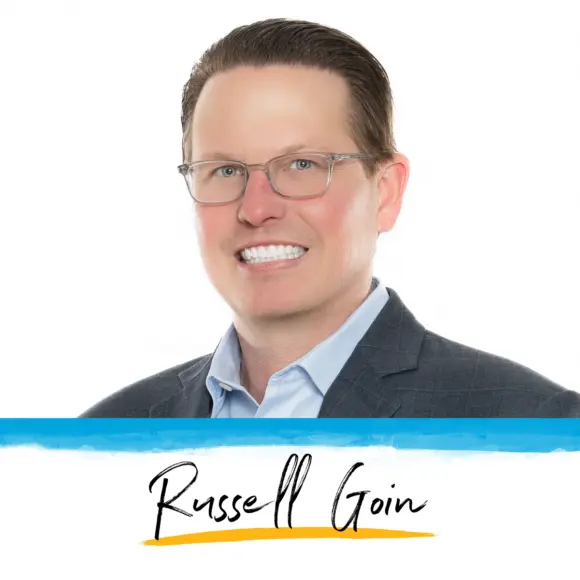
Russell Goin
Chief People Officer
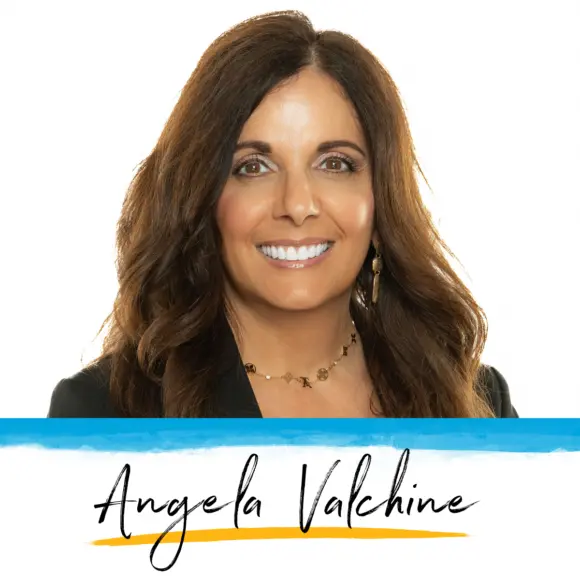
Angela Valchine
Sr. VP, Sales & Marketing
Accreditations

The Substance Abuse and Mental Health Services Administration (SAMHSA) is a branch of the U.S. Department of Health and Human Services. Established in 1992 by congress, SAMHSA's mission is to reduce the impact of substance abuse and mental illness on American's communities.
SAMHSA Listed: Yes

The Commission on Accreditation of Rehabilitation Facilities (CARF) is a non-profit organization that specifically accredits rehab organizations. Founded in 1966, CARF's, mission is to help service providers like rehab facilities maintain high standards of care.
CARF Accreditation: Yes

The Joint Commission, formerly known as JCAHO, is a nonprofit organization that accredits rehab organizations and programs. Founded in 1951, the Joint Commision's mission is to improve the quality of patient care and demonstrating the quality of patient care.
Joint Commission Accreditation: Yes
Rehab.com regularly reviews this listing for accuracy but changes may occur between updates. For the most up-to-date information, please contact BHG Providence Treatment Center.
Contact Information

160 Narragansett Avenue
Providence, RI 02907
Get Help Now - 401-315-8539
Sponsored Helpline
Sponsored Helpline


