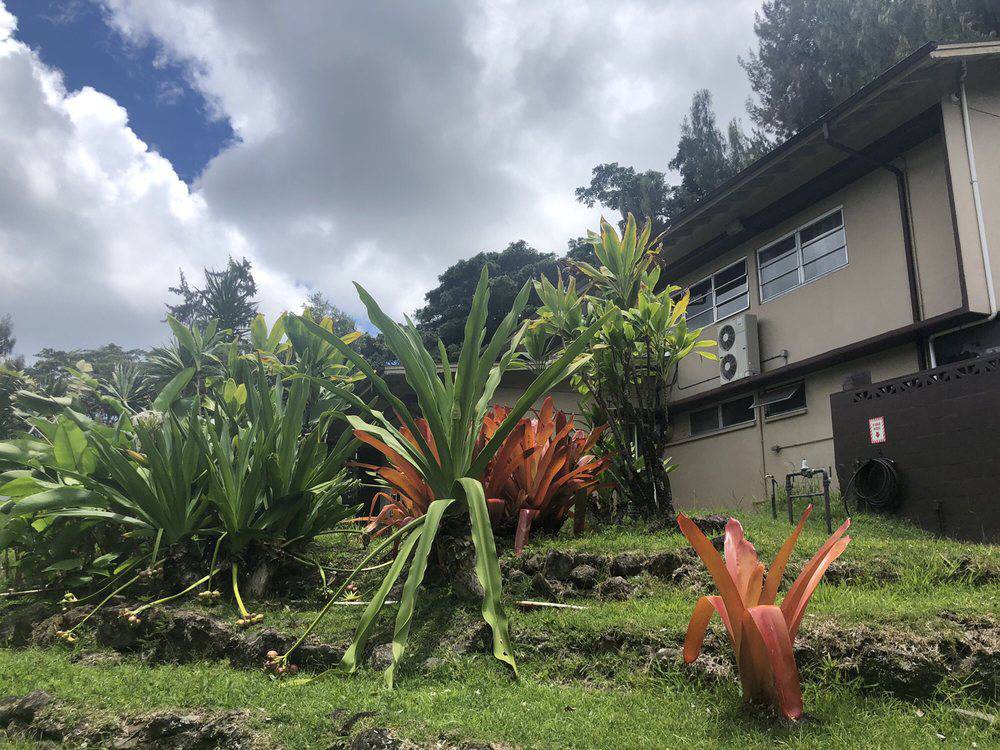
This medical department needs to improve their services. Professionalism begins on the front desk (sometimes they eat while helping the client, misplace documents)
About Kokua Kalihi Valley – Comprehensive Family Services
Patients at Kokua Kalihi Valley are 93% Asian and Pacific Islander, and nearly half are better served in a language other than English.
As a federally qualified health center, it serves the Kalihi community and is also an addiction treatment center in Honolulu. It also has a 100-acre nature preserve that it uses for healing.
Clinical Staff in Kalihi
Psychiatrists and psychologists at Kokua Kalihi Valley in Honolulu work with the medical team, as do the center’s licensed clinical social workers.
When mental health clinicians work with a medical team, substance use can be considered with the rest of a person’s health.
Substance Use Services
Outpatient rehab at the center covers intake and screening, plus brief intervention, a short conversation about substance use.
Referral to a treatment program is part of that offering, including for opioid addiction and prescription drug problems.
The Behavioral Health Department also offers substance use treatment, medication management and home visits.
The center accepts MedQuest, and staff can help with an insurance application when one is needed. People without insurance can use a sliding fee scale, and the center sees patients regardless of whether they can pay.
Rehab Score
Gallery
Other Forms of Payment
Self-pay involves paying for treatment out of your own pocket. You can use savings or credit, get a personal loan, or receive help from family and friends to fund your treatment. If you don't have insurance or your insurance plan doesn't cover a specific program, self-pay can help ensure you still get the care you need.
Sliding scale payments are based on a client's income and family size. The goal is to make treatment affordable to everyone. By taking these factors into account, addiction recovery care providers help ensure that your treatment does not become a financial burden to you or your family, eliminating one barrier to care.
Addiction Treatments
Levels of Care
Care here includes clinic intake, screening, a brief intervention and referral to a substance use treatment program, including prescription drug and opioid cases.
Completing a drug or alcohol rehab program shouldn't spell the end of substance abuse treatment. Aftercare involves making a sustainable plan for recovery, including ongoing support. This can include sober living arrangements like halfway houses, career counseling, and setting a patient up with community programs like Alcoholics Anonymous (AA) or Narcotics Anonymous (NA).
Telehealth in Hawaii is the use of communications technologies to deliver healthcare services from a distance. This may include primary medical care, mental health services, and substance use disorder treatment. Consult with your health care provider to determine if this option is suitable for your needs.

Treatments
The goal of treatment for alcoholism is abstinence. Those with poor social support, poor motivation, or psychiatric disorders tend to relapse within a few years of treatment. For these people, success is measured by longer periods of abstinence, reduced use of alcohol, better health, and improved social functioning. Recovery and Maintenance are usually based on 12 step programs and AA meetings.
Drug rehab in Hawaii is for individuals suffering from substance use disorders. Treatment addresses the many issues involved with addiction, typically through a combination of medical and psychotherapy treatments.
The Behavioral Health Department takes referrals for substance use alongside depression, anxiety and other mental health concerns, and the clinic's services include psychiatric evaluation, counseling, case management and home visits.
Opioid rehabs specialize in supporting those recovering from opioid addiction. They treat those suffering from addiction to illegal opioids like heroin, as well as prescription drugs like oxycodone. These centers typically combine both physical as well as mental and emotional support to help stop addiction. Physical support often includes medical detox and subsequent medical support (including medication), and mental support includes in-depth therapy to address the underlying causes of addiction.
Programs
Adult rehab programs include therapies tailored to each client's specific needs, goals, and recovery progress. They are tailored to the specific challenges adult clients may face, including family and work pressures and commitments. From inpatient and residential treatment to various levels of outpatient services, there are many options available. Some facilities also help adults work through co-occurring conditions, like anxiety, that can accompany addiction.
Young adulthood can be an exciting, yet difficult, time of transition. Individuals in their late teens to mid-20s face unique stressors related to school, jobs, families, and social circles, which can lead to a rise in substance use. Rehab centers with dedicated young adult programs will include activities and amenities that cater to this age group, with an emphasis on specialized counseling, peer socialization, and ongoing aftercare.
Clinical Services
Couples therapy is offered in a counseling service that also runs family and group sessions, so a partner can come in with you.
Family sessions run here as well, and relatives can come in together rather than separately.
Group therapy is any therapeutic work that happens in a group (not one-on-one). There are a number of different group therapy modalities, including support groups, experiential therapy, psycho-education, and more. Group therapy involves treatment as well as processing interaction between group members.
In individual therapy, a patient meets one-on-one with a trained psychologist or counselor. Therapy is a pivotal part of effective substance abuse treatment, as it often covers root causes of addiction, including challenges faced by the patient in their social, family, and work/school life.
Staff
Dr. David Derauf
CEO
Yuet Mui Kong
COO
Chan Hou Lei
CFO
Dr. Laura DeVilbiss
Medical Director
Dr. Mya Moe Hla
Behavioral Health Director
Rona Mangayayam
Youth Services Director
Megan Inada
Research Coordinator
Rehab.com regularly reviews this listing for accuracy but changes may occur between updates. For the most up-to-date information, please contact Kokua Kalihi Valley – Comprehensive Family Services.
Contact Information
2239 North School Street
Honolulu, HI 96819