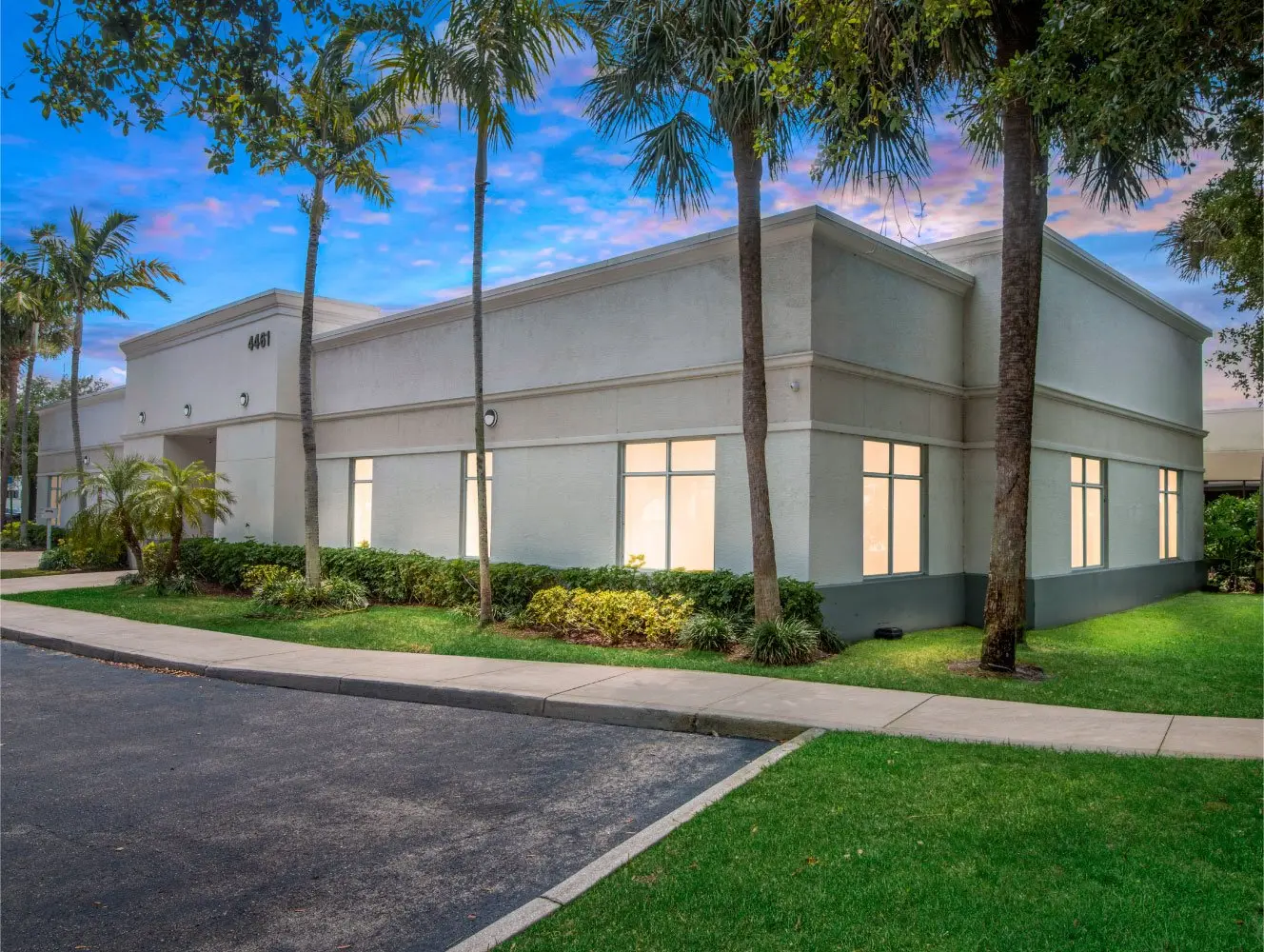
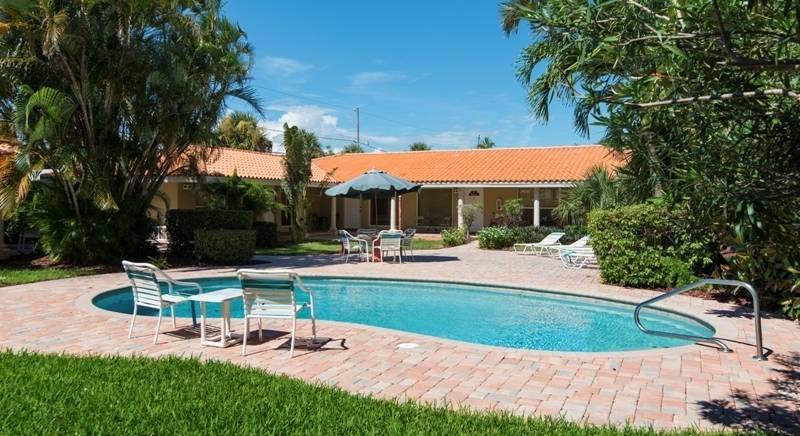
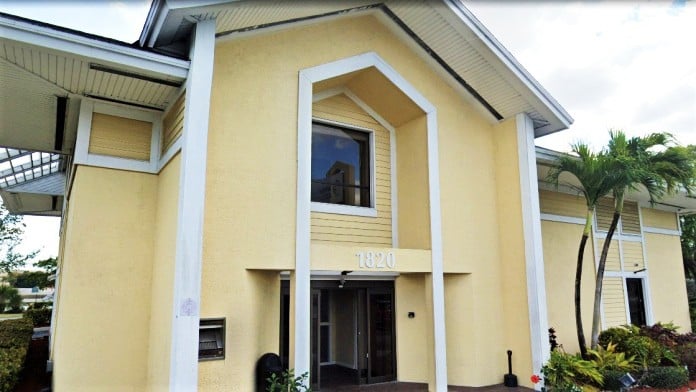
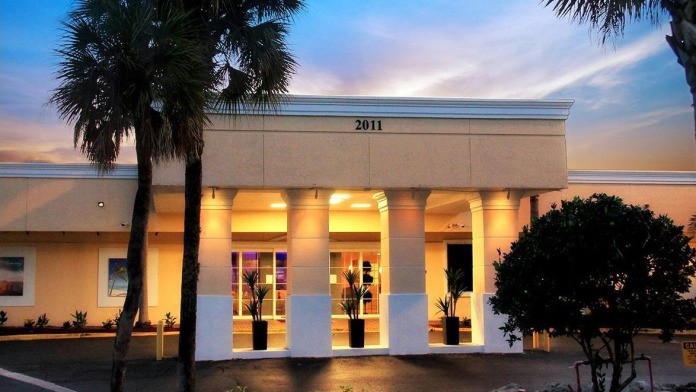
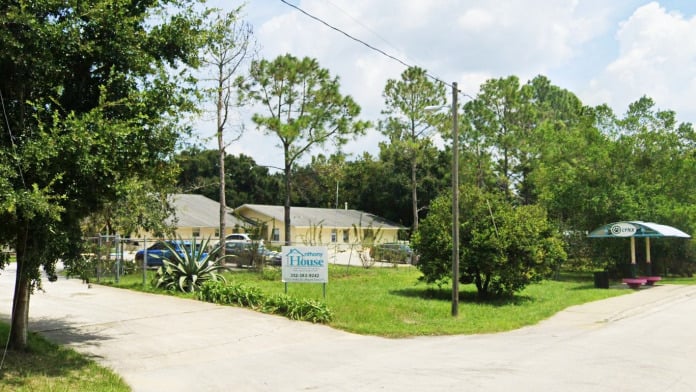
Allowing children to live in the facility alongside their moms in recovery is part of what makes this program attractive. It enables you to focus on recovery without the added stress of separation from your children. It also enhances your emotional wellbeing, fosters stronger family bonds and creates a stable space for you and your child during challenging times. The facility provides safe and stable living arrangements with personalized treatment to help you overcome substance misuse.
They may offer counseling and group therapy, educational classes and case management services. Emphasis is on personal responsibility, independent living and maintaining sobriety. Group therapy facilitates peer interaction and community support in a nonjudgmental setting. Through sharing experiences with peers in recovery you can learn new coping mechanisms. You may even gain important interpersonal skills like effective communication, solving problems and managing stress or anger. These skills can enhance relationships and improve your overall wellbeing.
The program incorporates life skills training. This may include decision making, self care, financial literacy and time management. This empowers you to manage daily challenges and engage effectively in the community thereby preventing future substance misuse and homelessness. They operate from the standpoint that home is where the heart is and strive to provide a home where residents can heal and grow.
I was there 20 year ago... Anthony house help me a lot... they help homeless people to help themselves.... is not a hotel for you to vacation...
People who give bad review is because they don't appreciate the help...
Just follow the rules.. be responsible and you will succeed..... Anthony house is never had the chance to say thank you....
This place offers a safe environment off the streets and off drugs. October 6th I decided to get out from living in a tent for 5+ years and with an addiction that was fully running my life. Lifestream detox on Tally road saved my life. Not only did I have a safe place to detox but after three days they sent me to the hospital where I was out into ICU with sepsis and a spider bite with mersa along with my blood pressure tremendously low I kept passing out. I got hooked up with the Anthony house recovery place before I even left the hospital. A week later I returned to the detox to get my things and to discharge myself from lifestream. The Anthony house said bc it was on a Friday there was no way of transporting me to them so the only other option is have was the
street and back in the environment with the drugs. I was able to talk with two the ladies who worked there and the company did pay the ride fare for Lyft to the Anthony house so I could start my recovery journey. I completed the residential recovery program and all their requirements. I started getting set up with GED classes they have there along with my case plan classes I was already required to take. Ex. Parenting, healthy relationships, co dependency, grievance, 12 steps, finance, and they do take you to NA meetings. counseling sessions with a great great counselor Ms Jamie. I've never had a great counselor I was comfortable enough to talk to till I met her. She goes above and beyond for her consumers/clients. There's other classes they provide. They do have a on site daycare for young kids. One thing I did struggle with was they didn't allow kids older then 13 years old. My kids are teens under 18. I started from my rock bottom in a tent out in the street with a huge drug addiction and 8 months later I'm following my dreams. I'm 9 months clean and sober with a career, a home/apartment, my family back in my life, my sanity and my life I was able to get all of it back with making that one step. I highly recommend this place. It's your recovery and sobriety and if you want it as badly as I did you have to consistently fight for your life and fight your self obsession to become a better version then what you were. #wedotecover #justfortoday
Scoring is assigned by a proprietary system which helps surface key metrics that determine quality. The 10-point scale factors in categories such as operations, customer satisfaction, and trust metrics. Read Full Methodology
7 / 10
Gallery
Other Forms of Payment
Self-pay involves paying for treatment out of your own pocket. You can use savings or credit, get a personal loan, or receive help from family and friends to fund your treatment. If you don't have insurance or your insurance plan doesn't cover a specific program, self-pay can help ensure you still get the care you need.
Sliding scale payments are based on a client's income and family size. The goal is to make treatment affordable to everyone. By taking these factors into account, addiction recovery care providers help ensure that your treatment does not become a financial burden to you or your family, eliminating one barrier to care.
Military members, veterans, and eligible dependents have access to specific insurance programs that help them get the care they need. TRICARE and VA insurance can help you access low cost or no cost addiction and mental health treatment. Programs that accept military insurance often have targeted treatment focused on the unique challenges military members, veterans, and their families face.
Medicaid is a state based program that helps lower-income individuals and families pay for healthcare. Medicaid covers addiction treatment so those enrolled can use their coverage to pay for rehab. When a program accepts Medicaid the client often pays very little or nothing out of their own pocket.
Addiction Treatments
Levels of Care
Outpatient programs are for those seeking mental rehab or drug rehab, but who also stay at home every night. The main difference between outpatient treatment (OP) and intensive outpatient treatment (IOP) lies in the amount of hours the patient spends at the facility. Most of the time an outpatient program is designed for someone who has completed an inpatient stay and is looking to continue their growth in recovery. Outpatient is not meant to be the starting point, it is commonly referred to as aftercare. Outpatient programs offer individual, group and family counseling, as well as access to a psychiatrist for evaluation and medication treatment if needed.
Residential treatment programs are those that offer housing and meals in addition to substance abuse treatment. Rehab facilities that offer residential treatment allow patients to focus solely on recovery, in an environment totally separate from their lives. Some rehab centers specialize in short-term residential treatment (a few days to a week or two), while others solely provide treatment on a long-term basis (several weeks to months). Some offer both, and tailor treatment to the patient's individual requirements.
Rehab aftercare programs are a collection of highly individualized services designed to promote long-term recovery. These services evolve as your needs change. Case managers and recovery teams typically begin formulating the rehab aftercare service plan early in the recovery process to facilitate your reintegration back into the home, workplace, and community.
12-step programs are addiction recovery models based on Alcoholics Anonymous (AA). A number of substance abuse programs (including some drug and alcohol rehab centers) use the 12 steps as a basis for treatment. Beginning steps involve admitting powerlessness over the addiction and creating a spiritual basis for recovery. Middle steps including making direct amends to those who've been hurt by the addiction, and the final step is to assist others in addiction recovery in the same way. 12-Step offshoots including Narcotics Anonymous (NA), Cocaine Anonymous (CA), Dual Recovery Anonymous (DRA), Sex and Love Addicts Anonymous (SLAA) and Gamblers Anonymous (GA).
Treatments
The goal of treatment for alcoholism is abstinence. Those with poor social support, poor motivation, or psychiatric disorders tend to relapse within a few years of treatment. For these people, success is measured by longer periods of abstinence, reduced use of alcohol, better health, and improved social functioning. Recovery and Maintenance are usually based on 12 step programs and AA meetings.
Drug rehab in Florida provides quality treatment to help individuals overcome dependency related to a wide range of addictive substances. Programs address both the physical and mental aspects of addiction in order to help you make a full recovery.
Many of those suffering from addiction also suffer from mental or emotional illnesses like schizophrenia, bipolar disorder, depression, or anxiety disorders. Rehab and other substance abuse facilities treating those with a dual diagnosis or co-occurring disorder administer psychiatric treatment to address the person's mental health issue in addition to drug and alcohol rehabilitation.
A combined mental health and substance abuse rehab has the staff and resources available to handle individuals with both mental health and substance abuse issues. It can be challenging to determine where a specific symptom stems from (a mental health issue or an issue related to substance abuse), so mental health and substance abuse professionals are helpful in detangling symptoms and keeping treatment on track.
Opioid rehabs specialize in supporting those recovering from opioid addiction. They treat those suffering from addiction to illegal opioids like heroin, as well as prescription drugs like oxycodone. These centers typically combine both physical as well as mental and emotional support to help stop addiction. Physical support often includes medical detox and subsequent medical support (including medication), and mental support includes in-depth therapy to address the underlying causes of addiction.
Programs
Adult rehab programs include therapies tailored to each client's specific needs, goals, and recovery progress. They are tailored to the specific challenges adult clients may face, including family and work pressures and commitments. From inpatient and residential treatment to various levels of outpatient services, there are many options available. Some facilities also help adults work through co-occurring conditions, like anxiety, that can accompany addiction.
Young adulthood can be an exciting, yet difficult, time of transition. Individuals in their late teens to mid-20s face unique stressors related to school, jobs, families, and social circles, which can lead to a rise in substance use. Rehab centers with dedicated young adult programs will include activities and amenities that cater to this age group, with an emphasis on specialized counseling, peer socialization, and ongoing aftercare.
Recovery is most successful when clients feel accepted and validated by their peers and treatment providers. Facilities that offer LGBTQ-inclusive programming are committed to creating a safe space where everyone can grow and recover without fear of judgment or discrimination. They will have dedicated policies in place to create a safe and supportive environment that fosters free expression.
Serving in the military is both mentally and physically challenging, and can result in trauma that persists even after combat ends. Military programs are tailored to the specific and often complex needs of active duty personnel, veterans, and military families. Clients often access these programs through the U.S. Department of Veterans Affairs (VA).
Clinical Services
Cognitive Behavioral Therapy (CBT) is a therapy modality that focuses on the relationship between one's thoughts, feelings, and behaviors. It is used to establish and allow for healthy responses to thoughts and feelings (instead of unhealthy responses, like using drugs or alcohol). CBT has been proven effective for recovering addicts of all kinds, and is used to strengthen a patient's own self-awareness and ability to self-regulate. CBT allows individuals to monitor their own emotional state, become more adept at communicating with others, and manage stress without needing to engage in substance abuse.
Group therapy is any therapeutic work that happens in a group (not one-on-one). There are a number of different group therapy modalities, including support groups, experiential therapy, psycho-education, and more. Group therapy involves treatment as well as processing interaction between group members.
In individual therapy, a patient meets one-on-one with a trained psychologist or counselor. Therapy is a pivotal part of effective substance abuse treatment, as it often covers root causes of addiction, including challenges faced by the patient in their social, family, and work/school life.
Trauma therapy addresses traumatic incidents from a client's past that are likely affecting their present-day experience. Trauma is often one of the primary triggers and potential causes of addiction, and can stem from child sexual abuse, domestic violence, having a parent with a mental illness, losing one or both parents at a young age, teenage or adult sexual assault, or any number of other factors. The purpose of trauma therapy is to allow a patient to process trauma and move through and past it, with the help of trained and compassionate mental health professionals.
Whether a marriage or other committed relationship, an intimate partnership is one of the most important aspects of a person's life. Drug and alcohol addiction affects both members of a couple in deep and meaningful ways, as does rehab and recovery. Couples therapy and other couples-focused treatment programs are significant parts of exploring triggers of addiction, as well as learning how to build healthy patterns to support ongoing sobriety.
Research clearly demonstrates that recovery is far more successful and sustainable when loved ones like family members participate in rehab and substance abuse treatment. Genetic factors may be at play when it comes to drug and alcohol addiction, as well as mental health issues. Family dynamics often play a critical role in addiction triggers, and if properly educated, family members can be a strong source of support when it comes to rehabilitation. LifeStream provides education to families and significant others about mental illness and coping strategies.
Life skills trainings involve all the skills a person must have in order to function successfully in the world. These include time management, career guidance, money management, and effective communication. Truly successful addiction recovery is based on the ability to not only live substance-free, but to thrive. Life skills teaches the practical necessities of functioning in society, which sets clients up for success in life, and therefore sobriety.
Nutrition therapy, aka medical nutrition therapy (MNT), is a way of treating physical, emotional, and medical conditions through diet. Specific dietary plans are designed by professional nutritionists or registered dietitians, and patients follow them in order to positively affect their physical and mental health.
Recreational therapy (aka therapeutic recreation) uses creative and fun activities to help with addiction recovery. Recreational therapists lead patients in entertaining and engaging activities like sports or games; art (drawing, painting, sculpture); drama, music, and dance; and/or community outings (field trips) to improve patients' physical, social, and emotional well-being.
Your mind, body, and emotions interact in complex ways. Experiential therapy addresses all three of these aspects. Interactive and creative activities provide physical sensations and evoke emotional responses. These offer insight into how you interact with the world and any negative patterns you need to change.
One benefit of nicotine replacement therapy (NRT) in Florida is variety. NRT comes in multiple forms that you can use in different ways. This allows you to choose the form that works best with your needs and lifestyle. Your options include gum, patches, inhalers, and prescription medication.
Amenities
Residential Setting
Private Setting
Private Transportation
Staff & Accreditations
Staff
Rick Hankey
President & CEO
Timothy Morris
Chairman, BOD
Paul M. Johns
Vice Chairman, BOD
Accreditations
The Commission on Accreditation of Rehabilitation Facilities (CARF) is a non-profit organization that specifically accredits rehab organizations. Founded in 1966, CARF's, mission is to help service providers like rehab facilities maintain high standards of care.
Rehab.com regularly reviews this listing for accuracy but changes may occur between updates. For the most up-to-date information, please contact Anthony House.
I was there 20 year ago... Anthony house help me a lot... they help homeless people to help themselves.... is not a hotel for you to vacation...
People who give bad review is because they don't appreciate the help...
Just follow the rules.. be responsible and you will s ...
Read More
The longer I deal with this place it is starting to remind me of some sort of cult. They completely isolate you from society and work hand in hand with DCF. Our family has 2 emotionally scarred members in this facility and one was given a medication that came back positive for oxycodone. The other they apparently are going to medicate because she was diagnosed ADHD. They are over medicating in my opinion and I would say RUN as far away from this place as possible!!!! By the way there is a fence with a locked gate similar to a prison. If they are there to help then why is there such security when no crime has been committed. They threaten you with losing your child if you don't do as they want. To an emotionally unstable woman that sounds to me if the fear of God is being put into her. All signs in my opinion read a cult. This place needs to be looked into immediately!!! I only gave one star because it is the only way to post my opinion of this facility. Only 3.7 stars to begin with,hmmmmm
danielle murphy
1 year ago
5
This place offers a safe environment off the streets and off drugs. October 6th I decided to get out from living in a tent for 5+ years and with an addiction that was fully running my life. Lifestream detox on Tally road saved my life. Not only did I have a safe place to detox but after three days they sent me to the hospital where I was out into ICU with sepsis and a spider bite with mersa along with my blood pressure tremendously low I kept passing out. I got hooked up with the Anthony house recovery place before I even left the hospital. A week later I returned to the detox to get my things and to discharge myself from lifestream. The Anthony house said bc it was on a Friday there was no way of transporting me to them so the only other option is have was the
street and back in the environment with the drugs. I was able to talk with two the ladies who worked there and the company did pay the ride fare for Lyft to the Anthony house so I could start my recovery journey. I completed the residential recovery program and all their requirements. I started getting set up with GED classes they have there along with my case plan classes I was already required to take. Ex. Parenting, healthy relationships, co dependency, grievance, 12 steps, finance, and they do take you to NA meetings. counseling sessions with a great great counselor Ms Jamie. I've never had a great counselor I was comfortable enough to talk to till I met her. She goes above and beyond for her consumers/clients. There's other classes they provide. They do have a on site daycare for young kids. One thing I did struggle with was they didn't allow kids older then 13 years old. My kids are teens under 18. I started from my rock bottom in a tent out in the street with a huge drug addiction and 8 months later I'm following my dreams. I'm 9 months clean and sober with a career, a home/apartment, my family back in my life, my sanity and my life I was able to get all of it back with making that one step. I highly recommend this place. It's your recovery and sobriety and if you want it as badly as I did you have to consistently fight for your life and fight your self obsession to become a better version then what you were. #wedotecover #justfortoday
Jean Marie
1 year ago
4
Do you take people in that's 63 and homeless
Ketsia Dutervil
1 year ago
1
They Delete comments…. Sad… this place is horrible starting with Staff… would not ever recommend this place to ANYONE.
Chika Uchendu is an expert freelance SEO writer, proofreader and editor with over 10 years experience delivering compelling and digestible articles across multiple verticals for various reputable digital publishers. His core specialties are personal finance and investing, technology, and health and wellness. He is deeply passionate about addiction treatment and recovery and is dedicated to raising awareness and offering valuable insights that help individuals understand and overcome this critical issue. He has a master’s in digital marketing. In his free time, he enjoys playing sports, hiking and outdoor adventures, and traveling to explore new cultures.
By calling the helpline you agree to the terms of use. We do not receive any commission or fee that is dependent upon which treatment provider a caller chooses. There is no obligation to enter treatment.
Calls to numbers on a specific treatment center listing will be routed to that treatment center. Calls to any general helpline could be forwarded to SAMHSA or a verified treatment provider.
If you wish to connect with non-sponsor centers, you can browse top-rated listings, visit our homepage and browse by state, or visit SAMHSA.

 Sponsored Helpline





























































































 61 - 90




 Residential Setting
  Private Setting
  Private Transportation