






























































































The doctors misdiagnosed me, they prescribed an incorrect medication which side effects caused me to have a mental illness, now I have to take medication for those side effects every day for the rest of my life. I think that Dr.s who misdiagnoses patients and cause mental il ...
About Meriter Hospital – Behavioral Health
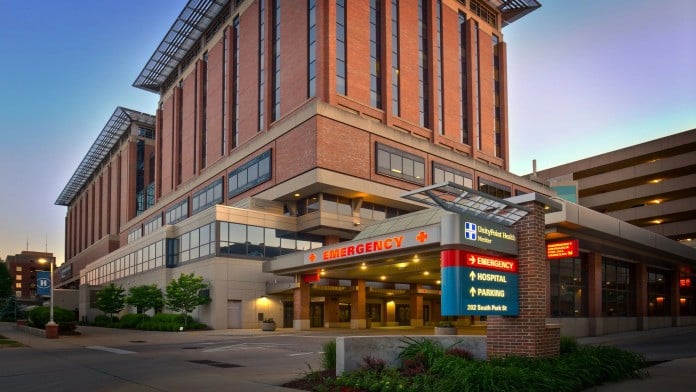
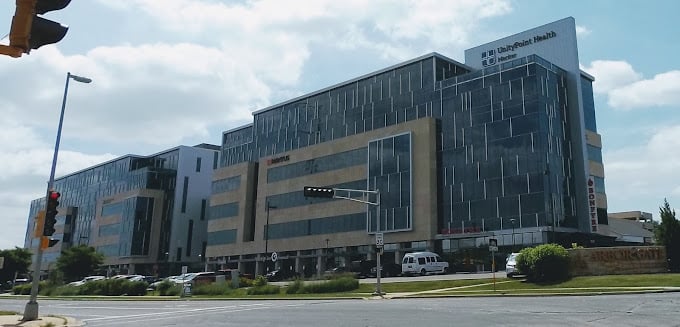
Meriter Hospital – Behavioral Health, part of the UnityPoint Health / Meriter system in Madison, Wisconsin provides hospital based behavioral health services alongside the system’s dedicated addiction program NewStart.
Together they serve adults with substance use and co-occurring mental health disorders plus youth facing acute behavioral health challenges. Their mission centers on a harm reduction client centered model that removes barriers to care and meets clients wherever they are in recovery.
Walk-In Addiction Treatment Through NewStart
NewStart is the system’s core substance use program offering outpatient treatment and an Intensive Outpatient Program (IOP) for adults with co-occurring needs.
With over 35 years of service and DHS 75 certification, the program stands out for its Direct Access Walk-In Clinic which gives first-come first-served access to therapists, physicians, nurses, and medication-assisted treatment.
Care draws on evidence-based practices including CBT, DBT, and trauma-informed therapy along with psychiatry, anti-craving medications, and long-acting MOUD for opioid use disorder.
Wraparound coordination extends to housing and transportation, childcare referrals, insurance navigation, and peer recovery support. Pregnant clients and those who inject drugs are prioritized for services.
Comprehensive Behavioral Health and Recovery Supports
Beyond addiction care the behavioral health service line includes inpatient support with private rooms and a yoga studio, calming room, sensory station, and outdoor walking track.
Additional services such as hepatitis C treatment, HIV prevention, and STI testing reflect a whole client approach to health and recovery.
Facility Overview
 30
30 Number of Available Beds
Latest Reviews
As far as psych unuts go, this one is *TOP* of my list!! The food is AMAZING, the people are WONDERFUL, the programs they do and the support they provide are absolutely the best I've had (and, I'm not ashamed to say I've been to *many* different inpatient units over my lifetime. 😅 Being able to go in when you realize you're out of sorts or not feeling safe is VERY important!! We don't talk enough about mental health in the world, and it's just as important as physical care!)
Anyway.... 10/10... HIGHLY recommend!
(And no, I'm not getting paid yo say this! 🤣)
Very loving care!
Although I have nothing to compare this program to, I found my care to be top notch. Okay, the beds are a bit hard but the doctors, social workers and the nurses (almost forgot to mention the OT folks) were incredibly kind and effective. In my opinion, the inpatient program is as successful as the work you put into it. There is no magic cure; just need to pull yourself up by the britches and dive in.
Oh- the food is quite good as well!
I would highly recommend this inpatient psychiatric programming!

Rehab Score
 Our Methodology
Scoring is assigned by a proprietary system which helps surface key metrics that determine quality. The 10-point scale factors in categories such as operations, customer satisfaction, and trust metrics. Read Full Methodology

8.2 / 10
Gallery
Accepted Insurance
Other Forms of Payment
Medicaid is a state based program that helps lower-income individuals and families pay for healthcare. Medicaid covers addiction treatment so those enrolled can use their coverage to pay for rehab. When a program accepts Medicaid the client often pays very little or nothing out of their own pocket.
Private insurance refers to any kind of healthcare coverage that isn't from the state or federal government. This includes individual and family plans offered by an employer or purchased from the Insurance Marketplace. Every plan will have different requirements and out of pocket costs so be sure to get the full details before you start treatment.
Self-pay involves paying for treatment out of your own pocket. You can use savings or credit, get a personal loan, or receive help from family and friends to fund your treatment. If you don't have insurance or your insurance plan doesn't cover a specific program, self-pay can help ensure you still get the care you need.
Medicare is a federal program that provides health insurance for those 65 and older. It also serves people under 65 with chronic and disabling health challenges. To use Medicare for addiction treatment you need to find a program that accepts Medicare and is in network with your plan. Out of pocket costs and preauthorization requirements vary, so always check with your provider.
Private insurance refers to any kind of healthcare coverage that isn't from the state or federal government. This includes individual and family plans offered by an employer or purchased from the Insurance Marketplace. Every plan will have different requirements and out of pocket costs so be sure to get the full details before you start treatment.
Addiction Treatments
Levels of Care
Residential treatment programs are those that offer housing and meals in addition to substance abuse treatment. Rehab facilities that offer residential treatment allow patients to focus solely on recovery, in an environment totally separate from their lives. Some rehab centers specialize in short-term residential treatment (a few days to a week or two), while others solely provide treatment on a long-term basis (several weeks to months). Some offer both, and tailor treatment to the patient's individual requirements.
Clients who are admitted to an outpatient rehab may be stepping down from intensive inpatient care or may be transitioning directly from a detox facility. Outpatient treatment enables clients to remain in or return to their home, workplace, and community without compromising access to care. Clients engage in addiction counseling and recovery education and may also receive evidence-based complementary therapies, such as yoga, acupuncture, and massage. Medication assisted treatment (MAT) is commonly available for clients in alcohol and/or opioid recovery.
A partial hospitalization program (PHP) offers short-term intensive care for drug and alcohol addiction. Often part of a step-down service, PHP treatment allows you to attend treatment on-site during the day, then return home during non-treatment hours. Plans of care typically include relapse prevention, medication management, and behavioral therapy services. Depending on your progress, the duration of a PHP can average 90 days with daily sessions running 4-8 hours per week. Most insurance providers fully or partially cover PHP treatment.
Intensive outpatient programs (IOP) support clients' return to their community following inpatient treatment and may also offer an alternative to hospitalization for clients who are relatively stable following detox. Many intensive outpatient rehabs require clients to participate in a minimum of nine and a maximum of 20 treatment hours weekly. IOP services are also highly customizable and typically include a combination of addiction counseling, recovery-focused life skills training, medication assisted treatment (MAT), and holistic therapies such as meditation.
Treatments
Mental health rehabs focus on helping individuals recover from mental illnesses like bipolar disorder, clinical depression, anxiety disorders, schizophrenia, and more. Mental health professionals at these facilities are trained to understand and treat mental health issues, both in individual and group settings.
Treatment for alcohol use disorder (AUD) is available in several formats and levels of care. The treatment process address various issues that contribute to a dependence on alcohol (often referred to as alcoholism). Alcohol rehab in Wisconsin provides the tools and supports you'll need to overcome AUD and maintain long-term sobriety.
The goal of drug rehab in Wisconsin is to address drug addiction as a complex issue that involves physical, mental, and relational aspects. During rehab, treatment focuses on each of these areas and gives you the tools you need to achieve and maintain sobriety.
 Opioid Addiction
Dual-diagnosis treatment programs in Wisconsin can provide substance abuse treatment for individuals facing addiction and co-occurring mental health disorders. You can usually find treatment to suit your individual needs, whether that is inpatient, outpatient, or day treatment. These programs utilize evidence-based therapies such as cognitive-behavioral therapy (CBT), dialectical behavior therapy (DBT), and mindfulness-based interventions to help you relearn new thought patterns, develop new coping strategies, and learn the skills to maintain recovery.
Programs
Adult rehab programs include therapies tailored to each client's specific needs, goals, and recovery progress. They are tailored to the specific challenges adult clients may face, including family and work pressures and commitments. From inpatient and residential treatment to various levels of outpatient services, there are many options available. Some facilities also help adults work through co-occurring conditions, like anxiety, that can accompany addiction.
Young adulthood can be an exciting, yet difficult, time of transition. Individuals in their late teens to mid-20s face unique stressors related to school, jobs, families, and social circles, which can lead to a rise in substance use. Rehab centers with dedicated young adult programs will include activities and amenities that cater to this age group, with an emphasis on specialized counseling, peer socialization, and ongoing aftercare.
Clinical Services
Cognitive Behavioral Therapy (CBT) is a therapy modality that focuses on the relationship between one's thoughts, feelings, and behaviors. It is used to establish and allow for healthy responses to thoughts and feelings (instead of unhealthy responses, like using drugs or alcohol). CBT has been proven effective for recovering addicts of all kinds, and is used to strengthen a patient's own self-awareness and ability to self-regulate. CBT allows individuals to monitor their own emotional state, become more adept at communicating with others, and manage stress without needing to engage in substance abuse.
Whether a marriage or other committed relationship, an intimate partnership is one of the most important aspects of a person's life. Drug and alcohol addiction affects both members of a couple in deep and meaningful ways, as does rehab and recovery. Couples therapy and other couples-focused treatment programs are significant parts of exploring triggers of addiction, as well as learning how to build healthy patterns to support ongoing sobriety.
Research clearly demonstrates that recovery is far more successful and sustainable when loved ones like family members participate in rehab and substance abuse treatment. Genetic factors may be at play when it comes to drug and alcohol addiction, as well as mental health issues. Family dynamics often play a critical role in addiction triggers, and if properly educated, family members can be a strong source of support when it comes to rehabilitation.
Group therapy is any therapeutic work that happens in a group (not one-on-one). There are a number of different group therapy modalities, including support groups, experiential therapy, psycho-education, and more. Group therapy involves treatment as well as processing interaction between group members.
In individual therapy, a patient meets one-on-one with a trained psychologist or counselor. Therapy is a pivotal part of effective substance abuse treatment, as it often covers root causes of addiction, including challenges faced by the patient in their social, family, and work/school life.
Nicotine Replacement Therapy (NRT) is a way of getting nicotine into the bloodstream without smoking. It uses products that supply low doses of nicotine to help people stop smoking. The goal of therapy is to cut down on cravings for nicotine and ease the symptoms of nicotine withdrawal.
The word dialectical describes the foundation of dialectical behavior therapy (DBT). Meaning "opposite," the word refers to the treatment's focus on both acceptance and change. While learning to accept where you are and the emotions you're feeling, you also learn to grow and change to establish healthier patterns in your life.
Amenities
-
 Private Rooms
 -
 Gym
Gym -
 Recreation Room
Staff & Accreditations
Staff

James Arnett
Market President
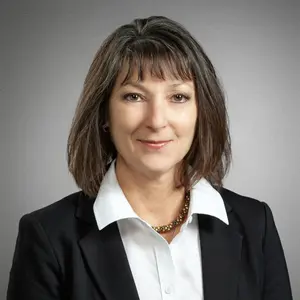
Christina Jackson
COO
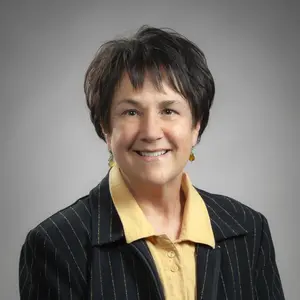
Sherry Casali, RN, MS
Chief Nursing Executive & VP of Patient Care
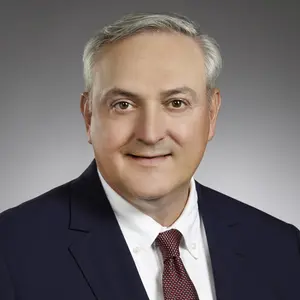
Dave Childers
Regional VP Clinic Operations

Derek Clevidence, MD
Regional VP, Medical Director
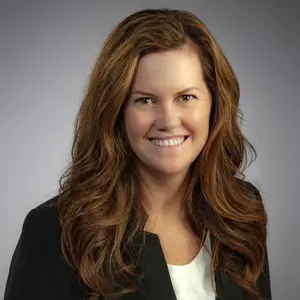
Rebecca Madson
Foundation President
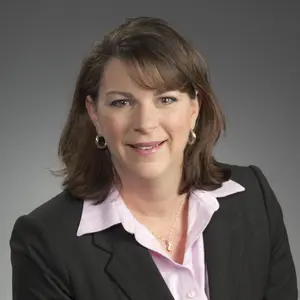
Beth Erdman
CFO
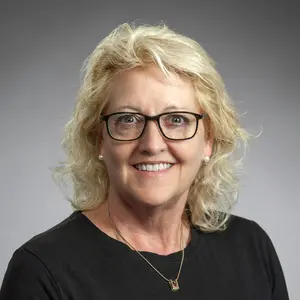
Carla Griffin
Executive Director, Pregnancy & Newborn Care
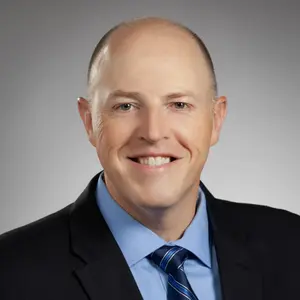
Thomas Westfall, MD
Regional Chief Medical Information Officer
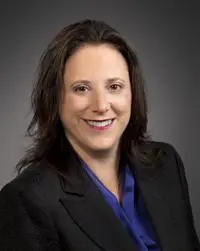
Pam Wetzel, MD
Chief Medical Officer
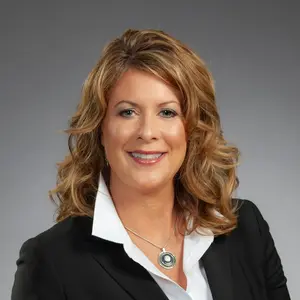
Shana Weubben
VP, Human Resources
Accreditations

The Joint Commission, formerly known as JCAHO, is a nonprofit organization that accredits rehab organizations and programs. Founded in 1951, the Joint Commision's mission is to improve the quality of patient care and demonstrating the quality of patient care.
Joint Commission Accreditation: Yes

State Licenses are permits issued by government agencies that allow rehab organizations to conduct business legally within a certain geographical area. Typically, the kind of program a rehab facility offers, along with its physical location, determines which licenses are required to operate legally.
State License: Wisconsin
Rehab.com regularly reviews this listing for accuracy but changes may occur between updates. For the most up-to-date information, please contact Meriter Hospital – Behavioral Health.
Contact Information

202 South Park Street
Madison, WI 53715
Get Help Now - 608-856-5059
Sponsored Helpline
Sponsored Helpline


