
The doctors are very, very good! Your service is incredibly professional! I'm delighted to be here!
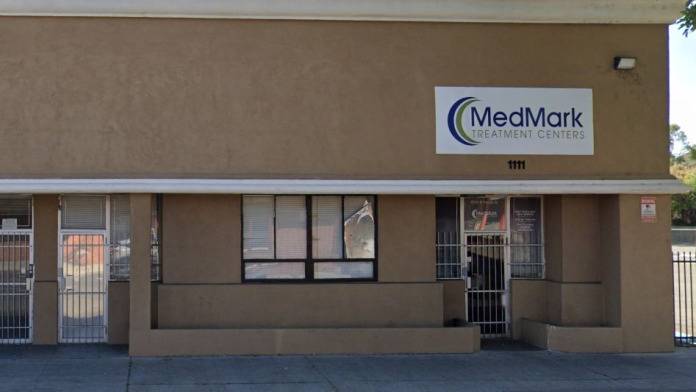
MedMark Treatment Centers Stockton
1
Top 10 Rehab Centers In Stockton




















































































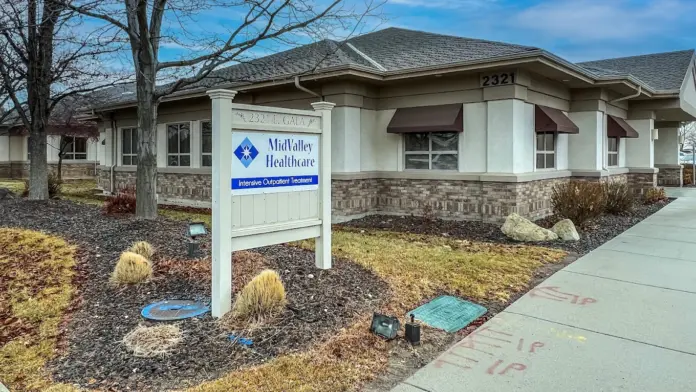
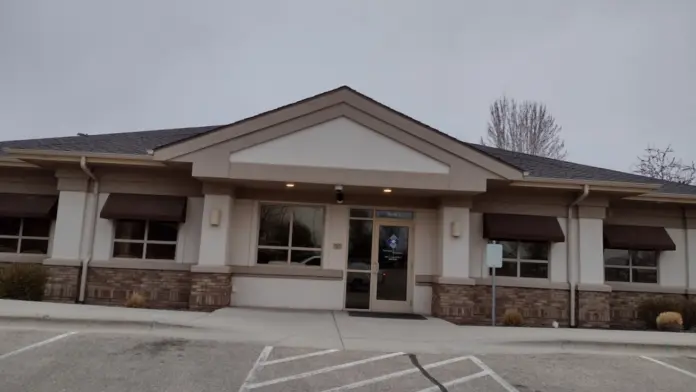
In the middle of Meridian, Idaho is a facility that has helped this community overcome and manage mental health disorders and substance abuse since 2010. MidValley Healthcare provides many programs and services to support you on your road to recovery. With an experienced team of professional psychiatrists, nurse practitioners and addiction counselors, they are ready to battle alongside you. Accepting most private insurance plans, medicare and TRICARE, they also accept CareCredit so patients can pay through monthly payments.
The outpatient programs at this clinic truly stand out from other facilities. Their key program is integrated dual diagnosis disorder treatment which is perfect for patients that are struggling with both mental health and substance abuse disorders. MidValley Healthcare combines therapy, education and medication management to treat anxiety, PTSD and depression while still going through your recovery.
Also included is their trauma therapy program which focuses on past experiences and how to heal from the effects of your trauma. By using therapies like eye movement desensitization and cognitive behavioral therapy you will be able to overcome the emotional impact your trauma has caused.
As soon as you walk into Mid Valley Healthcare you will be treated like a person with unique needs and not just another patient. The staff works with you to develop a treatment plan that addresses your specific issues. After completing a program at this facility you’ll be setting a foundation for a brighter future of emotional strength and self growth not just a short-term fix.



 Our Methodology


Private insurance refers to any kind of healthcare coverage that isn't from the state or federal government. This includes individual and family plans offered by an employer or purchased from the Insurance Marketplace. Every plan will have different requirements and out of pocket costs so be sure to get the full details before you start treatment.
Self-pay involves paying for treatment out of your own pocket. You can use savings or credit, get a personal loan, or receive help from family and friends to fund your treatment. If you don't have insurance or your insurance plan doesn't cover a specific program, self-pay can help ensure you still get the care you need.
Financial aid can take many forms. Centers may have grants or scholarships available to clients who meet eligibility requirements. Programs that receive SAMHSA grants may have financial aid available for those who need treatment as well. Grants and scholarships can help you pai for treatment without having to repay.
Medicaid is a state based program that helps lower-income individuals and families pay for healthcare. Medicaid covers addiction treatment so those enrolled can use their coverage to pay for rehab. When a program accepts Medicaid the client often pays very little or nothing out of their own pocket.
Medicare is a federal program that provides health insurance for those 65 and older. It also serves people under 65 with chronic and disabling health challenges. To use Medicare for addiction treatment you need to find a program that accepts Medicare and is in network with your plan. Out of pocket costs and preauthorization requirements vary, so always check with your provider.
Military members, veterans, and eligible dependents have access to specific insurance programs that help them get the care they need. TRICARE and VA insurance can help you access low cost or no cost addiction and mental health treatment. Programs that accept military insurance often have targeted treatment focused on the unique challenges military members, veterans, and their families face.
Outpatient Programs (OP) are for those seeking mental rehab or drug rehab, but who also stay at home every night. The main difference between outpatient treatment (OP) and intensive outpatient treatment (IOP) lies in the amount of hours the patient spends at the facility. Most of the time an outpatient program is designed for someone who has completed an inpatient stay and is looking to continue their growth in recovery. Outpatient is not meant to be the starting point, it is commonly referred to as aftercare.
Clients requiring treatment in an inpatient rehab are often those who need stabilization support as they exit detox or contend with a life crisis. Residing at the treatment facility enables clients to focus exclusively on their recovery. They engage in extensive psychotherapy and recovery-focused life skills training to support their sustained sobriety and prepare them for outpatient and community-based care. Evidence-based holistic therapies, such as experiential therapy and meditation, are also commonly available.
Clients participating in a rehab aftercare program receive a variety of services designed to support their sustained sobriety and successful reintegration into their home, workplace, and community. Rehab aftercare services may include formal outpatient care, such as addiction counseling and recovery education provided in an outpatient treatment center. They may also include community-based services, including 12 step program induction, peer coaching, and vocational training. These programs are typically designed in partnership with the client's case manager.
12-step programs are addiction recovery models based on Alcoholics Anonymous (AA). A number of substance abuse programs (including some drug and alcohol rehab centers) use the 12 steps as a basis for treatment. Beginning steps involve admitting powerlessness over the addiction and creating a spiritual basis for recovery. Middle steps including making direct amends to those who've been hurt by the addiction, and the final step is to assist others in addiction recovery in the same way. 12-Step offshoots including Narcotics Anonymous (NA), Cocaine Anonymous (CA), Dual Recovery Anonymous (DRA), Sex and Love Addicts Anonymous (SLAA) and Gamblers Anonymous (GA).
The goal of treatment for alcoholism is abstinence. Those with poor social support, poor motivation, or psychiatric disorders tend to relapse within a few years of treatment. For these people, success is measured by longer periods of abstinence, reduced use of alcohol, better health, and improved social functioning. Recovery and Maintenance are usually based on 12 step programs and AA meetings.
Drug rehab in Idaho provides treatment for addiction to drugs. It usually includes a combination of treatment methods that can involve counseling, medication, and a variety of evidence-based therapies. Programs are designed to help individuals manage their substance use disorder long-term.
Many of those suffering from addiction also suffer from mental or emotional illnesses like schizophrenia, bipolar disorder, depression, or anxiety disorders. Rehab and other substance abuse facilities treating those with a dual diagnosis or co-occurring disorder administer psychiatric treatment to address the person's mental health issue in addition to drug and alcohol rehabilitation.
A combined mental health and substance abuse rehab has the staff and resources available to handle individuals with both mental health and substance abuse issues. It can be challenging to determine where a specific symptom stems from (a mental health issue or an issue related to substance abuse), so mental health and substance abuse professionals are helpful in detangling symptoms and keeping treatment on track.
Opioid rehabs specialize in supporting those recovering from opioid addiction. They treat those suffering from addiction to illegal opioids like heroin, as well as prescription drugs like oxycodone. These centers typically combine both physical as well as mental and emotional support to help stop addiction. Physical support often includes medical detox and subsequent medical support (including medication), and mental support includes in-depth therapy to address the underlying causes of addiction.
Adult rehab programs include therapies tailored to each client's specific needs, goals, and recovery progress. They are tailored to the specific challenges adult clients may face, including family and work pressures and commitments. From inpatient and residential treatment to various levels of outpatient services, there are many options available. Some facilities also help adults work through co-occurring conditions, like anxiety, that can accompany addiction.
Whether a marriage or other committed relationship, an intimate partnership is one of the most important aspects of a person's life. Drug and alcohol addiction affects both members of a couple in deep and meaningful ways, as does rehab and recovery. Couples therapy and other couples-focused treatment programs are significant parts of exploring triggers of addiction, as well as learning how to build healthy patterns to support ongoing sobriety.
Research clearly demonstrates that recovery is far more successful and sustainable when loved ones like family members participate in rehab and substance abuse treatment. Genetic factors may be at play when it comes to drug and alcohol addiction, as well as mental health issues. Family dynamics often play a critical role in addiction triggers, and if properly educated, family members can be a strong source of support when it comes to rehabilitation.
Group therapy is any therapeutic work that happens in a group (not one-on-one). There are a number of different group therapy modalities, including support groups, experiential therapy, psycho-education, and more. Group therapy involves treatment as well as processing interaction between group members.
In individual therapy, a patient meets one-on-one with a trained psychologist or counselor. Therapy is a pivotal part of effective substance abuse treatment, as it often covers root causes of addiction, including challenges faced by the patient in their social, family, and work/school life.
Life skills trainings involve all the skills a person must have in order to function successfully in the world. These include time management, career guidance, money management, and effective communication. Truly successful addiction recovery is based on the ability to not only live substance-free, but to thrive. Life skills teaches the practical necessities of functioning in society, which sets clients up for success in life, and therefore sobriety.
 Residential Setting
Psychiatrist

Psychiatrist
Administrator
Rehab.com regularly reviews this listing for accuracy but changes may occur between updates. For the most up-to-date information, please contact MidValley Healthcare – Meridian.

2321 E. Gala St.
Suite 3
Meridian, ID 83642
Sponsored Helpline
The doctors are very, very good! Your service is incredibly professional! I'm delighted to be here!

Dr. Ashaye and the staff at Mid Valley healthcare are phenomenal. They have seen and treated me, my husband, and my two sons… Again cannot cannot recommend enough!! Gina, our therapist is the bees knees and the singular best therapist I have ever worked with🙌🙌🙌🙌

This is based on a consistent failure to meet professional standards in both clinical care and office administration. Please if you value your mental health think twice before using them. Specifically: • Breach of Professional Boundaries: On multiple occasions, unverified information from the public ("hearsay") was brought into my private clinical appointments. Basing my treatment or evaluations on outside gossip rather than clinical evidence is a violation of my privacy and the professional standard of care. • Communication & Respect: I have frequently felt ignored by clinical staff regarding my feedback on medications. Furthermore, the conduct of the front desk staff has been consistently dismissive and harsh, creating an environment where I felt unwelcome. • Reliability: On several occasions, for many patients prescriptions were not called in on time, leaving me without essential medication for 2 to 5 days. This is a significant risk to my health and safety. • Patient Experience: I consistently leave appointments feeling unheard and hopeless rather than supported. Because of these systemic issues and the breach of trust regarding my private information, I no longer feel safe or supported at this facility.

If you have anxiety, I do not recommend this office unfortunately. The providers are great and the office is nice at first. But if Kristen is unavailable (main receptionist in my experience) and the medical assistant (SH) steps in, you will get a human kiosk with zero human interaction and no emotion. If you have had the unpleasantness of calling and she answers, she will hang up. I had this experience twice. While this may vary patient to patient, if your anxiety is high please seek alternative offices. I felt uncomfortable calling when I needed to, due to this staff member. I felt uncomfortable asking questions in person about a bill question. As a former assistant supervisor at a medical office, non psych, it was truly disappointing to experience this. In any other business, this would be a service issue; in a mental health office, it is a clinical failure. I hope she can come to this realization on how important it for the patients sake as well as the owners true mission/ core values/ goals. (based on previous reviews). The administrative environment is a significant barrier to wellness. It’s a team effort. Patient, front desk, provider, pharmacy, etc.

 Back
Back
Sharing your insights and experiences can help others learn more about this rehab center.