































































































In 2010 I had a traumatic brain injury which put me in a 2 month coma, months of rehab to learn how to walk again and months of therapy that I was unable to complete. The issues that I currently possess are ones that are going to be with me for the rest of my life. 16 years ...
About Carastar Crisis Center
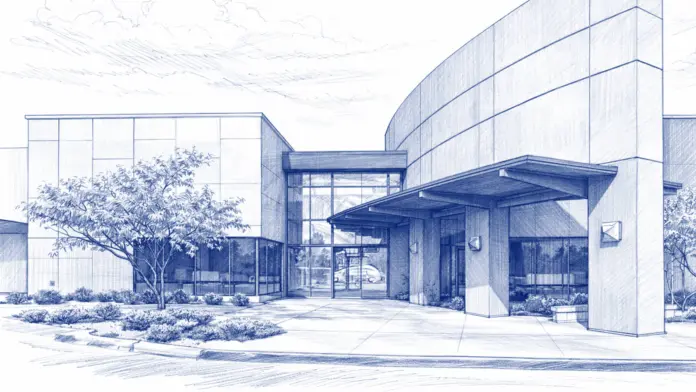
The Carastar Crisis Center is located in Montgomery, Alabama. This is a facility that’s open 24/7, and they provide behavioral health support to adolescents and adults experiencing a crisis, whether it be a mental health crisis or challenges related to a substance abuse disorder. After you’re stabilized, you’ll be supported through treatment and linkage to other community providers and services.
Community Focused Care
The Carastar Crisis Center is really connected to the community, and one of their missions is to provide accessible care to those experiencing a break in their mental health or behavioral health without reverting to options that don’t address the underlying issues.
They partner with local law enforcement agencies, advocacy groups, and other agencies to provide supportive care. For example, in the event of a crisis, traditional avenues where 911 is called won’t result in law enforcement interaction that leads to incarceration. Instead, you’ll be directed to appropriate mental health services.
Other ways they support the community is through their homeless outreach and homeless specific services. They also have a mobile crisis unit that can deploy in the event of a crisis, and after hours counseling is also an option available to you too.
Addiction Treatment Through Community Partnerships
The Carastar Crisis Center also partners with the Baptist Health Center for Addiction Recovery. It’s through this avenue that you can receive addiction treatment services and support to address drug and alcohol struggles at play.
Whether it’s inpatient, outpatient, or detox services, Baptist Health will get you to a point of stability so that you can continue benefiting from the services available through the Carastar Health Network. Referrals to Baptist Health happen here at the crisis center.
Latest Reviews
Charles
Reviewed on 07/21/2026
In 2010 I had a traumatic brain injury which put me in a 2 month coma, months of rehab to learn how to walk again and months of therapy that I was unable to complete. The issues that I currently possess are ones that are going to be with me for the rest of my life. 16 years down the road and I am still struggling to adapt and function in some ways. Throw in the fact that I am going through a divorce with a woman who has done nothing to ease my issues and I was forced to visit caradtar crisis center in Montgomery for help. I did not know what to expect but all of the therapists and psychiatrists made it clear why they were there and that was solely to assist. The other patients were there for reasons differing from mine but the therapists and employees all do a great job of remembering that we are there because we need their help and because of that, everyone was always helping. Not only did they help with their designated duties but they were also able to communicate with all of us in a way where they seemed concerned for us and although it was clear they had seen a lot of the other patients before, they never let themselves express frustration or agitation with their continued return. I understand the employees at carastar were hired to fill a role and accomplish responsibilities but I appreciate that they never acted like it was bothersome to help any of us and they NEVER came off as anything but a friend that was trying to help. I really only have positive things to say.
I want to express my gratitude to the entire staff for the exceptional care they provided to my nephew during his stay. The facility was clean and well-maintained. Every staff member I interacted with demonstrated excellent customer service skills. I would give this crisis center five stars or more.
The staff is very caring and knowledgeable about the patient care and treatment. I know my son is going to get the proper treatment for his mental health as well as his drug addiction.

Rehab Score
 Our Methodology
Scoring is assigned by a proprietary system which helps surface key metrics that determine quality. The 10-point scale factors in categories such as operations, customer satisfaction, and trust metrics. Read Full Methodology

5.2 / 10
Location
Other Forms of Payment
Private insurance refers to any kind of healthcare coverage that isn't from the state or federal government. This includes individual and family plans offered by an employer or purchased from the Insurance Marketplace. Every plan will have different requirements and out of pocket costs so be sure to get the full details before you start treatment.
Self-pay involves paying for treatment out of your own pocket. You can use savings or credit, get a personal loan, or receive help from family and friends to fund your treatment. If you don't have insurance or your insurance plan doesn't cover a specific program, self-pay can help ensure you still get the care you need.
Sliding scale payments are based on a client's income and family size. The goal is to make treatment affordable to everyone. By taking these factors into account, addiction recovery care providers help ensure that your treatment does not become a financial burden to you or your family, eliminating one barrier to care.
Medicare is a federal program that provides health insurance for those 65 and older. It also serves people under 65 with chronic and disabling health challenges. To use Medicare for addiction treatment you need to find a program that accepts Medicare and is in network with your plan. Out of pocket costs and preauthorization requirements vary, so always check with your provider.
Medicaid is a state based program that helps lower-income individuals and families pay for healthcare. Medicaid covers addiction treatment so those enrolled can use their coverage to pay for rehab. When a program accepts Medicaid the client often pays very little or nothing out of their own pocket.
Addiction Treatments
Levels of Care
Outpatient rehab is designed primarily for clients who do not require intensive clinical supervision. This includes clients who are exiting detox or inpatient care. Outpatient treatment typically involves addiction counseling, recovery education, and life skills training. These programs encompass varying levels of care, including partial hospitalization (PHP), intensive outpatient (IOP), standard outpatient (OP), and sober living/halfway house programs. Each category is defined by the frequency and intensity of treatment.
Residential treatment programs are those that offer housing and meals in addition to substance abuse treatment. Rehab facilities that offer residential treatment allow patients to focus solely on recovery, in an environment totally separate from their lives. Some rehab centers specialize in short-term residential treatment (a few days to a week or two), while others solely provide treatment on a long-term basis (several weeks to months). Some offer both, and tailor treatment to the patient's individual requirements.
A partial hospitalization program (PHP) provides comprehensive treatment to those who do not require 24/7 monitoring and offers a higher level of care than outpatient programs. Often referred to as "day treatment" patients typically attend sessions a minimum of 20 hours weekly, allowing clients to return home each day. PHP treatment is often covered by insurance and can provide daily therapeutic sessions and services such as relapse prevention and medication management.
At certain points in the recovery process, it's important to have medical support available around the clock, and 24-hour clinical care in Alabama offers a safe environment in which you can begin your recovery journey. This feature offers constant supervision in situations like medical detox, where a team of professionals are on hand to ensure the withdrawal processs is performed safely and comfortably.
Medically assisted detox is often the first step of addiction treatment. At the medical detox level of care, you are weaning your body off drugs and/or alcohol under the care of licensed medical professionals who constantly monitor your health and treat any potential withdrawal symptoms, sometimes with the aid of medication (like Suboxone or Vivitrol).
Treatments
Mental health rehabs focus on helping individuals recover from mental illnesses like bipolar disorder, clinical depression, anxiety disorders, schizophrenia, and more. Mental health professionals at these facilities are trained to understand and treat mental health issues, both in individual and group settings.
Programs
Adult rehab programs include therapies tailored to each client's specific needs, goals, and recovery progress. They are tailored to the specific challenges adult clients may face, including family and work pressures and commitments. From inpatient and residential treatment to various levels of outpatient services, there are many options available. Some facilities also help adults work through co-occurring conditions, like anxiety, that can accompany addiction.
Young adulthood can be an exciting, yet difficult, time of transition. Individuals in their late teens to mid-20s face unique stressors related to school, jobs, families, and social circles, which can lead to a rise in substance use. Rehab centers with dedicated young adult programs will include activities and amenities that cater to this age group, with an emphasis on specialized counseling, peer socialization, and ongoing aftercare.
Clinical Services
Cognitive Behavioral Therapy (CBT) is a therapy modality that focuses on the relationship between one's thoughts, feelings, and behaviors. It is used to establish and allow for healthy responses to thoughts and feelings (instead of unhealthy responses, like using drugs or alcohol). CBT has been proven effective for recovering addicts of all kinds, and is used to strengthen a patient's own self-awareness and ability to self-regulate. CBT allows individuals to monitor their own emotional state, become more adept at communicating with others, and manage stress without needing to engage in substance abuse.
Dialectical Behavior Therapy (DBT) is a modified form of Cognitive Behavioral Therapy (CBT), a treatment designed to help people understand and ultimately affect the relationship between their thoughts, feelings, and behaviors. DBT is often used for individuals who struggle with self-harm behaviors, such as self-mutilation (cutting) and suicidal thoughts, urges, or attempts. It has been proven clinically effective for those who struggle with out-of-control emotions and mental health illnesses like Borderline Personality Disorder.
Group therapy is any therapeutic work that happens in a group (not one-on-one). There are a number of different group therapy modalities, including support groups, experiential therapy, psycho-education, and more. Group therapy involves treatment as well as processing interaction between group members.
In individual therapy, a patient meets one-on-one with a trained psychologist or counselor. Therapy is a pivotal part of effective substance abuse treatment, as it often covers root causes of addiction, including challenges faced by the patient in their social, family, and work/school life.
Experiential therapy is a form of therapy in which clients are encouraged to surface and work through subconscious issues by engaging in real-time experiences. Experiential therapy departs from traditional talk therapy by involving the body, and having clients engage in activities, movements, and physical and emotional expression. This can involve role-play or using props (which can include other people). Experiential therapy can help people process trauma, memories, and emotion quickly, deeply, and in a lasting fashion, leading to substantial and impactful healing.
Nicotine Replacement Therapy (NRT) is a way of getting nicotine into the bloodstream without smoking. It uses products that supply low doses of nicotine to help people stop smoking. The goal of therapy is to cut down on cravings for nicotine and ease the symptoms of nicotine withdrawal.
Amenities
-
 Private Transportation
 -
 Residential Setting
Rehab.com regularly reviews this listing for accuracy but changes may occur between updates. For the most up-to-date information, please contact Carastar Crisis Center.
Contact Information

5915 Carmichael Rd
Montgomery, AL 36117
Get Help Now - 334-316-9774
Sponsored Helpline
Sponsored Helpline



