






























































































Pt 1 I went there when I was 16. I badly wanted a room to myself and they refused, said it was not possible, but the next day a new girl was put in our unit and she received her own room. You only receive 5-10 minutes calls with family once a night at 8pm, I tried my best to ...
About Mountain View Hospital
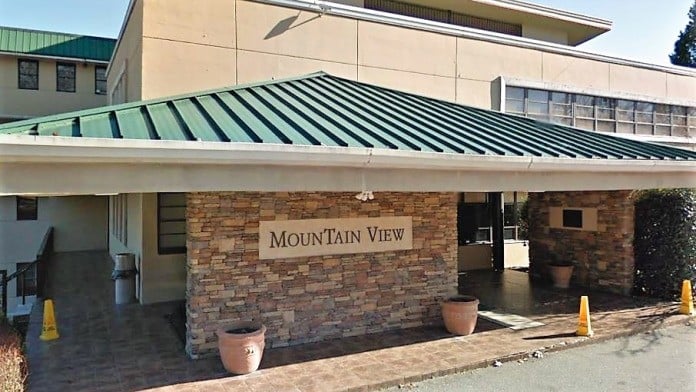
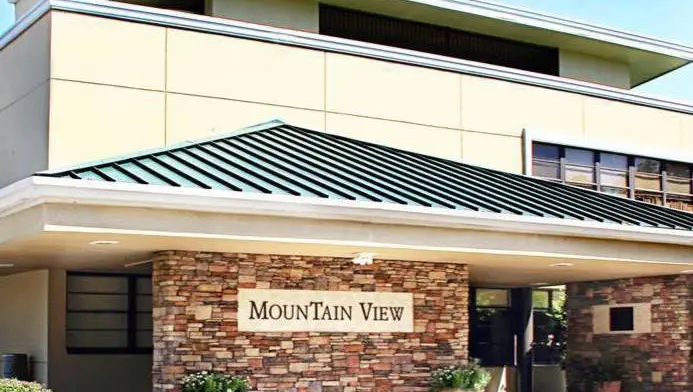
Located in Gadsden, Alabama, Mountain View Hospital is a private psychiatric hospital. The staff provides services for children, adolescents, adults, and senior adults. They offer inpatient and outpatient services for mental health and substance use disorder (SUD) treatment. The hospital accepts most commercial insurance. They also accept Medicare and Medicaid for clients up to 21 years of age.
Customized Outpatient SUD and Mental Health Treatment in Gadsden, Alabama
Gadsden is a vibrant city with a rich history. The quaint downtown historic district is perfect for window shopping, strolling, and dining, and it’s only five miles from the hospital.
The outpatient clinic at the hospital treats children, adolescents, and adults with emotional and behavioral problems, including chemical dependency. As a client at the clinic, you’ll have a case manager who helps coordinate your services.
After a full assessment and diagnosis, the treatment team develops a custom treatment plan to address your unique needs. Treatment may include medication, individual, and family therapy. There are also employee assistance services available.
The Right Level of Care
One of the unique things about this hospital is the number of inpatient units so clients get the level of care that’s right for their situation. The hospital has 40 beds devoted to adolescents with an additional 68 beds for other clients.
The Child Center serves children up to 12 years of age and offers a combination of behavioral modification, recreation, counseling, and education. The environment is designed to uncover the strengths of each child and his or her family.
The Adolescent Center serves teens ages 12-18 and uses an individualized treatment approach for teens and their families. In addition to many of the same therapies used in the Child Center, the adolescent program includes chemical dependency therapies.
There’s an Intensive Care Center for clients with acute psychiatric disorders or syndromes. The center is designed for children and adolescents and clients are intensely monitored in the unit.
Some of the specialty programs offered at the hospital include groups for sexual abuse survivors and children of alcoholics. There are also parent education training groups and aftercare and outpatient services.
Latest Reviews
I have been inpatient here twice, both times on the short term unit (female side). I was only there for 5-ish days my first time, but the second time I was there, I stayed for 84 days. I have a few complaints about the quality of the facility, but my chief reason for reviewing was to praise the staff. Certain staff members were kind enough to essentially make me their own children. Quite a few staff members provided myself and other patients, who couldn't get hygiene items from family, with hygiene and clothing. There are a few bad apples, but for the most part, this staff truly does care about their patients. Dr. Shehi and Dr. Shehi Jr. are especially full of compassion for the patients in their care.
Dr Grant is the most famous doctor I’ve ever met and he knows exactly what he’s doing. Thank goodness for Dr Grant more people should come to see him and check him out and he is a doctor better than any other doctor I’ve ever seen in my entire life. He is even better better than my medical doctor. Dr Grant is number one. No one else can beat him. I’ve been around for years and never seen a doctor so smart and honest and kind to me. I really appreciate him. Maybe he will get a big raise paid vacation ham and turkey plus a gold medal on his wall. The people that works for dr Grant are very professional people. They are very kind people who love me and care about me and my sister like dr Grant does. I appreciate yall family. There is a very kind lady who works hard in dr Grant office who loves everyone and helps them out. Please Boss can you give dr Grant a big raise and a paid vacation ham and turkey and a gold plague on his wall and please Boss can you give dr Grant office people a big raise ham and turkey plus a gold plague on their wall because they all deserve it. I promise you they they do Boss. Thanks so much. Have a great day ahead too. I’m coming back to see ya soon as I can I am a lot better now. Dr Grant done me alot better than I thought. I am doing better today I sure hope ya are doing great. I’m calling ya tommorow. We love ya so much family.
i stayed here and was chill i miss graeson fox tho 🥹✌🏼

Rehab Score
 Our Methodology
Scoring is assigned by a proprietary system which helps surface key metrics that determine quality. The 10-point scale factors in categories such as operations, customer satisfaction, and trust metrics. Read Full Methodology

5.4 / 10
Gallery
Other Forms of Payment
Medicaid is a state based program that helps lower-income individuals and families pay for healthcare. Medicaid covers addiction treatment so those enrolled can use their coverage to pay for rehab. When a program accepts Medicaid the client often pays very little or nothing out of their own pocket.
Private insurance refers to any kind of healthcare coverage that isn't from the state or federal government. This includes individual and family plans offered by an employer or purchased from the Insurance Marketplace. Every plan will have different requirements and out of pocket costs so be sure to get the full details before you start treatment.
Self-pay involves paying for treatment out of your own pocket. You can use savings or credit, get a personal loan, or receive help from family and friends to fund your treatment. If you don't have insurance or your insurance plan doesn't cover a specific program, self-pay can help ensure you still get the care you need.
Medicare is a federal program that provides health insurance for those 65 and older. It also serves people under 65 with chronic and disabling health challenges. To use Medicare for addiction treatment you need to find a program that accepts Medicare and is in network with your plan. Out of pocket costs and preauthorization requirements vary, so always check with your provider.
Military members, veterans, and eligible dependents have access to specific insurance programs that help them get the care they need. TRICARE and VA insurance can help you access low cost or no cost addiction and mental health treatment. Programs that accept military insurance often have targeted treatment focused on the unique challenges military members, veterans, and their families face.
Addiction Treatments
Levels of Care
Outpatient Programs (OP) are for those seeking mental rehab or drug rehab, but who also stay at home every night. The main difference between outpatient treatment (OP) and intensive outpatient treatment (IOP) lies in the amount of hours the patient spends at the facility. Most of the time an outpatient program is designed for someone who has completed an inpatient stay and is looking to continue their growth in recovery. Outpatient is not meant to be the starting point, it is commonly referred to as aftercare.
Residential treatment programs are those that offer housing and meals in addition to substance abuse treatment. Rehab facilities that offer residential treatment allow patients to focus solely on recovery, in an environment totally separate from their lives. Some rehab centers specialize in short-term residential treatment (a few days to a week or two), while others solely provide treatment on a long-term basis (several weeks to months). Some offer both, and tailor treatment to the patient's individual requirements.
Treatments
Many of those suffering from addiction also suffer from mental or emotional illnesses like schizophrenia, bipolar disorder, depression, or anxiety disorders. Rehab and other substance abuse facilities treating those with a dual diagnosis or co-occurring disorder administer psychiatric treatment to address the person's mental health issue in addition to drug and alcohol rehabilitation.
Mental health rehabs focus on helping individuals recover from mental illnesses like bipolar disorder, clinical depression, anxiety disorders, schizophrenia, and more. Mental health professionals at these facilities are trained to understand and treat mental health issues, both in individual and group settings.
Programs
Adult rehab programs include therapies tailored to each client's specific needs, goals, and recovery progress. They are tailored to the specific challenges adult clients may face, including family and work pressures and commitments. From inpatient and residential treatment to various levels of outpatient services, there are many options available. Some facilities also help adults work through co-occurring conditions, like anxiety, that can accompany addiction.
Young adulthood can be an exciting, yet difficult, time of transition. Individuals in their late teens to mid-20s face unique stressors related to school, jobs, families, and social circles, which can lead to a rise in substance use. Rehab centers with dedicated young adult programs will include activities and amenities that cater to this age group, with an emphasis on specialized counseling, peer socialization, and ongoing aftercare.
Clinical Services
Cognitive Behavioral Therapy (CBT) is a therapy modality that focuses on the relationship between one's thoughts, feelings, and behaviors. It is used to establish and allow for healthy responses to thoughts and feelings (instead of unhealthy responses, like using drugs or alcohol). CBT has been proven effective for recovering addicts of all kinds, and is used to strengthen a patient's own self-awareness and ability to self-regulate. CBT allows individuals to monitor their own emotional state, become more adept at communicating with others, and manage stress without needing to engage in substance abuse.
Whether a marriage or other committed relationship, an intimate partnership is one of the most important aspects of a person's life. Drug and alcohol addiction affects both members of a couple in deep and meaningful ways, as does rehab and recovery. Couples therapy and other couples-focused treatment programs are significant parts of exploring triggers of addiction, as well as learning how to build healthy patterns to support ongoing sobriety.
Experiential therapy is a form of therapy in which clients are encouraged to surface and work through subconscious issues by engaging in real-time experiences. Experiential therapy departs from traditional talk therapy by involving the body, and having clients engage in activities, movements, and physical and emotional expression. This can involve role-play or using props (which can include other people). Experiential therapy can help people process trauma, memories, and emotion quickly, deeply, and in a lasting fashion, leading to substantial and impactful healing.
Research clearly demonstrates that recovery is far more successful and sustainable when loved ones like family members participate in rehab and substance abuse treatment. Genetic factors may be at play when it comes to drug and alcohol addiction, as well as mental health issues. Family dynamics often play a critical role in addiction triggers, and if properly educated, family members can be a strong source of support when it comes to rehabilitation.
Group therapy is any therapeutic work that happens in a group (not one-on-one). There are a number of different group therapy modalities, including support groups, experiential therapy, psycho-education, and more. Group therapy involves treatment as well as processing interaction between group members.
In individual therapy, a patient meets one-on-one with a trained psychologist or counselor. Therapy is a pivotal part of effective substance abuse treatment, as it often covers root causes of addiction, including challenges faced by the patient in their social, family, and work/school life.
Staff
G. Michael Shehi, MD
Medical Director,CEO, Chairman of the Board
Emmett Poundstone, JD
VP of Development, Vice Chairman of the Board
James Pouncey
Board Member
Sara Romano, RN
RN, COO, Secretary of the Board
Rehab.com regularly reviews this listing for accuracy but changes may occur between updates. For the most up-to-date information, please contact Mountain View Hospital.
Contact Information

3001 Scenic Highway
Gadsden, AL 35904
Get Help Now - 256-434-9461
Sponsored Helpline
Sponsored Helpline



