












Footprints to Recovery Addiction Treatment Centers
1
Top 10 Rehab Centers In Centennial



















































































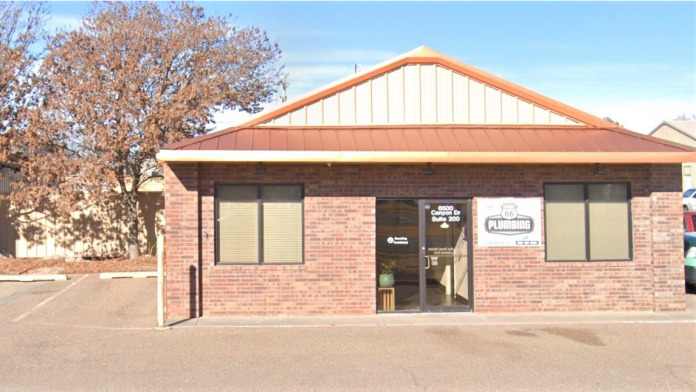
My Next Step IOP is designed for clients who have daytime responsibilities but require high-level support. It is suitable for those who have a high risk of relapse. Programs run for three hours in the evenings daily from Monday through Friday.
Here, clients will experience in-depth facilitation on recovery topics including family dynamics, spiritual growth, 12-step programming, recovery protection, and more.
My Next Step accepts most major insurance providers such as Cigna, Humana, and Beacon. Check with your individual provider to verify coverage and out-of-network benefits.

 Our Methodology


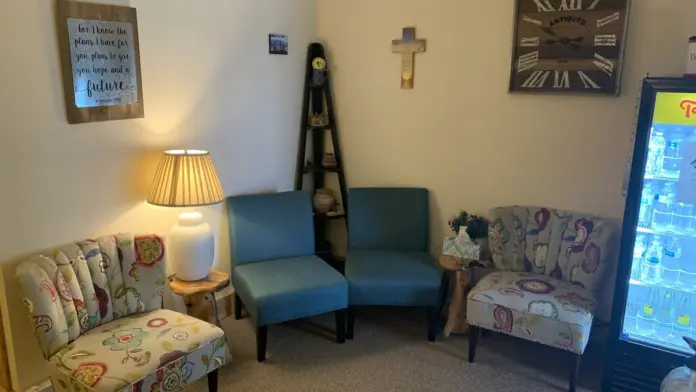
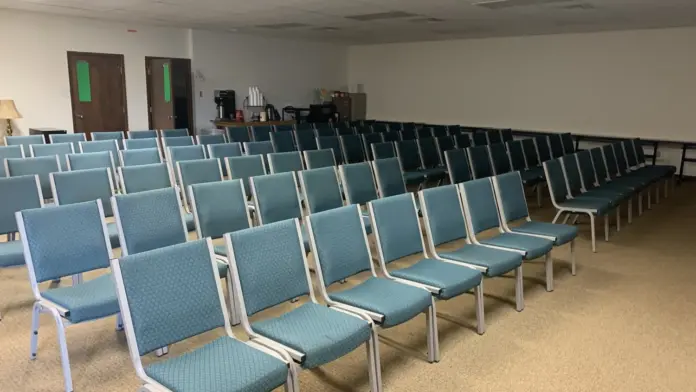
Intensive Outpatient Programs (IOP) are for those who want or need a very structured treatment program but who also wish to live at home and continue with certain responsibilities (such as work or school). IOP substance abuse treatment programs vary in duration and intensity, and certain outpatient rehab centers will offer individualized treatment programs.
Outpatient Programs (OP) are for those seeking mental rehab or drug rehab, but who also stay at home every night. The main difference between outpatient treatment (OP) and intensive outpatient treatment (IOP) lies in the amount of hours the patient spends at the facility. Most of the time an outpatient program is designed for someone who has completed an inpatient stay and is looking to continue their growth in recovery. Outpatient is not meant to be the starting point, it is commonly referred to as aftercare.
Substance rehabs focus on helping individuals recover from substance abuse, including alcohol and drug addiction (both illegal and prescription drugs). They often include the opportunity to engage in both individual as well as group therapy.
Group therapy is any therapeutic work that happens in a group (not one-on-one). There are a number of different group therapy modalities, including support groups, experiential therapy, psycho-education, and more. Group therapy involves treatment as well as processing interaction between group members.
In individual therapy, a patient meets one-on-one with a trained psychologist or counselor. Therapy is a pivotal part of effective substance abuse treatment, as it often covers root causes of addiction, including challenges faced by the patient in their social, family, and work/school life.
Rehab.com regularly reviews this listing for accuracy but changes may occur between updates. For the most up-to-date information, please contact My Next Step – IOP Program.

4515 Cornell St
Amarillo, TX 79109
Sponsored Helpline

My Next Step is a wonderful program that helped save my life. They taught me that you can live a wonderful, fun and fulfilled life. My Next Step is run by people that are completely filled with love and compassion. I could never thank them enough to just always be there with open arms, love and guidance whenever you need them or didn't know you needed them. These are absolutely amazing human beings and provide an astounding establishment for help. Thank you My Next Step!

My next step absolutely changed my life for the better!!! I started the program in April and today I have 8 months and 28 days clean and sober….! I can’t find the words to explain the staff…..they were exactly what I needed when I needed and I owe my life to them! I could write pages about my experience with My Next Step; If you want something better in life and an extended family that will walk with you and give you the love and support while holding you accountable; to get you there… then I only recommend MY NEXT STEP! It truly works IF YA WORK IT!!!

I am going on 2 years sober no way possible without Scott and Eric's help!! You gain a family when you go through the MNS program

My Next Step. An excellent program with very well trained people . If your sick and tired of being sick and tired , and ready for a change in your life. My next step is the place for you. But be ready. It will change your life for the better.
 Back
Back
Sharing your insights and experiences can help others learn more about this rehab center.
 Written By: Mari Mendoza
BS
Written By: Mari Mendoza
BS