






























































































I’m extremely disappointed with the level of professionalism at the NCADD office in Covina. This is a place that’s supposed to help people struggling with addiction, yet the way clients are treated—especially by the front desk—is completely unacceptable. Every inter ...
About NCADD
NCADD East San Gabriel & Pomona Valleys is a long standing nonprofit addiction treatment provider in Covina, California, offering outpatient services, prevention and court related programming since 1972.
From its Grand Avenue office, the organization provides individual and group counseling, DUI services, family reunification support and a men’s sober living home, all designed around each client’s needs and goals.
What Addiction Treatment Programs Does NCADD Offer?
NCADD provides adult and adolescent outpatient treatment, individual and group counseling and court ordered programming. Additional services include DUI classes, anger management, domestic violence diversion, parenting classes and sober living through Cypress House.
The organization serves adults and adolescents, including both court ordered and noncourt ordered participants. NCADD is culturally and linguistically sensitive to Spanish speaking individuals, with DUI programming offered in both English and Spanish.
Where Is NCADD Located?
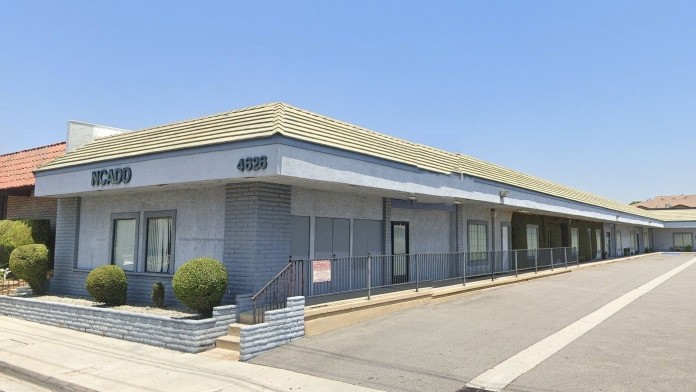
NCADD’s administrative office is at 4626 North Grand Avenue in Covina, serving the East San Gabriel and Pomona Valleys. The Cypress House sober living home, a 6 bed residence for men with 3 bedrooms and 2 bathrooms, is located right next to the office for seamless program access.
What Court Related Services Are Available?
NCADD offers tailored programming for AB109, PC1210, Prop 36, PC1000 and domestic violence requirements. DUI classes run 6 days a week, including evenings and weekends, with electronic DMV reporting for added convenience.
DUI services are described as affordable, with payment plans available and most major credit cards accepted. Prospective clients can reach out to NCADD directly to discuss program fees and options.
A Trusted Community Resource
NCADD in Covina combines decades of experience with practical, accessible recovery support for individuals and families across the region.
Explore NCADD’s programs to find the right starting point for lasting recovery.
Latest Reviews
Sadly I ended up here looking for help in anger management and parenting. And the counselors were amazing, great people. I learned a lot, mental health is an issue nowadays and I thank God for taking me to this place. Also, the ladies from the front desk were always super nice and helpful.
does what it supposed to do
It’s been over 8 years since I have been here last. By the grace of God I am 5 years and one month clean today. I can not speak on the current staffing other than for a young woman at the front desk named Adriana. I had to call today (needed some info on my old case) multiple time’s and ask several questions. Every time I called and spoke to her she was friendly, helpful and made me feel comfortable talking about my past when I try very hard to forget about it all together. I thank and appreciate her for that . As for my time spent there many years ago, I enjoyed it as much as one could . Looking back at it, I wasn’t ready to get clean yet but definitely gave it my first solid try while attending my classes. It’s like this, You get what YOU put in to it.

Rehab Score
 Our Methodology
Scoring is assigned by a proprietary system which helps surface key metrics that determine quality. The 10-point scale factors in categories such as operations, customer satisfaction, and trust metrics. Read Full Methodology

6.8 / 10
Gallery
Other Forms of Payment
Private insurance refers to any kind of healthcare coverage that isn't from the state or federal government. This includes individual and family plans offered by an employer or purchased from the Insurance Marketplace. Every plan will have different requirements and out of pocket costs so be sure to get the full details before you start treatment.
Self-pay involves paying for treatment out of your own pocket. You can use savings or credit, get a personal loan, or receive help from family and friends to fund your treatment. If you don't have insurance or your insurance plan doesn't cover a specific program, self-pay can help ensure you still get the care you need.
Military members, veterans, and eligible dependents have access to specific insurance programs that help them get the care they need. TRICARE and VA insurance can help you access low cost or no cost addiction and mental health treatment. Programs that accept military insurance often have targeted treatment focused on the unique challenges military members, veterans, and their families face.
Medicaid is a state based program that helps lower-income individuals and families pay for healthcare. Medicaid covers addiction treatment so those enrolled can use their coverage to pay for rehab. When a program accepts Medicaid the client often pays very little or nothing out of their own pocket.
Addiction Treatments
Levels of Care
Outpatient Programs (OP) are for those seeking mental rehab or drug rehab, but who also stay at home every night. The main difference between outpatient treatment (OP) and intensive outpatient treatment (IOP) lies in the amount of hours the patient spends at the facility. Most of the time an outpatient program is designed for someone who has completed an inpatient stay and is looking to continue their growth in recovery. Outpatient is not meant to be the starting point, it is commonly referred to as aftercare.
Intensive Outpatient Programs (IOP) are for those who want or need a very structured treatment program but who also wish to live at home and continue with certain responsibilities (such as work or school). IOP substance abuse treatment programs vary in duration and intensity, and certain outpatient rehab centers will offer individualized treatment programs.
Rehab aftercare programs offer clients in addiction recovery a robust continuum of care after clients have completed active treatment. These services address recovery as a life-long process and are designed to evolve with clients' changing needs. Clients may partner with their case managers and/or addiction recovery team to identify the rehab aftercare services that are right for them. They may receive career counseling, housing assistance, peer coaching, 12 step program induction, among many other services.
Sober Living Houses (SLHs), aka sober homes or halfway houses, are safe, substance-free, supportive living facilities for those recovering from substance abuse. Ideal for those who've just been through inpatient or outpatient treatment, SLHs are supervised environments with rules that support sobriety, such as curfews, shared chores, and therapeutic meetings. Residents are also often trained on life skills and coping skills to make it easier to transition into society. SLHs also provide a strong sense of community that can lead to the kind of deep and lasting connections with other sober individuals that supports a new, healthy lifestyle.
Treatments
The goal of treatment for alcoholism is abstinence. Those with poor social support, poor motivation, or psychiatric disorders tend to relapse within a few years of treatment. For these people, success is measured by longer periods of abstinence, reduced use of alcohol, better health, and improved social functioning. Recovery and Maintenance are usually based on 12 step programs and AA meetings.
Drug rehab in California teaches participants constructive ways to stay clean and sober. Treatment revolves around helping individuals stop using the substance they are addicted to and learn healthy habits to avoid relapse.
A combined mental health and substance abuse rehab has the staff and resources available to handle individuals with both mental health and substance abuse issues. It can be challenging to determine where a specific symptom stems from (a mental health issue or an issue related to substance abuse), so mental health and substance abuse professionals are helpful in detangling symptoms and keeping treatment on track.
Opioid rehabs specialize in supporting those recovering from opioid addiction. They treat those suffering from addiction to illegal opioids like heroin, as well as prescription drugs like oxycodone. These centers typically combine both physical as well as mental and emotional support to help stop addiction. Physical support often includes medical detox and subsequent medical support (including medication), and mental support includes in-depth therapy to address the underlying causes of addiction.
Programs
Adult rehab programs include therapies tailored to each client's specific needs, goals, and recovery progress. They are tailored to the specific challenges adult clients may face, including family and work pressures and commitments. From inpatient and residential treatment to various levels of outpatient services, there are many options available. Some facilities also help adults work through co-occurring conditions, like anxiety, that can accompany addiction.
Serving in the military is both mentally and physically challenging, and can result in trauma that persists even after combat ends. Military programs are tailored to the specific and often complex needs of active duty personnel, veterans, and military families. Clients often access these programs through the U.S. Department of Veterans Affairs (VA).
Clinical Services
Group therapy is any therapeutic work that happens in a group (not one-on-one). There are a number of different group therapy modalities, including support groups, experiential therapy, psycho-education, and more. Group therapy involves treatment as well as processing interaction between group members.
In individual therapy, a patient meets one-on-one with a trained psychologist or counselor. Therapy is a pivotal part of effective substance abuse treatment, as it often covers root causes of addiction, including challenges faced by the patient in their social, family, and work/school life.
Family therapy offers a platform for members to have an open dialogue about the challenges that addiction has placed on the family unit. Through guided sessions, therapists can help families develop healthy communication skills and address unresolved issues. By working together toward a common goal, they help to support their loved one's sobriety.
While in rehab treatment, you may work on developing various life skills to help you in long term recovery. These may include resilience, interpersonal skills, and self awareness. The focus will be on developing healthy habits for self care and relationships so you have the skills you need to manage day to day life.
Staff & Accreditations
Staff
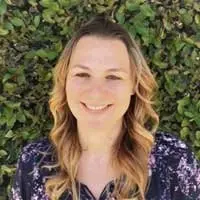
Bethany Ineson
Executive Director
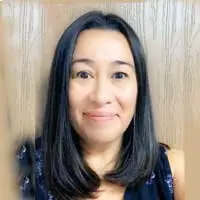
Lilia Oñate
Prevention Services Director
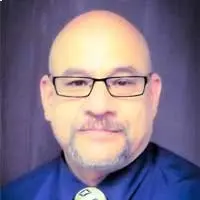
Everett Sosa
DUI Director
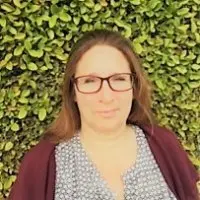
Dawn Alfonso
Covina Treatment Director

Richard Ojeda
Financial Director
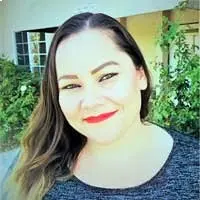
Mindie Flores
Pomona Site Director
Accreditations

The Substance Abuse and Mental Health Services Administration (SAMHSA) is a branch of the U.S. Department of Health and Human Services. Established in 1992 by congress, SAMHSA's mission is to reduce the impact of substance abuse and mental illness on American's communities.
SAMHSA Listed: Yes

State Licenses are permits issued by government agencies that allow rehab organizations to conduct business legally within a certain geographical area. Typically, the kind of program a rehab facility offers, along with its physical location, determines which licenses are required to operate legally.
State License: California
License Number: 355
Rehab.com regularly reviews this listing for accuracy but changes may occur between updates. For the most up-to-date information, please contact NCADD.
Contact Information

4626 North Grand Avenue
Covina, CA 91724
Get Help Now - 626-556-9383
Sponsored Helpline
Sponsored Helpline


