Tree House Recovery PDX
1
Top 10 Rehab Centers In Portland



















































































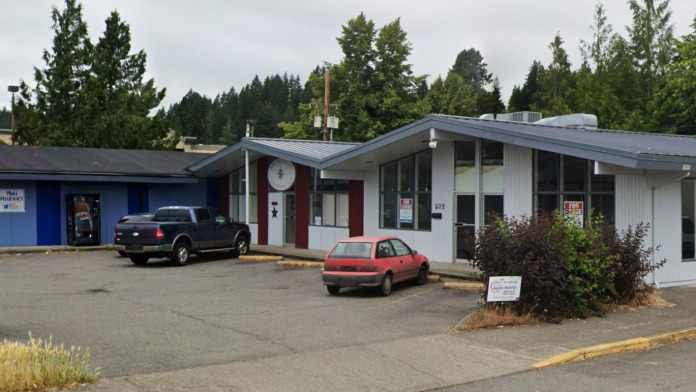
When you visit their office, you’ll meet directly with a state certified counselor to discuss your condition and review your recovery goals. Then, you’ll start going to counseling sessions, which can be on your own or in a group. They also hold educational classes that talk about issues relating to drugs and alcohol. If it seems like you might need a little more care, your counselor may refer you to an inpatient treatment facility.
One thing I like about this facility is that they offer several specialty programs for people who need extra help beyond standard counseling services. Some of their services include DUI evaluations, help with child custody cases, and a driver’s license reinstatement program.
While some former participants rank their time at this counseling center highly, others mention serious communication breakdowns with the staff members.



 Our Methodology


Private insurance refers to any kind of healthcare coverage that isn't from the state or federal government. This includes individual and family plans offered by an employer or purchased from the Insurance Marketplace. Every plan will have different requirements and out of pocket costs so be sure to get the full details before you start treatment.
Medicaid is a state based program that helps lower-income individuals and families pay for healthcare. Medicaid covers addiction treatment so those enrolled can use their coverage to pay for rehab. When a program accepts Medicaid the client often pays very little or nothing out of their own pocket.
Outpatient Programs (OP) are for those seeking mental rehab or drug rehab, but who also stay at home every night. The main difference between outpatient treatment (OP) and intensive outpatient treatment (IOP) lies in the amount of hours the patient spends at the facility. Most of the time an outpatient program is designed for someone who has completed an inpatient stay and is looking to continue their growth in recovery. Outpatient is not meant to be the starting point, it is commonly referred to as aftercare.
Inpatient rehab enables clients who are exiting detox or who are at an increased risk of relapse to focus on their recovery in a highly structured and supportive environment. Inpatient rehabs provide intensive clinical supervision and high-level treatment. Clients remain at the facility through the length of their program and typically receive multiple addiction counseling and education sessions per day. Holistic therapies, such as yoga, message, and meditation, may be used to relieve stress and ease discomfort.
The goal of treatment for alcoholism is abstinence. Those with poor social support, poor motivation, or psychiatric disorders tend to relapse within a few years of treatment. For these people, success is measured by longer periods of abstinence, reduced use of alcohol, better health, and improved social functioning. Recovery and Maintenance are usually based on 12 step programs and AA meetings.
Effective drug rehab in Washington integrates care for the whole person, offering comprehensive solutions to addiction. Treatment methods address mental, physical, and relational aspects of substance abuse.
Opioid rehabs specialize in supporting those recovering from opioid addiction. They treat those suffering from addiction to illegal opioids like heroin, as well as prescription drugs like oxycodone. These centers typically combine both physical as well as mental and emotional support to help stop addiction. Physical support often includes medical detox and subsequent medical support (including medication), and mental support includes in-depth therapy to address the underlying causes of addiction.
Substance rehabs focus on helping individuals recover from substance abuse, including alcohol and drug addiction (both illegal and prescription drugs). They often include the opportunity to engage in both individual as well as group therapy.
Adult rehab programs include therapies tailored to each client's specific needs, goals, and recovery progress. They are tailored to the specific challenges adult clients may face, including family and work pressures and commitments. From inpatient and residential treatment to various levels of outpatient services, there are many options available. Some facilities also help adults work through co-occurring conditions, like anxiety, that can accompany addiction.
Research clearly demonstrates that recovery is far more successful and sustainable when loved ones like family members participate in rehab and substance abuse treatment. Genetic factors may be at play when it comes to drug and alcohol addiction, as well as mental health issues. Family dynamics often play a critical role in addiction triggers, and if properly educated, family members can be a strong source of support when it comes to rehabilitation.
Group therapy is any therapeutic work that happens in a group (not one-on-one). There are a number of different group therapy modalities, including support groups, experiential therapy, psycho-education, and more. Group therapy involves treatment as well as processing interaction between group members.
In individual therapy, a patient meets one-on-one with a trained psychologist or counselor. Therapy is a pivotal part of effective substance abuse treatment, as it often covers root causes of addiction, including challenges faced by the patient in their social, family, and work/school life.
Rehab.com regularly reviews this listing for accuracy but changes may occur between updates. For the most up-to-date information, please contact New Directions Counseling.

506 West Franklin Street
Shelton, WA 98584
Sponsored Helpline

Worth every step. I was in need of help and help was what I got. The staff was helpful in many aspects of my recovery and gave fantastic guidance in my future plans. Obviously the majority of the work that needs to be done in recovery must come from us who seek it out. Even through the hard times I experienced in my own life, the New Directions team was always there to teach and guide me into a positive and sober mindset to keep me going. I learned a lot from the program and I have the ability to take that knowledge into the world as a happy and sober man. Lyle is absolutely an amazing guide on the road to recovery and I could not recommend him or the team enough!

Great experience, great counselors. This place can significantly improve your life if you're willing to put in the effort to make it happen.

New directions has been a wonderful experience it's changed my life from day one I've gotten my license in this program I've gotten a house from this program I've even changed my life and got 18 months out of this program everything in my life today they've helped me along the way thank you new directions and everything that you and all the tools that you've given me to work in my life today

Muy mal pésimo luguar solo quieren tu dinero y ocupan personal para que sigue funcionando . buscar otra evaluación en otro luguar sería lo mejor
 Back
Back
Sharing your insights and experiences can help others learn more about this rehab center.

 Written By: Courtney Myers
MS
Written By: Courtney Myers
MS