The staff is great they are very accommodating & go out of their way to help. My counselor is very helpful and brings the most amazing treats for all. It certainly makes the visit so much more enjoyable. Would certainly recommend
About New Start Clinics – Richland
New Start Clinics provides behavioral health therapies in Richland, Washington, to adults struggling with substance abuse. Insurance such as Medicaid and Medicare are accepted. They provide treatment packages that include induction of treatment, follow up visits and drug screenings. The packages are nonrefundable for those who don’t have insurance and are paying in cash.
Medication Treatment in Richland
They specialize in outpatient treatment for individuals dealing with opioid addiction. Their primary approach is medication assisted treatment (MAT). They utilize Suboxone, Vivitrol and Sublocade to alleviate your withdrawal symptoms and support recovery.
They use a holistic treatment model to provide a comprehensive approach that addresses both the emotional and physical aspects of addiction. What stood out to me is that they collaborate with your primary provider, counselors and your support system to develop your recovery plan.
Outdoor and Indoor Activities to Boost Your Recovery
Near the center are some fun attractions and activities you can check out. There are some fun outdoor and indoor activities you can partake in. Take in some of the history of the area at The REACH Museum. The museum showcases the local history and culture of the Tri-Cities.
Columbia Park offers beautiful views of the Columbia River. They have walking trails and picnic areas where you are able to relax and enjoy a peaceful afternoon.
Howard Amon Park is also nearby. It does have access to the Columbia River and seems to be a popular spot for outdoor activities. The park has a large green space that is wonderful for a picnic. It also offers walking paths and playgrounds.
The Hanford Reach National Monument is a short drive from the clinic. You can enjoy the natural landscape of the area, view the wildlife and go for a hike.

Latest Reviews
Rehab Score
Gallery
Accepted Insurance
Other Forms of Payment
Medicaid is a state based program that helps lower-income individuals and families pay for healthcare. Medicaid covers addiction treatment so those enrolled can use their coverage to pay for rehab. When a program accepts Medicaid the client often pays very little or nothing out of their own pocket.
Medicare is a federal program that provides health insurance for those 65 and older. It also serves people under 65 with chronic and disabling health challenges. To use Medicare for addiction treatment you need to find a program that accepts Medicare and is in network with your plan. Out of pocket costs and preauthorization requirements vary, so always check with your provider.
Military members, veterans, and eligible dependents have access to specific insurance programs that help them get the care they need. TRICARE and VA insurance can help you access low cost or no cost addiction and mental health treatment. Programs that accept military insurance often have targeted treatment focused on the unique challenges military members, veterans, and their families face.
Addiction Treatments
Levels of Care
Outpatient Programs (OP) are for those seeking mental rehab or drug rehab, but who also stay at home every night. The main difference between outpatient treatment (OP) and intensive outpatient treatment (IOP) lies in the amount of hours the patient spends at the facility. Most of the time an outpatient program is designed for someone who has completed an inpatient stay and is looking to continue their growth in recovery. Outpatient is not meant to be the starting point, it is commonly referred to as aftercare.
Residential treatment programs are those that offer housing and meals in addition to substance abuse treatment. Rehab facilities that offer residential treatment allow patients to focus solely on recovery, in an environment totally separate from their lives. Some rehab centers specialize in short-term residential treatment (a few days to a week or two), while others solely provide treatment on a long-term basis (several weeks to months). Some offer both, and tailor treatment to the patient's individual requirements.
Treatments
Opioid rehabs specialize in supporting those recovering from opioid addiction. They treat those suffering from addiction to illegal opioids like heroin, as well as prescription drugs like oxycodone. These centers typically combine both physical as well as mental and emotional support to help stop addiction. Physical support often includes medical detox and subsequent medical support (including medication), and mental support includes in-depth therapy to address the underlying causes of addiction.

Substance rehabs focus on helping individuals recover from substance abuse, including alcohol and drug addiction (both illegal and prescription drugs). They often include the opportunity to engage in both individual as well as group therapy.
Programs
Adult rehab programs include therapies tailored to each client's specific needs, goals, and recovery progress. They are tailored to the specific challenges adult clients may face, including family and work pressures and commitments. From inpatient and residential treatment to various levels of outpatient services, there are many options available. Some facilities also help adults work through co-occurring conditions, like anxiety, that can accompany addiction.
Clinical Services
In individual therapy, a patient meets one-on-one with a trained psychologist or counselor. Therapy is a pivotal part of effective substance abuse treatment, as it often covers root causes of addiction, including challenges faced by the patient in their social, family, and work/school life.

Staff
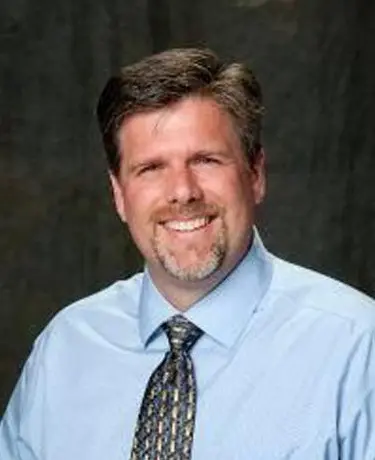
Eric Haeger
Medical Director
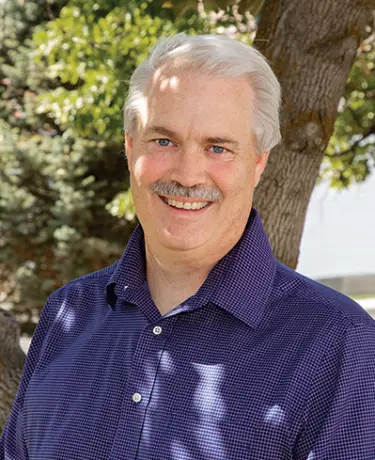
Hugh Thomas, MSN
Director
Contact Information
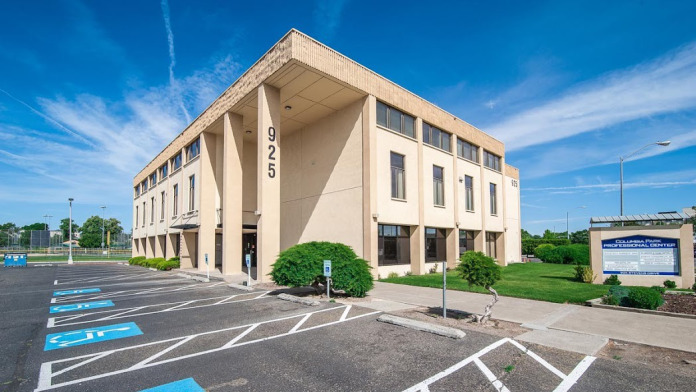
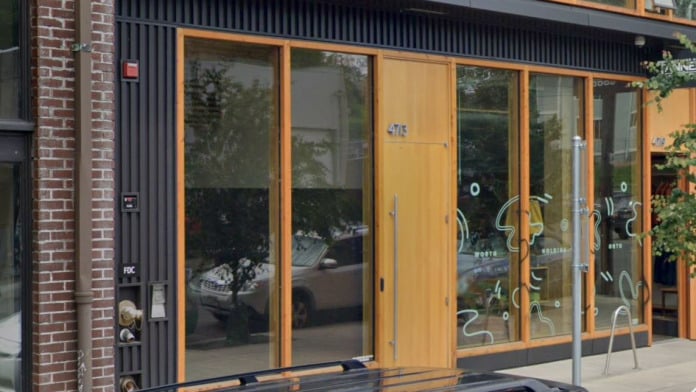
925 Stevens Dr
Suite 3D
Richland, WA 99352