Ashwood Recovery – Outpatient
1
Top 10 Rehab Centers In Boise



















































































Medication-Assisted Treatment involves the use of medications, in combination with counseling and behavioral therapies, to provide a “whole-patient” approach to the treatment of substance use disorders. When used with a strict follow-up program, studies have shown this model of care carries a success rate of over 40% compared to the national rate of 2%. This is a unique program designed for individual patients.


 Our Methodology


Medicare is a federal program that provides health insurance for those 65 and older. It also serves people under 65 with chronic and disabling health challenges. To use Medicare for addiction treatment you need to find a program that accepts Medicare and is in network with your plan. Out of pocket costs and preauthorization requirements vary, so always check with your provider.
Medicaid is a state based program that helps lower-income individuals and families pay for healthcare. Medicaid covers addiction treatment so those enrolled can use their coverage to pay for rehab. When a program accepts Medicaid the client often pays very little or nothing out of their own pocket.
Military members, veterans, and eligible dependents have access to specific insurance programs that help them get the care they need. TRICARE and VA insurance can help you access low cost or no cost addiction and mental health treatment. Programs that accept military insurance often have targeted treatment focused on the unique challenges military members, veterans, and their families face.
Outpatient Programs (OP) are for those seeking mental rehab or drug rehab, but who also stay at home every night. The main difference between outpatient treatment (OP) and intensive outpatient treatment (IOP) lies in the amount of hours the patient spends at the facility. Most of the time an outpatient program is designed for someone who has completed an inpatient stay and is looking to continue their growth in recovery. Outpatient is not meant to be the starting point, it is commonly referred to as aftercare.
Residential treatment programs are those that offer housing and meals in addition to substance abuse treatment. Rehab facilities that offer residential treatment allow patients to focus solely on recovery, in an environment totally separate from their lives. Some rehab centers specialize in short-term residential treatment (a few days to a week or two), while others solely provide treatment on a long-term basis (several weeks to months). Some offer both, and tailor treatment to the patient's individual requirements.
Opioid rehabs specialize in supporting those recovering from opioid addiction. They treat those suffering from addiction to illegal opioids like heroin, as well as prescription drugs like oxycodone. These centers typically combine both physical as well as mental and emotional support to help stop addiction. Physical support often includes medical detox and subsequent medical support (including medication), and mental support includes in-depth therapy to address the underlying causes of addiction.
Substance rehabs focus on helping individuals recover from substance abuse, including alcohol and drug addiction (both illegal and prescription drugs). They often include the opportunity to engage in both individual as well as group therapy.
Adult rehab programs include therapies tailored to each client's specific needs, goals, and recovery progress. They are tailored to the specific challenges adult clients may face, including family and work pressures and commitments. From inpatient and residential treatment to various levels of outpatient services, there are many options available. Some facilities also help adults work through co-occurring conditions, like anxiety, that can accompany addiction.
Group therapy is any therapeutic work that happens in a group (not one-on-one). There are a number of different group therapy modalities, including support groups, experiential therapy, psycho-education, and more. Group therapy involves treatment as well as processing interaction between group members.
In individual therapy, a patient meets one-on-one with a trained psychologist or counselor. Therapy is a pivotal part of effective substance abuse treatment, as it often covers root causes of addiction, including challenges faced by the patient in their social, family, and work/school life.
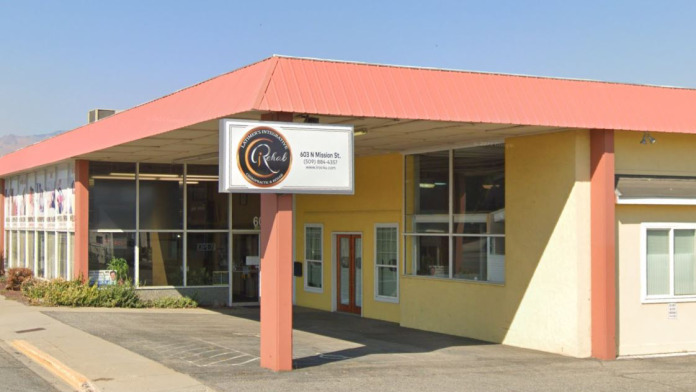
Rehab.com regularly reviews this listing for accuracy but changes may occur between updates. For the most up-to-date information, please contact New Start Clinics – Wenatchee.

603 N Mission St
Wenatchee, WA 98801
Sponsored Helpline

I've dealt with new start for years. It's definitely hit or miss. They've messed up my prescriptions before leaving me in withdrawal for almost a week. They've promised call backs to help if I can't make an appointment then fail to do so leaving me high and dry. Don't promise something that you can't deliver. Yes, the staff is super friendly and great when you're there. But everything is at the convenience of the staff too so don't expect them to be reliable or actually follow through. Yes, I'm grateful for what they do provide. I'm just being honest with my experience here overall.

Literal Super Heroes to me, the staff and the medication helped me break the endless living hell that is heroin addiction. Thanks to these guys I no longer wake up wishing that I hadn't woke up and that's no joke. The staff here are the most friendly people you could ever meet, no judgement from them, they just truly want to help people. There's nobody in the world that I respect more than the people who work at New Start Clinic. I have been off heroin for 6 years now and I couldn't have done it without them. If you are on the fence about getting medication to stop opiod dependency, and wanting to change your life out of the depressing spiral of drug addiction, I would 1000% recommend coming here, free with state insurance, very cool and non judgmental people that will work with you not because it's their job but because they want to help people improve their life. Thank you New Start Clinic, you guys will always hold a special place in my heart.

If you want to change your life for the better. This is an excellent place to go. Staff is caring and helpful in fulfilling your desire for changes in your quality of life for yourself. Would definitely recommend!

 Back
Back
Sharing your insights and experiences can help others learn more about this rehab center.