My first appointment at PAR was on 4/24/2017 at 6:30am, and that was the day my life changed for the better. I wish I would have never listened to everyone around me all those years that talked negative about the place and just went, I could have saved myself and my family ...
About Operation PAR Inc
For over 50 years, Operation PAR has had a comprehensive approach to substance abuse treatment while offering affordable and high quality care. This is why this rehab center is one of the best in the state. As a client focused and science based addiction treatment center open to all patients, including men, women, the disabled, and the LGBTQ+ community, there are a few programs on offer. Some of these include:
The Women’s Services Program at Operation PAR is custom tailored to meet the needs of each individual. This program provides holistic services to treat addiction and has served women locally since 1985. Some of the specialized services offered by this program include parenting classes and pregnancy preparation classes, family therapy for women and children, and educational and vocational opportunities.
At Operation PAR, this outpatient program provides opportunities for those with co-occurring mental health illnesses and substance abuse disorders to address their addictions in an outpatient setting.
The OP also provides random drug screening and group and individual counseling to prevent relapses. However, this OP is only suitable for those who don’t require medical detoxification. A few of the services individuals can expect to include life management skills, psychiatric evaluations, family counseling, HIV and hepatitis risk education, psychosocial assessments, and psychosocial screenings.
Those addicted to opioids like heroin, pain pills, and oxycontin can seek addiction treatment at Operation PAR. This addiction treatment center provides medication assisted patient services through methadone detox, Buprenorphine maintenance, and methadone maintenance. Those who qualify for this program receive a physical examination with laboratory workups, regular counseling, in depth assessments, and individualized treatment planning.
The length of stay for the residential inpatient treatment program at Operation PAR varies. Individuals enrolling in this treatment option will get drug screen monitoring, recreational activities, art therapy, case management, vocational education, gender specific and individual counseling, behavioral modification, and anger management classes.

Latest Reviews
Rehab Score
Gallery
Other Forms of Payment
Self-pay involves paying for treatment out of your own pocket. You can use savings or credit, get a personal loan, or receive help from family and friends to fund your treatment. If you don't have insurance or your insurance plan doesn't cover a specific program, self-pay can help ensure you still get the care you need.
Sliding scale payments are based on a client's income and family size. The goal is to make treatment affordable to everyone. By taking these factors into account, addiction recovery care providers help ensure that your treatment does not become a financial burden to you or your family, eliminating one barrier to care.
Medicaid is a state based program that helps lower-income individuals and families pay for healthcare. Medicaid covers addiction treatment so those enrolled can use their coverage to pay for rehab. When a program accepts Medicaid the client often pays very little or nothing out of their own pocket.
Addiction Treatments
Levels of Care
Outpatient Programs (OP) are for those seeking mental rehab or drug rehab, but who also stay at home every night. The main difference between outpatient treatment (OP) and intensive outpatient treatment (IOP) lies in the amount of hours the patient spends at the facility. Most of the time an outpatient program is designed for someone who has completed an inpatient stay and is looking to continue their growth in recovery. Outpatient is not meant to be the starting point, it is commonly referred to as aftercare.
Rehab aftercare programs are a collection of highly individualized services designed to promote long-term recovery. These services evolve as your needs change. Case managers and recovery teams typically begin formulating the rehab aftercare service plan early in the recovery process to facilitate your reintegration back into the home, workplace, and community.
12-step programs are addiction recovery models based on Alcoholics Anonymous (AA). A number of substance abuse programs (including some drug and alcohol rehab centers) use the 12 steps as a basis for treatment. Beginning steps involve admitting powerlessness over the addiction and creating a spiritual basis for recovery. Middle steps including making direct amends to those who've been hurt by the addiction, and the final step is to assist others in addiction recovery in the same way. 12-Step offshoots including Narcotics Anonymous (NA), Cocaine Anonymous (CA), Dual Recovery Anonymous (DRA), Sex and Love Addicts Anonymous (SLAA) and Gamblers Anonymous (GA).

Drug and alcohol addiction often takes a heavy toll on one's body. Over time, a physical dependence can develop, meaning the body physiologically needs the substance to function. Detox is the process of removing drugs and/or alcohol from the body, a process that can be lethal if mismanaged. Medical detox is done by licensed medical professionals who monitor vital signs and keep you safe, healthy, and as comfortable as possible as you go through detox and withdrawal.

Treatments
Opioid rehabs specialize in supporting those recovering from opioid addiction. They treat those suffering from addiction to illegal opioids like heroin, as well as prescription drugs like oxycodone. These centers typically combine both physical as well as mental and emotional support to help stop addiction. Physical support often includes medical detox and subsequent medical support (including medication), and mental support includes in-depth therapy to address the underlying causes of addiction.
Substance rehabs focus on helping individuals recover from substance abuse, including alcohol and drug addiction (both illegal and prescription drugs). They often include the opportunity to engage in both individual as well as group therapy.
Programs
Adult rehab programs include therapies tailored to each client's specific needs, goals, and recovery progress. They are tailored to the specific challenges adult clients may face, including family and work pressures and commitments. From inpatient and residential treatment to various levels of outpatient services, there are many options available. Some facilities also help adults work through co-occurring conditions, like anxiety, that can accompany addiction.
Recovery is most successful when clients feel accepted and validated by their peers and treatment providers. Facilities that offer LGBTQ-inclusive programming are committed to creating a safe space where everyone can grow and recover without fear of judgment or discrimination. They will have dedicated policies in place to create a safe and supportive environment that fosters free expression.

Serving in the military is both mentally and physically challenging, and can result in trauma that persists even after combat ends. Military programs are tailored to the specific and often complex needs of active duty personnel, veterans, and military families. Clients often access these programs through the U.S. Department of Veterans Affairs (VA).
Clinical Services
Therapists who apply cognitive behavioral therapy in Florida believe patient thoughts and behaviors are closely linked. They use this treatment method to help clients change their thought patterns so they can also change behaviors and break free from substance abuse.
As a short term therapeutic method, motivational interviewing in Florida requires only a couple of sessions. During these sessions, you'll have the opportunity to talk about your circumstances and any discrepancies between your current situation and future goals. You'll then decide for yourself what changes you want to make.
Amenities
-
Private Setting
Staff & Accreditations
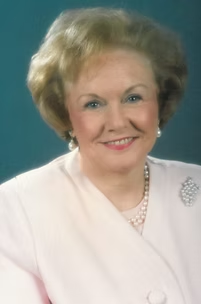
Staff
Shirley Coletti
Founder and Mentor
Accreditations
The Commission on Accreditation of Rehabilitation Facilities (CARF) is a non-profit organization that specifically accredits rehab organizations. Founded in 1966, CARF's, mission is to help service providers like rehab facilities maintain high standards of care.
CARF Accreditation: Yes
Contact Information
1245 Kass Circle
Spring Hill, FL 34606