





























































































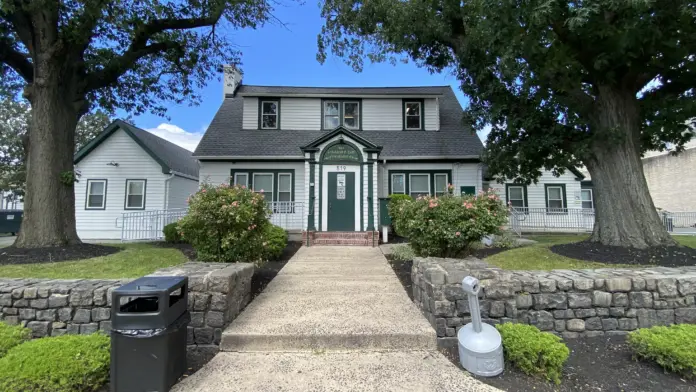
About Organization For Recovery
Organization for Recovery in Plainfield, New Jersey, offers holistic outpatient addiction care for substance use disorders, including medication assisted treatment (MAT) using methadone and buprenorphine. They’ve been operational since 1997 and treat adults.
The facility accepts Medicaid along with cash or self payment options. A sliding fee scale is available to uninsured clients who are eligible, based on requirements such as income, household size and other qualifying factors.
Inclusive Addiction Treatment
This program serves adults who are struggling with substance abuse issues, particularly those experiencing opioid dependencies. Clients referred by the court system and through state agencies with mandated treatment needs are welcomed.
They have a night outpatient program for those with busy day schedules. This track might be suitable for those who don’t require MAT and need extra assistance for dealing with anger or other emotions.
Family Centered Care
Alongside MAT, Organization for Recovery employs evidence-based counseling techniques featuring individual and group therapy, ongoing aftercare programs and relapse prevention education. A strong emphasis is placed on family support as an integral part of the recovery process.
Comprehensive Services
In addition to addiction treatment, the facility’s comprehensive array of services is impressive to me. Organization for Recovery offers individual assessments, personalized treatment planning and progress reviews. The facility is dedicated to providing culturally sensitive programming as well, with bilingual staff on hand for clients from diverse backgrounds.
Multiple patient reviews praise the professionalism and compassion of the staff. Many clients credit the program with helping them achieve and maintain long term sobriety.
Central Location Near Plainfield Public Library
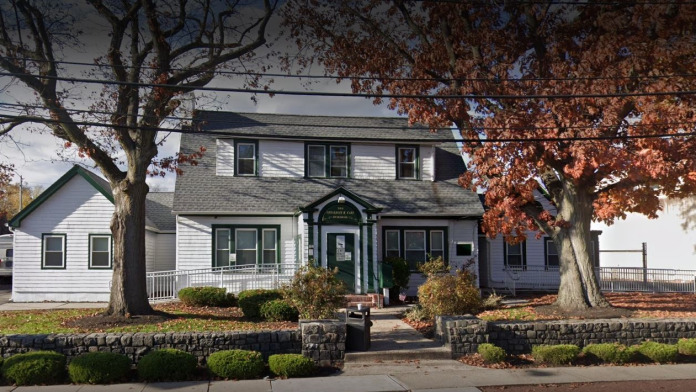
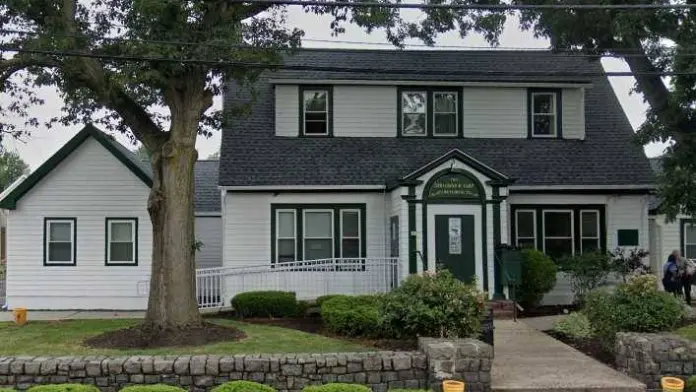
The facility is centrally located in Plainfield, with easy access to restaurants, shopping and community resources like the Plainfield Public Library. Cedar Brook Park is just a short distance away, allowing for quiet reflection during breaks in outpatient treatment.
Latest Reviews



Rehab Score
 Our Methodology


Gallery
Other Forms of Payment
Self-pay involves paying for treatment out of your own pocket. You can use savings or credit, get a personal loan, or receive help from family and friends to fund your treatment. If you don't have insurance or your insurance plan doesn't cover a specific program, self-pay can help ensure you still get the care you need.
Medicaid is a state based program that helps lower-income individuals and families pay for healthcare. Medicaid covers addiction treatment so those enrolled can use their coverage to pay for rehab. When a program accepts Medicaid the client often pays very little or nothing out of their own pocket.
Sliding scale payments are based on a client's income and family size. The goal is to make treatment affordable to everyone. By taking these factors into account, addiction recovery care providers help ensure that your treatment does not become a financial burden to you or your family, eliminating one barrier to care.
Medicare is a federal program that provides health insurance for those 65 and older. It also serves people under 65 with chronic and disabling health challenges. To use Medicare for addiction treatment you need to find a program that accepts Medicare and is in network with your plan. Out of pocket costs and preauthorization requirements vary, so always check with your provider.
Addiction Treatments
Levels of Care
Outpatient Programs (OP) are for those seeking mental rehab or drug rehab, but who also stay at home every night. The main difference between outpatient treatment (OP) and intensive outpatient treatment (IOP) lies in the amount of hours the patient spends at the facility. Most of the time an outpatient program is designed for someone who has completed an inpatient stay and is looking to continue their growth in recovery. Outpatient is not meant to be the starting point, it is commonly referred to as aftercare.
Intensive Outpatient Programs (IOP) are for those who want or need a very structured treatment program but who also wish to live at home and continue with certain responsibilities (such as work or school). IOP substance abuse treatment programs vary in duration and intensity, and certain outpatient rehab centers will offer individualized treatment programs.
Telehealth is a real-time communication between you and your physician via telecommunications equipment. This might involve a video call, phone call, or medical app. It may also include the transmission of medical information via sharing technology.
Treatments
You can find comprehensive substance abuse treatment in New Jersey in drug and alcohol rehabs. These treatment programs typically provide a full continuum of care including medically assisted detox, inpatient, outpatient, dual-diagnosis, and intensive outpatient. With a comprehensive substance abuse evaluation, addiction experts provide individualized treatment plans to meet your specific needs. These programs address substance use disorders using evidence-based therapies, like cognitive behavioral therapy (CBT) and dialectical behavioral therapy (DBT), individual and family counseling, and recovery support groups.
Drug rehab in New Jersey is the process of addressing the complex issues involved with addiction. Challenges are identified and addressed through individual and group counseling. Participants learn how to manage these issues without the use of substances.
Many of those suffering from addiction also suffer from mental or emotional illnesses like schizophrenia, bipolar disorder, depression, or anxiety disorders. Rehab and other substance abuse facilities treating those with a dual diagnosis or co-occurring disorder administer psychiatric treatment to address the person's mental health issue in addition to drug and alcohol rehabilitation.
Opioid rehabs specialize in supporting those recovering from opioid addiction. They treat those suffering from addiction to illegal opioids like heroin, as well as prescription drugs like oxycodone. These centers typically combine both physical as well as mental and emotional support to help stop addiction. Physical support often includes medical detox and subsequent medical support (including medication), and mental support includes in-depth therapy to address the underlying causes of addiction.
Programs
Adult rehab programs include therapies tailored to each client's specific needs, goals, and recovery progress. They are tailored to the specific challenges adult clients may face, including family and work pressures and commitments. From inpatient and residential treatment to various levels of outpatient services, there are many options available. Some facilities also help adults work through co-occurring conditions, like anxiety, that can accompany addiction.
Clinical Services
Group therapy is any therapeutic work that happens in a group (not one-on-one). There are a number of different group therapy modalities, including support groups, experiential therapy, psycho-education, and more. Group therapy involves treatment as well as processing interaction between group members.
In individual therapy, a patient meets one-on-one with a trained psychologist or counselor. Therapy is a pivotal part of effective substance abuse treatment, as it often covers root causes of addiction, including challenges faced by the patient in their social, family, and work/school life.
Trauma therapy provides a structure to approach healing from past traumatic events that you may have witnessed or experienced. Your therapist will work with you to identify and process these memories. This helps promote a sense of safety and stability and helps you heal emotionally.
Cognitive behavioral therapy (CBT) in New Jersey typically follows a set structure of treatment. The therapist helps clients identify their life challenges and their thoughts surrounding those challenges. The client then learns to identify unhealthy thought patterns and reshape those into healthy patterns of thinking and behavior.
Building life skills allows you to demolish negative patterns of behavior and build new, healthy patterns. By building new thought processes, coping strategies, and behaviors, you establish a solid foundation for recovery.
Motivational interviewing helps clients find their motivation to change. It can be an effective method to work with clients who are angry or hostile or feel insecure about their ability to make changes in their lives. It is often used during addiction treatment or to manage physical health conditions.
Recreational therapy is a dynamic approach to addiction treatment in New Jersey. It integrates activities like music therapy, team sports, and gardening so you have a therapeutic outlet for your emotions and stress. This improves your physical and mental health and helps you develop new skills to support a sober lifestyle.
Amenities
-
 Private Setting
Accreditations

The Substance Abuse and Mental Health Services Administration (SAMHSA) is a branch of the U.S. Department of Health and Human Services. Established in 1992 by congress, SAMHSA's mission is to reduce the impact of substance abuse and mental illness on American's communities.
SAMHSA Listed: Yes

The Commission on Accreditation of Rehabilitation Facilities (CARF) is a non-profit organization that specifically accredits rehab organizations. Founded in 1966, CARF's, mission is to help service providers like rehab facilities maintain high standards of care.
CARF Accreditation: Yes

LegitScript has reviewed Organization For Recovery as part of their certification program, and has determined that it meets the LegitScript standards for legality, safety and transparency.
LegitScript verified in
Rehab.com regularly reviews this listing for accuracy but changes may occur between updates. For the most up-to-date information, please contact Organization For Recovery.
Contact Information


519 North Avenue
Plainfield, NJ 07060
Sponsored Helpline



