






























































































The ARC help me get my restore my life. Obviously it's not an easy process but they restore my faith! I can't think of a better place to seek professional care.
About Salvation Army Adult Rehab Center
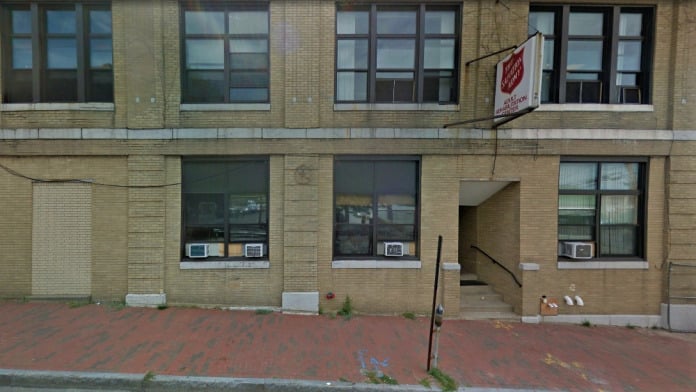
Salvation Army Adult Rehab Center is a residential addiction treatment program in Portland, Maine, serving adult men at no cost regardless of insurance status. The program combines work therapy, individual counseling, group counseling, and spiritual care within a structured live-in environment at 88 Preble Street. It is one of the few free residential options available through men’s rehab programs in the region, making it a practical choice for men without financial resources for private treatment.
Work Therapy and Peer Support
The Salvation Army Adult Rehab Center uses a work therapy model in which residents contribute to Salvation Army operations as a structured part of their recovery. This approach provides a sense of routine and accomplishment while helping participants build practical job skills for life after treatment. Alongside the work component, residents receive individual and group counseling to address the underlying factors that contribute to substance use.
The residential setting also fosters a strong peer support community. Men in the program share the experience of structured daily life, creating bonds that can extend well beyond their time in treatment.
Faith-Based Recovery in Portland
As a Salvation Army program, spiritual care is woven throughout the treatment experience. Residents participate in faith-based addiction treatment that includes spiritual counseling and services grounded in Christian principles. This integrated approach is suited to individuals who want recovery support that addresses spiritual wellbeing alongside physical and behavioral health.
Location and Cost
Salvation Army Adult Rehab Center is located on Preble Street in Portland, Maine. The program accepts men at no charge, providing housing, meals, and addiction treatment without requiring insurance, Medicaid, or Medicare. Prospective residents or their families can contact the center directly to learn about current availability and the intake process.
Latest Reviews
Went to the Salvation Army right after receiving a calling from the Lord to follow Him while incarcerated. God used the Portland ARC to shepherd and led me deeper into my faith. Once a man lost in opiate, meth, and sexual immorality. I never thought I would escape this cyclical pattern of incarceration illegal activity and addiction now redeemed and a Servant Leader (mentor) at a neighboring Ministry. God desires to move in your life, you just need to desire to stop living for your own selfish desires. Matthew 16:25 "For whoever wants to save their life will lose it, but whoever loses their life for me will find it." God is the divine creator not a cosmic killjoy, he gave you your innermost desires because he wants to fulfill them, you just need to stop living for them and live for Him. On our own our once good desires become over-desires and we twist the light in them because it becomes "all about me" and there is no love in that. Start living for God and you will be amazed at what he does with your life.
Great place
Gave me a new start. I am succeeding. I am thankful

Rehab Score
 Our Methodology
Scoring is assigned by a proprietary system which helps surface key metrics that determine quality. The 10-point scale factors in categories such as operations, customer satisfaction, and trust metrics. Read Full Methodology

6.2 / 10
Gallery
Other Forms of Payment
 Free
FreeAddiction Treatments
Levels of Care
Outpatient rehabs provide a wide range of programs, services, and treatment schedules to accommodate clients' unique and evolving needs. Many outpatient treatment centers offer evening, night, and weekend services to accommodate clients' work and home schedules. Clients in outpatient treatment typically engage in multiple counseling sessions weekly, including group and family therapy. Many facilities also prioritize recovery-focused life skills training to support clients' sustained sobriety and successful community reintegration. Medication assisted treatment (MAT) is also prevalent in outpatient care.
Clients entering inpatient rehab can expect to engage in intensive daily treatment, focusing principally on addiction counseling. Inpatient programs generally offer a range of psychotherapeutic options, including CBT, DBT, RBT, and motivational interviewing. Many also prioritize group and family counseling as well as one-on-one therapy. Many inpatient programs also include extensive addiction education and evidence-based holistic therapies, such as meditation and creative arts therapy.
Intensive outpatient programs (IOP) enable clients to remain in or return to their community while receiving high-level treatment. Most rehabs offering intensive outpatient treatment require clients to commit to a minimum of nine therapeutic hours per week, though clients who need more robust care often receive up to 20 hours of service weekly. Treatment modalities vary, but generally include psychotherapy, recovery education, evidence-based holistic therapies, and medication assisted treatment (MAT) for alcohol and/or opioid addiction.
As a form of outpatient rehabilitation, a partial hospitalization program (PHP) is a flexible option that integrates various therapeutic approaches, including medication management, individual and group therapy, and other behavioral therapy interventions. A partial hospitalization program can be an alternative to inpatient hospitalization or a "step-down" from a residential program. PHP treatment is less costly and is often covered by insurance. The length of the program can vary depending on your specific needs, typically averaging 90 days.
24-hour clinical care in Maine provides rehab clients with a more comfortable detox experience. This can lead to better recovery outcomes. Under this care, clients receive treatment for withdrawal symptoms as well as assistance with mental health disorders. This treatment may include medications, nutritional supplements, and professional counseling to address health issues, addiction issues, and co-occurring disorders.
Medical detox is the process of removing addictive substances from your body while under medical supervision. Quitting alcohol and drugs on your own can cause uncomfortable and even dangerous side effects. In a medically supervised detox, licensed medical professionals monitor you 24/7 to help keep you as safe and comfortable as possible. The process is highly individualized to fit your specific needs, but the medical detox generally takes 5-7 days.
Treatments
The goal of treatment for alcoholism is abstinence. Those with poor social support, poor motivation, or psychiatric disorders tend to relapse within a few years of treatment. For these people, success is measured by longer periods of abstinence, reduced use of alcohol, better health, and improved social functioning. Recovery and Maintenance are usually based on 12 step programs and AA meetings.
Drug rehab in Maine is the process of helping someone learn how to live without the use of substances. Professional staff provide treatment to address the various issues of addiction. Methods often involve medication, counseling, and evidence-based therapies.
Opioid rehabs specialize in supporting those recovering from opioid addiction. They treat those suffering from addiction to illegal opioids like heroin, as well as prescription drugs like oxycodone. These centers typically combine both physical as well as mental and emotional support to help stop addiction. Physical support often includes medical detox and subsequent medical support (including medication), and mental support includes in-depth therapy to address the underlying causes of addiction.
Substance rehabs focus on helping individuals recover from substance abuse, including alcohol and drug addiction (both illegal and prescription drugs). They often include the opportunity to engage in both individual as well as group therapy.
Programs
Adult rehab programs include therapies tailored to each client's specific needs, goals, and recovery progress. They are tailored to the specific challenges adult clients may face, including family and work pressures and commitments. From inpatient and residential treatment to various levels of outpatient services, there are many options available. Some facilities also help adults work through co-occurring conditions, like anxiety, that can accompany addiction.
Recovery is most successful when clients feel accepted and validated by their peers and treatment providers. Facilities that offer LGBTQ-inclusive programming are committed to creating a safe space where everyone can grow and recover without fear of judgment or discrimination. They will have dedicated policies in place to create a safe and supportive environment that fosters free expression.
Men face specific challenges and concerns when seeking addiction treatment. Gender-specific recovery programs help them tackle these issues head-on in an environment that's focused, targeted, and distraction-free. It also gives them the opportunity to connect with and learn from other men who have been through a similar journey and can offer support for the next step.
Clinical Services
Group therapy is any therapeutic work that happens in a group (not one-on-one). There are a number of different group therapy modalities, including support groups, experiential therapy, psycho-education, and more. Group therapy involves treatment as well as processing interaction between group members.
In individual therapy, a patient meets one-on-one with a trained psychologist or counselor. Therapy is a pivotal part of effective substance abuse treatment, as it often covers root causes of addiction, including challenges faced by the patient in their social, family, and work/school life.
The therapist engaged in family therapy work with all family members to understand the impact addiction has had on the family unit and individual members. They help develop collective strategies for recovery and facilitate open discussions to help families build resilience and improve interactions. This helps to support their loved one's path to recovery.
Life skills trainings involve all the skills a person must have in order to function successfully in the world. These include time management, career guidance, money management, and effective communication. Truly successful addiction recovery is based on the ability to not only live substance-free, but to thrive. Life skills teaches the practical necessities of functioning in society, which sets clients up for success in life, and therefore sobriety.
Recreational therapy (aka therapeutic recreation) uses creative and fun activities to help with addiction recovery. Recreational therapists lead patients in entertaining and engaging activities like sports or games; art (drawing, painting, sculpture); drama, music, and dance; and/or community outings (field trips) to improve patients' physical, social, and emotional well-being.
Amenities
-
 Residential Setting
 -
 Private Rooms
Rehab.com regularly reviews this listing for accuracy but changes may occur between updates. For the most up-to-date information, please contact Salvation Army Adult Rehab Center.
Contact Information

88 Preble Street
Portland, ME 04101
Get Help Now - 207-805-9392
Sponsored Helpline
Sponsored Helpline



