





























































































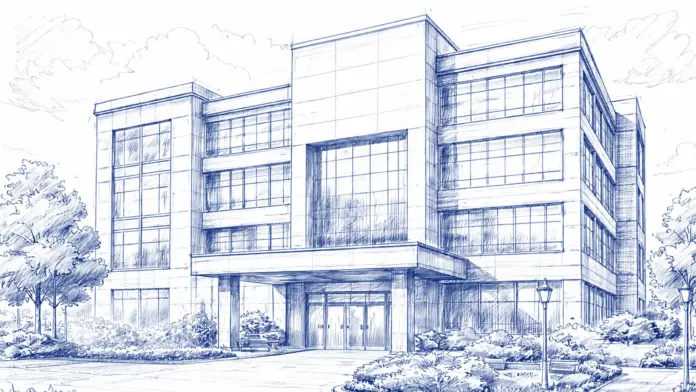
About Precise Psychological and Addiction Services
Precise Psychological and Addiction Services is an outpatient addiction treatment provider in Wilmington, North Carolina offering psychologist led mental health care and addiction counseling.
Services include outpatient counseling for substance use and dual diagnosis therapy as well as substance use assessments, DWI evaluations, and gambling counseling.
What kinds of addiction treatment are offered?
The practice provides outpatient counseling for adults and teens with substance use disorders along with substance use evaluations, co-occurring therapy, and behavioral addiction counseling including gambling support.
Care draws primarily on cognitive behavioral therapy and motivational interviewing, with ACT and DBT skills used as needed. Family or couples therapy may be included, though group therapy is not offered.
Who can get help here?
Precise Psychological and Addiction Services works with adults and teens facing substance use disorders, and specializes in dual diagnosis where addiction and mental health needs are treated together.
Named focus areas include co-dependency and ADHD, depression and diagnostic concerns, and gambling-related problems.
Where is the practice located?
The office is on Wrightsville Avenue in Wilmington, North Carolina. Both in-office and virtual appointments are available to clients across the state.
Do you take insurance or self-pay?
In-network insurers include Blue Cross Blue Shield, Cigna/Evernorth, Aetna, and United Healthcare. Self-pay rates start at $225 for an initial therapy appointment and $175 per client session with Good Faith Estimates discussed upfront. NC Medicaid is no longer in network.

Rehab Score
 Our Methodology


Location
Accepted Insurance
Other Forms of Payment
Private insurance refers to any kind of healthcare coverage that isn't from the state or federal government. This includes individual and family plans offered by an employer or purchased from the Insurance Marketplace. Every plan will have different requirements and out of pocket costs so be sure to get the full details before you start treatment.
Self-pay involves paying for treatment out of your own pocket. You can use savings or credit, get a personal loan, or receive help from family and friends to fund your treatment. If you don't have insurance or your insurance plan doesn't cover a specific program, self-pay can help ensure you still get the care you need.
Addiction Treatments
Levels of Care
Clients who are exiting detox or stepping down from intensive inpatient care typically transition directly into outpatient treatment. Outpatient programs are designed to allow clients to either re-enter or remain in their communities while receiving robust, personalized care. Many facilities offer evening, night, or weekend services to accommodate clients' home and work schedules. The most common outpatient treatment modalities include psychotherapy, recovery-focused life skills training, and medication assisted treatment (MAT).
Treatments
North Carolina offers substance abuse treatment programs that provide a holistic and evidence-based approach. Through a comprehensive mental health assessment, addiction experts can provide an individualized care plan specific to your needs. You can expect most rehabs programs to provide individual and group therapy, recovery meetings, and evidence-based therapies such as cognitive-behavioral therapy (CBT). Depending on your circumstances and severity of addiction, you may need more intensive care. Levels of care include outpatient, residential inpatient, intensive outpatient, and partial hospitalization. By choosing the right level of care, you're more likely to succeed in long-term recovery.
In North Carolina, dual-diagnosis addiction treatment programs focus on providing integrated care for individuals with co-occurring substance use disorders and mental health diagnoses. You can generally expect a range of programs, including intensive outpatient, inpatient residential, and partial hospitalization options. Therapies like cognitive-behavioral therapy (CBT), dialectical behavior therapy (DBT), trauma-informed therapy, and family therapy address both disorders and promote mental health and well-being, giving you the tools to sustain long-term recovery.
Drug and alcohol rehab programs that simultaneously treat mental health disorders are known as dual diagnosis centers. The specialized programs recognize that mental health conditions affect the whole person - physical, emotional, and spiritual. That's why mental health is at the center of many different dual diagnosis therapies, including individual and group therapy, cognitive behavioral therapy (CBT), trauma therapy, family support therapy, and more.
Programs
Adult rehab programs include therapies tailored to each client's specific needs, goals, and recovery progress. They are tailored to the specific challenges adult clients may face, including family and work pressures and commitments. From inpatient and residential treatment to various levels of outpatient services, there are many options available. Some facilities also help adults work through co-occurring conditions, like anxiety, that can accompany addiction.
Clinical Services
Clients who receive cognitive behavioral therapy in North Carolina typically attend five to 20 sessions. During this time, they work with their therapist to learn healthier patterns of thinking, which can help them change their behavior related to substance use.
If you're struggling with insecurity about your ability to make changes in your life, motivational interviewing in North Carolina could be a good solution. This type of therapy offers support and empowerment to help you explore your options and decide how to move forward with positive changes.
Counseling that applies dialectical behavior therapy teaches you coping skills to apply to your daily life. The focus is on intense emotions and developing coping mechanisms to manage them. Therapy sessions are a series of teaching lessons that help you develop these coping skills.
Accreditations

State Licenses are permits issued by government agencies that allow rehab organizations to conduct business legally within a certain geographical area. Typically, the kind of program a rehab facility offers, along with its physical location, determines which licenses are required to operate legally.
State License: North Carolina
Rehab.com regularly reviews this listing for accuracy but changes may occur between updates. For the most up-to-date information, please contact Precise Psychological and Addiction Services.
Contact Information


4701 Wrightsville Ave Bldg 1 Unit D-4, Wilmington, NC 28403
Sponsored Helpline


