





























































































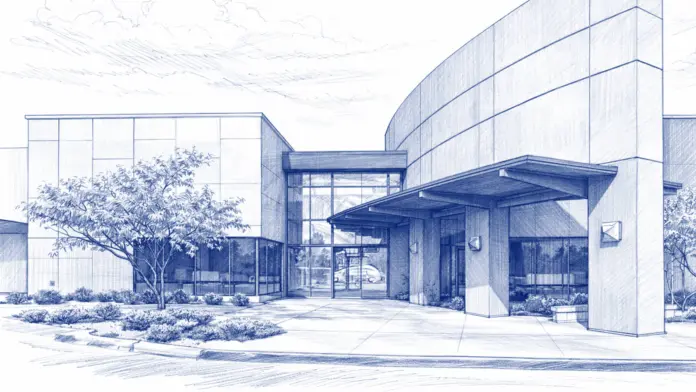
About Radix Recovery
Latest Reviews



Rehab Score
 Our Methodology


Location
Accepted Insurance
Other Forms of Payment
Private insurance refers to any kind of healthcare coverage that isn't from the state or federal government. This includes individual and family plans offered by an employer or purchased from the Insurance Marketplace. Every plan will have different requirements and out of pocket costs so be sure to get the full details before you start treatment.
Self-pay involves paying for treatment out of your own pocket. You can use savings or credit, get a personal loan, or receive help from family and friends to fund your treatment. If you don't have insurance or your insurance plan doesn't cover a specific program, self-pay can help ensure you still get the care you need.
Medicaid is a state based program that helps lower-income individuals and families pay for healthcare. Medicaid covers addiction treatment so those enrolled can use their coverage to pay for rehab. When a program accepts Medicaid the client often pays very little or nothing out of their own pocket.
Medicare is a federal program that provides health insurance for those 65 and older. It also serves people under 65 with chronic and disabling health challenges. To use Medicare for addiction treatment you need to find a program that accepts Medicare and is in network with your plan. Out of pocket costs and preauthorization requirements vary, so always check with your provider.
Addiction Treatments
Levels of Care
If you've become physically dependent on drugs or alcohol, quitting suddenly can cause very dangerous side effects. During a medically assisted detox, licensed medical professionals will monitor your vitals around the clock and provide medications if necessary to ensure you're as safe and comfortable as possible throughout this process.
Clients in inpatient rehab reside at the treatment facility for the duration of the program, which may range from two weeks to more than 18 months, depending on unique needs and the program's design. Inpatient treatment typically consists of extensive addiction counseling, which may include CBT, DBT, RBT, and motivational interviewing. Clients may also engage in recovery-focused life skills training and/or evidence-based complementary therapies, such as massage, meditation, and experiential therapy.
Commonly referred to as "day treatment," a partial hospitalization program (PHP) is a short-term, intensive rehab option that provides structured treatment for those who don't require 24-hour care. PHP treatment can also be used as an alternative to inpatient hospitalization or as a "step-down" option. Insurance coverage for PHP treatment varies. Typically, PHP treatment requires a minimum of 20 hours a week and lasts an average of 90 days. PHP treatment often includes relapse prevention strategies, medication management, individual and group therapy, and other behavioral therapy interventions.
Intensive outpatient programs (IOP) offer high-level care for clients in early recovery or who are at an increased risk of relapse. Clients may also enroll in an IOP immediately following detox, enabling them to continue to work and to live at home. Clients attend multiple outpatient treatment sessions for a minimum of nine hours per week. Many intensive outpatient rehabs provide a variety of services, including psychotherapy, recovery education, and medication assisted treatment (MAT).
Outpatient rehab programs are designed to support clients who are exiting inpatient treatment and for those who prefer to remain in their own homes during active recovery. Clients in outpatient care typically integrate treatment into their ordinary daily routine, including work and school schedules. Evening, night, and weekend therapy sessions, recovery training courses, and other outpatient services are widely available to accommodate clients' needs. Many outpatient rehabs also offer medication assisted treatment (MAT), including medication induction and maintenance.
Treatments
When an individual cannot control their alcohol use despite negative health, social, or occupational consequences, this is known as alcohol use disorder (AUD). They may experience physical withdrawal symptoms if they stop drinking. To successfully maintain sobriety, professional help is often necessary. Alcohol rehab in Iowa provides the crucial evidence-based therapies, support groups, and family involvement that make it possible to overcome alcohol addiction.
 Opioid Addiction
Substance abuse treatment is available in Iowa at drug and alcohol rehab facilities. Offering various levels of care, you can typically find an outpatient or inpatient program suited to your needs. Treatment involves evidence-based therapies and forms of counseling to develop healthy coping skills while overcoming addiction. With a focus on individualized treatment plans and recovery support, these programs aim to assist individuals in achieving sustainable sobriety and improved overall well-being.
In Iowa, dual-diagnosis addiction treatment focuses on providing comprehensive care for individuals with co-occurring mental health conditions and substance use disorders. Types of dual-diagnosis programs include residential drug and alcohol rehab and intensive outpatient options. You can expect the program to include individual and group counseling, evidence-based therapy (like dialectical behavioral therapy), and skills training to enhance your coping skills. By the end of treatment you will have the resources and supportive recovery community to sustain long-term mental health and sobriety.
Treatment for addiction includes a large focus on mental health services while you live at the residential rehab facility and receive 24-hour care. Amenities and mental health therapeutic offerings vary, with standard treatments including individual and group counseling, relapse prevention, coping skills training, and a wealth of cognitive-behavioral therapies (CBT). Additionally, many facilities provide alternative mental health services like holistic therapies.
Programs
Serving in the military is both mentally and physically challenging, and can result in trauma that persists even after combat ends. Military programs are tailored to the specific and often complex needs of active duty personnel, veterans, and military families. Clients often access these programs through the U.S. Department of Veterans Affairs (VA).
Adult rehab programs include therapies tailored to each client's specific needs, goals, and recovery progress. They are tailored to the specific challenges adult clients may face, including family and work pressures and commitments. From inpatient and residential treatment to various levels of outpatient services, there are many options available. Some facilities also help adults work through co-occurring conditions, like anxiety, that can accompany addiction.
Clinical Services
During cognitive behavioral therapy in Iowa, you'll gain a better understanding of your thinking and motivations. Your therapist will then help you develop new patterns of thinking and behaving that allow you to cope with life's challenges without abusing substances.
Dialectical behavior therapy helps you learn healthier ways to cope with your emotions and life stressors. The goal is to find a balance between acceptance of who you are and the advantages of making changes. You will work with your therapist to strike this balance and develop skills for better emotional regulation.
During motivational interviewing in Iowa, the client and therapist collaborate to identify any discrepancies in the client's current situation and future goals. By asking open ended questions and using reflective listening skills, the therapist encourages the client to reach their own conclusions and make a commitment to any needed changes in their life.
During family therapy in Iowa, therapists focus on the collective healing of all members of the family unit who were impacted by addiction. Therapists guide families in understanding the effect addiction has and develop healthy communication practices. By working together, families can help support their loved ones recovery.
People in substance use disorder treatment in Iowa find group therapy helps them benefit from shared experiences, gain new insights into the triggers of addiction, and learn new coping strategies. Group therapy promotes accountability and helps raise your motivation to seek sobriety and achieve sustainable recovery.
Addiction recovery works best with recreational therapy activities that improve your physical health and provide emotional support. This holistic approach improves your overall physical and mental health, creates a sense of community, and helps reduce your cravings. Each of these factors is necessary to foster long term sobriety.
Amenities
-
 Massage Room
 -
 Yoga Studio
 -
 Art Activities
 -
 Recreation Room
Accreditations

The Joint Commission, formerly known as JCAHO, is a nonprofit organization that accredits rehab organizations and programs. Founded in 1951, the Joint Commision's mission is to improve the quality of patient care and demonstrating the quality of patient care.
Joint Commission Accreditation: Yes

State Licenses are permits issued by government agencies that allow rehab organizations to conduct business legally within a certain geographical area. Typically, the kind of program a rehab facility offers, along with its physical location, determines which licenses are required to operate legally.
State License: Iowa
Rehab.com regularly reviews this listing for accuracy but changes may occur between updates. For the most up-to-date information, please contact Radix Recovery.
Contact Information


860 17th St SE, Cedar Rapids, IA 52403
Sponsored Helpline


