





























































































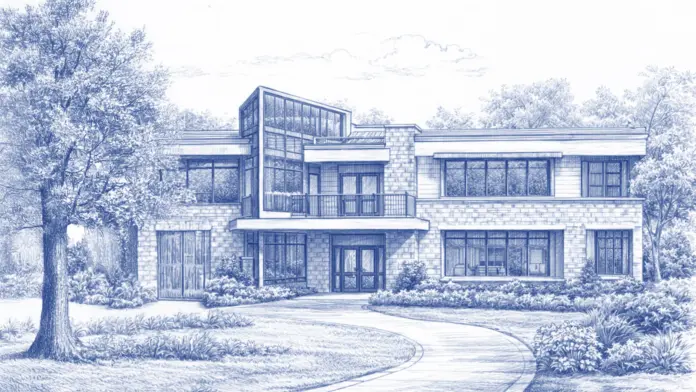
About Raeford Road VA Clinic
To fulfill President Lincoln’s promise “To care for him who shall have borne the battle, and for his widow, and his orphan” by serving and honoring the men and women who are America’s Veterans.
They also provide Veterans with Telehealth, for access to health care that is timely, more convenient and easier to access through the use of new healthcare technology including video conferencing and health monitoring devices that can connect patients to their health care team.

Rehab Score
 Our Methodology


Location
Other Forms of Payment
Private insurance refers to any kind of healthcare coverage that isn't from the state or federal government. This includes individual and family plans offered by an employer or purchased from the Insurance Marketplace. Every plan will have different requirements and out of pocket costs so be sure to get the full details before you start treatment.
Self-pay involves paying for treatment out of your own pocket. You can use savings or credit, get a personal loan, or receive help from family and friends to fund your treatment. If you don't have insurance or your insurance plan doesn't cover a specific program, self-pay can help ensure you still get the care you need.
Financial aid can take many forms. Centers may have grants or scholarships available to clients who meet eligibility requirements. Programs that receive SAMHSA grants may have financial aid available for those who need treatment as well. Grants and scholarships can help you pai for treatment without having to repay.
Military members, veterans, and eligible dependents have access to specific insurance programs that help them get the care they need. TRICARE and VA insurance can help you access low cost or no cost addiction and mental health treatment. Programs that accept military insurance often have targeted treatment focused on the unique challenges military members, veterans, and their families face.
Medicaid is a state based program that helps lower-income individuals and families pay for healthcare. Medicaid covers addiction treatment so those enrolled can use their coverage to pay for rehab. When a program accepts Medicaid the client often pays very little or nothing out of their own pocket.
Addiction Treatments
Levels of Care
Clients who are exiting detox or stepping down from intensive inpatient care typically transition directly into outpatient treatment. Outpatient programs are designed to allow clients to either re-enter or remain in their communities while receiving robust, personalized care. Many facilities offer evening, night, or weekend services to accommodate clients' home and work schedules. The most common outpatient treatment modalities include psychotherapy, recovery-focused life skills training, and medication assisted treatment (MAT).
A medically assisted detox is the safest way to remove addictive drugs and alcohol from your body. A team of licensed medical professionals will look after you 24/7 to monitor your health, help minimize discomfort, and provide medications if necessary to alleviate any withdrawal symptoms. This process is typically the first step in your recovery and may take around 5-7 days, although length will depend on your individual needs.
Intensive outpatient programs (IOP) evolve with clients' changing needs and are often well-suited for clients exiting inpatient rehab and those at an increased relapse risk. These programs typically involve between nine and 20 hours of treatment weekly, with the intensity and frequency of care decreasing as clients stabilize. Most intensive outpatient rehabs integrate a variety of treatment modalities to maintain a high level of individualized care. Services generally include counseling, recovery education, and medication assisted treatment (MAT).
Clients receiving treatment at an inpatient rehab facility are typically in early recovery or are at heightened risk of relapse. Clients in inpatient care remain at the facility for the duration of their program, enabling them to focus solely on their recovery. Inpatient treatment typically involves extensive psychotherapy, often including group and family counseling as well as one-on-one sessions. Recovery-focused life skills education is another common service. Many rehabs also offer evidence-based holistic therapies.
Intervention services can provide customized interventions tailored to the needs of the individual and family. An intervention specialist can design and conduct a drug intervention in North Carolina that encourages the individual to enter treatment in a non-coercive manner. The specialist will meet with the family to plan the intervention, then provide expert insights to guide the process and appropriate follow-up care.
12 step programs are based on a model of life-long recovery and are rooted in peer support and spiritual development. Regular attendance at 12 step meetings is the cornerstone of treatment, as is the selection of a peer sponsor to guide participants through the steps of recovery. These steps are based on non-denominational spiritual principles and are designed to foster self-awareness, forgiveness, acceptance, and accountability. Specialized programs are widely available, including programs for teens, seniors, and families.
Rehab aftercare programs offer a complete continuum of care for clients in the maintenance phase of recovery and are predicated on the idea that addiction disease is a chronic condition prone to relapse and warranting continuing care. Clients collaborate with their care team and case manager to access the specific rehab aftercare services they need to promote their sustained sobriety. Peer coaching, relapse prevention services, career counseling, and 12 step program induction are common in these programs.
Treatments
Alcohol use disorder, commonly called alcoholism, involves an inability to control the amount or frequency you drink and feeling withdrawal symptoms when you don't drink. Treatment for alcohol addiction may involve residential or outpatient alcohol rehab in North Carolina, counseling, or 12-step programs. Typically, some form of professional treatment and support is necessary to achieve long-term recovery.
There are many types of drug rehab in North Carolina. To receive treatment for addiction, you can choose from many inpatient and outpatient programs. Often, participants start with detox and work through a full continuum of care that continues with ongoing support for long-term recovery.
In North Carolina, dual-diagnosis addiction treatment programs focus on providing integrated care for individuals with co-occurring substance use disorders and mental health diagnoses. You can generally expect a range of programs, including intensive outpatient, inpatient residential, and partial hospitalization options. Therapies like cognitive-behavioral therapy (CBT), dialectical behavior therapy (DBT), trauma-informed therapy, and family therapy address both disorders and promote mental health and well-being, giving you the tools to sustain long-term recovery.
In North Carolina, dual-diagnosis rehabs offer comprehensive care for individuals facing both mental health and substance abuse challenges. These specialized facilities integrate evidence-based therapies such as cognitive-behavioral therapy (CBT), dialectical behavior therapy (DBT), eye movement desensitization and reprocessing (EMDR), and experiential therapy to address both aspects of your well-being. By taking a holistic approach to co-occurring disorder treatment, you are dramatically improving your odds of long-term sobriety.
 Opioid Addiction
Programs
Adult rehab programs include therapies tailored to each client's specific needs, goals, and recovery progress. They are tailored to the specific challenges adult clients may face, including family and work pressures and commitments. From inpatient and residential treatment to various levels of outpatient services, there are many options available. Some facilities also help adults work through co-occurring conditions, like anxiety, that can accompany addiction.
Serving in the military is both mentally and physically challenging, and can result in trauma that persists even after combat ends. Military programs are tailored to the specific and often complex needs of active duty personnel, veterans, and military families. Clients often access these programs through the U.S. Department of Veterans Affairs (VA).
Clinical Services
Clients who receive cognitive behavioral therapy in North Carolina typically attend five to 20 sessions. During this time, they work with their therapist to learn healthier patterns of thinking, which can help them change their behavior related to substance use.
During couples therapy in North Carolina, a psychologist helps you and your partner resolve problems that are occurring in your relationship. This licensed therapist uses talk therapy to help you both work through challenges together. The process involves learning new skills to better handle conflict and life issues.
Family therapy sessions address the emotional toll that addiction has had on the family unit and individual members. Therapists work with families to develop better coping strategies, which in turn create a stable environment for their loved one's recovery process.
Men and women enjoy a supportive environment within group therapy sessions for drug and alcohol addiction treatment. You can share your experiences and build connections with your peers while receiving encouragement from individuals who have faced similar challenges.
You usually develop a strong bond with your therapist during individual therapy sessions. This helps you explore the underlying causes of your substance use in a safe and nonjudgmental environment. Therapists help you develop effective coping strategies you can use in the community and improve your self awareness so you understand your addiction triggers.
Routine tasks are difficult for someone experiencing addiction. Daily skills deteriorate, which makes it harder to achieve recovery. That's why drug rehab programs in North Carolina reteach basic life skills. This gives you the tools you need to manage daily life without returning to substance use.
If you're struggling with insecurity about your ability to make changes in your life, motivational interviewing in North Carolina could be a good solution. This type of therapy offers support and empowerment to help you explore your options and decide how to move forward with positive changes.
If you've been smoking for a while, your body has become physically dependent on the addictive substance nicotine. To avoid unpleasant withdrawal as you quit smoking, you can use nicotine replacement therapy in North Carolina. This gives you controlled amounts of nicotine in the form of lozenges, inhalers, sprays, patches, or gum.
Rational behavior therapy supports drug and alcohol addiction treatment in North Carolina by helping you address irrational beliefs and thought patterns. Using self help techniques and behavioral techniques, you learn to practice new and healthier behaviors that manage stress and help maintain sobriety.
Trauma therapy helps you reclaim your life after experiencing or witnessing a traumatic event. Therapists help to process these memories, which promotes emotional healing and reduces anxiety in social situations. This improves your overall well being and increases your self confidence.
Amenities
-
 Residential Setting
 -
 Private Setting
Accreditations

The Joint Commission, formerly known as JCAHO, is a nonprofit organization that accredits rehab organizations and programs. Founded in 1951, the Joint Commision's mission is to improve the quality of patient care and demonstrating the quality of patient care.
Joint Commission Accreditation: Yes

The Substance Abuse and Mental Health Services Administration (SAMHSA) is a branch of the U.S. Department of Health and Human Services. Established in 1992 by congress, SAMHSA's mission is to reduce the impact of substance abuse and mental illness on American's communities.
SAMHSA Listed: Yes
Rehab.com regularly reviews this listing for accuracy but changes may occur between updates. For the most up-to-date information, please contact Raeford Road VA Clinic.
Contact Information


7300 S Raeford Rd
Fayetteville, NC 28304
Sponsored Helpline
