Our Rehab Score is designed to make it easier for you to find the best treatment centers. We combine overall ratings with recent feedback to create a score that reflects a center's quality right now.
Our Rehab Score is designed to make it easier for you to find the best treatment centers. We combine overall ratings with recent feedback to create a score that reflects a center's quality right now.
7.89 / 10
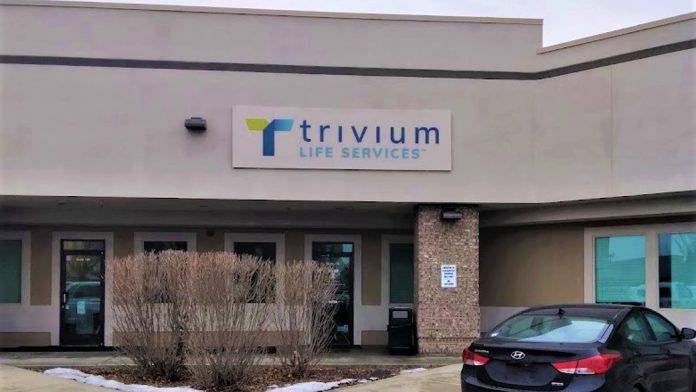
About Trivium Life Services
If you need to get helped right away then they do have a very unique feature called Walk-in Wednesdays. This program allows you to simply walk in and get treated the same day if you come in any Wednesday.
This clinic also provides mental health or dual diagnosis care for those who seek it. They have specific co-occurring disorder treatment which includes getting mental health counseling, but not before getting properly evaluated and assessed by their team of medical professionals.
Two of their big features that they mention are their case management services and their recovery coaching. They also specify that they try their best to make their treatment holistic and focus on giving you the skills you need to live your best sober life when you leave treatment.
They offer couples therapy and family therapy and you need a minimum of one individual counseling session per week. Their group therapy will teach you life skills, processing, skill-building and other aspects related to psychoeducation. Some of their holistic options include trauma-informed yoga and meditation classes. They also offer medication assisted treatment if you need to detox more safely.
Trivium Life Services Rocks! The staff are exceptional and I received so much help from them! I cannot even to begin how very thankful I am for all of it! Educated..Trained . Experienced.. Compassionate..Ethical..Stellar! Indeed!
Thrive Community Services Boise has been an incredible resource for behavioral health support. The staff truly care about the people. They serve and treat everyone with kindness, compassion, and respect. They take time to listen, understand each individual’s needs, provide personalized support in a welcoming environment. It’s clear they are passionate about helping people improve their lives. I highly recommend Thrive Community Services to anyone looking for a caring and dedicated behavioral health team.
Thrive Community Services is a great resource for individuals and families looking for support with substance use disorders and mental health needs. They offer a wide range of services and truly care about the people they serve. We are so glad to have Thrive Community as a community partner and appreciate the important work they do every day.
Scoring is assigned by a proprietary system which helps surface key metrics that determine quality. The 10-point scale factors in categories such as operations, customer satisfaction, and trust metrics. Read Full Methodology
7.9 / 10
Gallery
Accepted Insurance
Please contact to verify your specific insurance provider.
Trivium Life Services works with several private insurance providers, please contact to verify your specific insurance provider.
Private insurance refers to any kind of healthcare coverage that isn't from the state or federal government. This includes individual and family plans offered by an employer or purchased from the Insurance Marketplace. Every plan will have different requirements and out of pocket costs so be sure to get the full details before you start treatment.
Self-pay involves paying for treatment out of your own pocket. You can use savings or credit, get a personal loan, or receive help from family and friends to fund your treatment. If you don't have insurance or your insurance plan doesn't cover a specific program, self-pay can help ensure you still get the care you need.
Financial aid can take many forms. Centers may have grants or scholarships available to clients who meet eligibility requirements. Programs that receive SAMHSA grants may have financial aid available for those who need treatment as well. Grants and scholarships can help you pai for treatment without having to repay.
Medicare is a federal program that provides health insurance for those 65 and older. It also serves people under 65 with chronic and disabling health challenges. To use Medicare for addiction treatment you need to find a program that accepts Medicare and is in network with your plan. Out of pocket costs and preauthorization requirements vary, so always check with your provider.
Medicaid is a state based program that helps lower-income individuals and families pay for healthcare. Medicaid covers addiction treatment so those enrolled can use their coverage to pay for rehab. When a program accepts Medicaid the client often pays very little or nothing out of their own pocket.
Military members, veterans, and eligible dependents have access to specific insurance programs that help them get the care they need. TRICARE and VA insurance can help you access low cost or no cost addiction and mental health treatment. Programs that accept military insurance often have targeted treatment focused on the unique challenges military members, veterans, and their families face.
Addiction Treatments
Levels of Care
Outpatient Programs (OP) are for those seeking mental rehab or drug rehab, but who also stay at home every night. The main difference between outpatient treatment (OP) and intensive outpatient treatment (IOP) lies in the amount of hours the patient spends at the facility. Most of the time an outpatient program is designed for someone who has completed an inpatient stay and is looking to continue their growth in recovery. Outpatient is not meant to be the starting point, it is commonly referred to as aftercare.
Clients requiring treatment in an inpatient rehab are often those who need stabilization support as they exit detox or contend with a life crisis. Residing at the treatment facility enables clients to focus exclusively on their recovery. They engage in extensive psychotherapy and recovery-focused life skills training to support their sustained sobriety and prepare them for outpatient and community-based care. Evidence-based holistic therapies, such as experiential therapy and meditation, are also commonly available.
Intensive Outpatient Programs (IOP) are for those who want or need a very structured treatment program but who also wish to live at home and continue with certain responsibilities (such as work or school). IOP substance abuse treatment programs vary in duration and intensity, and certain outpatient rehab centers will offer individualized treatment programs.
Clients participating in a rehab aftercare program receive a variety of services designed to support their sustained sobriety and successful reintegration into their home, workplace, and community. Rehab aftercare services may include formal outpatient care, such as addiction counseling and recovery education provided in an outpatient treatment center. They may also include community-based services, including 12 step program induction, peer coaching, and vocational training. These programs are typically designed in partnership with the client's case manager.
Many recovery centers base their treatment models on 12 step programming, which emphasizes spiritual development and peer coaching. 12 step recovery is designed to help participants address the root causes of their addiction, take accountability for their choices, and let go of that over which they are powerless. Though these programs prioritize spiritual growth, religious affiliation isn't required. Participants regularly attend anonymous, free, peer-directed meetings and are mentored by a peer sponsor.
A sober living home in Idaho is a residence where individuals in recovery stay until they feel ready to live on their own. These drug-free environments can help individuals transition from inpatient rehab to day-to-day life. Typically, residents stay for at least 90 days, but they can remain for as long as they continue to abide by halfway house rules. These include maintaining sobriety, contributing to household chores, paying rent, and abiding by a curfew.
When an individual's life is negatively impacted by substance use but they are resistant to treatment, a drug intervention in Idaho may be appropriate. Drug intervention programs are designed to break through this resistance and motivate the person to get help. During the intervention, the specialist helps loved ones bring reality to the individual and break through barriers that are preventing them from getting the help they need.
Aa a form of outpatient treatment, a partial hospitalization program (PHP) typically requires a minimum of 20 hours' treatment per week for an average of 90 days. PHPs commonly include individual therapy, group counseling, relapse prevention strategies, and medication management. The program duration may span around 90 days but can be tailored to your needs. Insurance coverage for a partial hospitalization program can vary, however, is often fully or partially covered.
Medical detox is the process of removing addictive substances from your body in a medically supervised setting. With the aim of keeping you as safe and comfortable as possible, a team of licensed medical professionals monitors your vitals and may provide medications if needed to alleviate any withdrawal symptoms. Medically assisted detox is generally partially covered by most private insurance and insurance plans under the Affordable Care Act.
Treatments
The goal of treatment for alcoholism is abstinence. Those with poor social support, poor motivation, or psychiatric disorders tend to relapse within a few years of treatment. For these people, success is measured by longer periods of abstinence, reduced use of alcohol, better health, and improved social functioning. Recovery and Maintenance are usually based on 12 step programs and AA meetings.
Drug rehab in Idaho provides treatment for addiction to drugs. It usually includes a combination of treatment methods that can involve counseling, medication, and a variety of evidence-based therapies. Programs are designed to help individuals manage their substance use disorder long-term.
Many of those suffering from addiction also suffer from mental or emotional illnesses like schizophrenia, bipolar disorder, depression, or anxiety disorders. Rehab and other substance abuse facilities treating those with a dual diagnosis or co-occurring disorder administer psychiatric treatment to address the person's mental health issue in addition to drug and alcohol rehabilitation.
Opioid rehabs specialize in supporting those recovering from opioid addiction. They treat those suffering from addiction to illegal opioids like heroin, as well as prescription drugs like oxycodone. These centers typically combine both physical as well as mental and emotional support to help stop addiction. Physical support often includes medical detox and subsequent medical support (including medication), and mental support includes in-depth therapy to address the underlying causes of addiction.
Substance rehabs focus on helping individuals recover from substance abuse, including alcohol and drug addiction (both illegal and prescription drugs). They often include the opportunity to engage in both individual as well as group therapy.
Programs
Adult rehab programs include therapies tailored to each client's specific needs, goals, and recovery progress. They are tailored to the specific challenges adult clients may face, including family and work pressures and commitments. From inpatient and residential treatment to various levels of outpatient services, there are many options available. Some facilities also help adults work through co-occurring conditions, like anxiety, that can accompany addiction.
Young adulthood can be an exciting, yet difficult, time of transition. Individuals in their late teens to mid-20s face unique stressors related to school, jobs, families, and social circles, which can lead to a rise in substance use. Rehab centers with dedicated young adult programs will include activities and amenities that cater to this age group, with an emphasis on specialized counseling, peer socialization, and ongoing aftercare.
Recovery is most successful when clients feel accepted and validated by their peers and treatment providers. Facilities that offer LGBTQ-inclusive programming are committed to creating a safe space where everyone can grow and recover without fear of judgment or discrimination. They will have dedicated policies in place to create a safe and supportive environment that fosters free expression.
Serving in the military is both mentally and physically challenging, and can result in trauma that persists even after combat ends. Military programs are tailored to the specific and often complex needs of active duty personnel, veterans, and military families. Clients often access these programs through the U.S. Department of Veterans Affairs (VA).
Clinical Services
Research has shown that cognitive behavioral therapy (CBT) in Idaho is one of the most effective forms of therapy to treat substance use disorders and accompanying mental health disorders such as anxiety and depression. The focus of this method is to learn about and change patterns of thinking and behavior.
Dialectical behavior therapy involves individual and group sessions. During individual sessions, you will work on managing intense emotions. Group skills training sessions aim to enhance skills for daily living. They focus on mindfulness, distress tolerance, interpersonal effectiveness, and emotion regulation.
Group therapy is any therapeutic work that happens in a group (not one-on-one). There are a number of different group therapy modalities, including support groups, experiential therapy, psycho-education, and more. Group therapy involves treatment as well as processing interaction between group members.
Men and women in Idaho may choose a customized drug and alcohol treatment approach using individual therapy. This focuses your attention on the unique challenges in your life and helps you understand the triggers and stressors that increase your risk of drug use. You develop healthier coping strategies to promote sustainable sobriety.
Unlike other more coercive methods, motivational interviewing does not impose change on the client. Instead, the therapist asks questions, listens, and reflects the client's thoughts back to them. This helps the person come to their own conclusions and supports making changes on their own terms based on those conclusions.
Trauma therapy addresses traumatic incidents from a client's past that are likely affecting their present-day experience. Trauma is often one of the primary triggers and potential causes of addiction, and can stem from child sexual abuse, domestic violence, having a parent with a mental illness, losing one or both parents at a young age, teenage or adult sexual assault, or any number of other factors. The purpose of trauma therapy is to allow a patient to process trauma and move through and past it, with the help of trained and compassionate mental health professionals.
Couples therapy provides the opportunity to discuss challenges in the relationships and learn healthy ways to work through them. Therapy may address issues such as your roles, beliefs, finances, health, substance use, and children.
During family therapy in Idaho, members have a safe space to express their feelings about the impact addiction has had on the family unit. The process helps reduce the stigma associated with mental health and enhances each member's understanding of addiction. By promoting a unified approach, family therapy helps to support the recovery journey.
Part of recovery is replacing unhealthy habits with healthy life skills. These include psychological skills and social skills that allow you to thrive post treatment. While in rehab in Idaho, you'll work on developing these skills so you have the tools you need for a new life.
Amenities
Residential Setting
Private Rooms
Staff & Accreditations
Staff
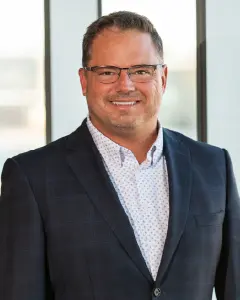
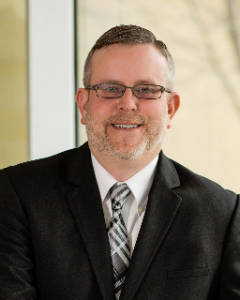
Brent Dillinger
CEO
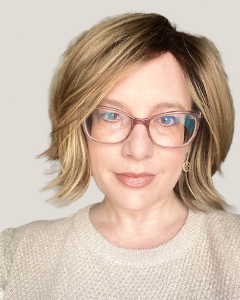
Stacey Warner
Senior VP, Operations
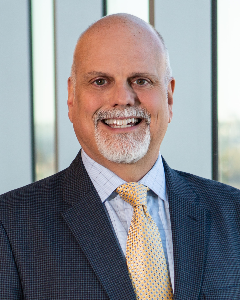
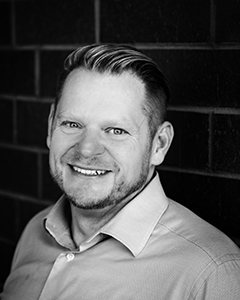
Brad Schroeder
Chief People & Administrative Officer
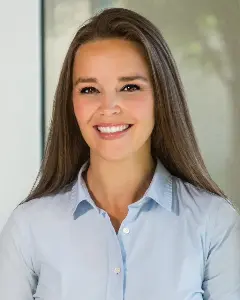
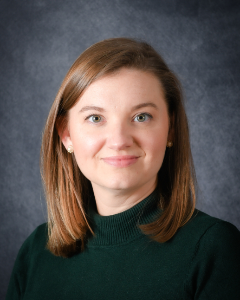
Hannah Smith
VP of Philanthropy & Public Relations
Alex Walker
VP Information Technology
Jessica Kantatan
VP, Operations
Erik Marsh
Interim Chief Financial Officer
Accreditations
The Commission on Accreditation of Rehabilitation Facilities (CARF) is a non-profit organization that specifically accredits rehab organizations. Founded in 1966, CARF's, mission is to help service providers like rehab facilities maintain high standards of care.
CARF Accreditation: Yes
Rehab.com regularly reviews this listing for accuracy but changes may occur between updates. For the most up-to-date information, please contact Trivium Life Services.
Trivium Life Services Rocks! The staff are exceptional and I received so much help from them! I cannot even to begin how very thankful I am for all of it! Educated..Trained . Experienced.. Compassionate..Ethical..Stellar! Indeed!
Chandra Lysle - Baird
2 months ago
5
Thrive Community Services Boise has been an incredible resource for behavioral health support. The staff truly care about the people. They serve and treat everyone with kindness, compassion, and respect. They take time to listen, understand each individual’s needs, provide personalized support in a welcoming environment. It’s clear they are passionate about helping people improve their lives. I highly recommend Thrive Community Services to anyone looking for a caring and dedicated behavioral health team.
Tomi Robie
3 months ago
5
Thrive Community Services is a great resource for individuals and families looking for support with substance use disorders and mental health needs. They offer a wide range of services and truly care about the people they serve. We are so glad to have Thrive Community as a community partner and appreciate the important work they do every day.
Tami Meckley
3 months ago
5
I absolutely support and appreciate Thrive. Their staff is kind and caring and always responsive I am a community partner and being able to have them in the community as a resource is vital. Thank you for all you do
Benjamin Cardenas is a musician and published author of six titles. Born and raised in Miami, FL, he performs music all around South Florida and sells his books at comic book conventions and book fairs under the moniker, Benjamin Card. He currently resides in Miami with his three cats, Annette, Nastassia, and Esra.
By calling the helpline you agree to the terms of use. We do not receive any commission or fee that is dependent upon which treatment provider a caller chooses. There is no obligation to enter treatment.
Calls to numbers on a specific treatment center listing will be routed to that treatment center. Calls to any general helpline could be forwarded to SAMHSA or a verified treatment provider.
If you wish to connect with non-sponsor centers, you can browse top-rated listings, visit our homepage and browse by state, or visit SAMHSA.

 Sponsored Helpline




































































































 Residential Setting
  Private Rooms