











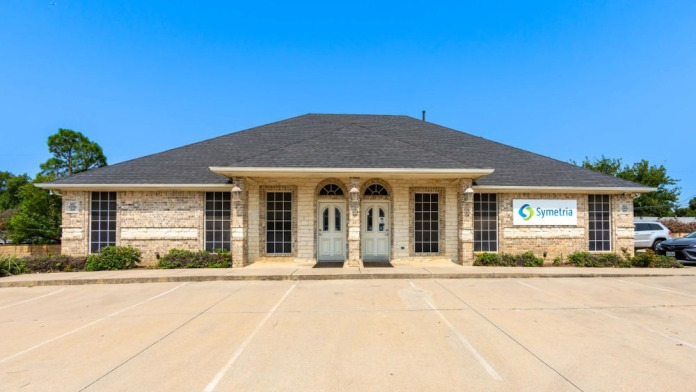
Symetria — Hurst Outpatient Rehab & Suboxone Clinic
1
Top 10 Rehab Centers In Hurst


















































































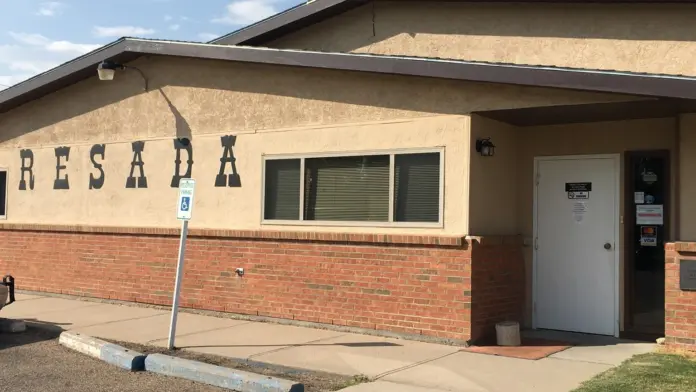
Southeast Colorado is the service area for RESADA, a nonprofit addiction treatment center in Las Animas, Colorado. The residential program is open to adult men and women 18 and older, generally for 30 days. Outpatient care and a non-medical withdrawal management program run alongside it.
Medical detox is not part of the program. RESADA instead runs a withdrawal management program with staff on hand around the clock, for adults who can withdraw safely without medical intervention. What the staff provide during that stretch is supervision, monitoring and support.
Residential treatment at RESADA runs to a set schedule, with residents awake at 6:15 a.m. for groups, classes and chores. Residents also get alcohol and drug education, individual counseling and group therapy.
Because the day is settled in advance, nobody has to decide what comes next. RESADA also serves lesbian, gay, bisexual and transgender clients.
RESADA Outpatient accepts Medicaid, and its sessions run in individual and group settings while people keep living in their communities. Cognitive behavioral therapy is one approach used.
Outpatient care asks less of a person’s week than residential does, which lets someone stay in treatment and remain at home.
The residential and outpatient programs both run in Las Animas, and the organization accepts cash or self-payment. Its accreditation comes through a state substance abuse agency.

 Our Methodology


Private insurance refers to any kind of healthcare coverage that isn't from the state or federal government. This includes individual and family plans offered by an employer or purchased from the Insurance Marketplace. Every plan will have different requirements and out of pocket costs so be sure to get the full details before you start treatment.
Self-pay involves paying for treatment out of your own pocket. You can use savings or credit, get a personal loan, or receive help from family and friends to fund your treatment. If you don't have insurance or your insurance plan doesn't cover a specific program, self-pay can help ensure you still get the care you need.
Sliding scale payments are based on a client's income and family size. The goal is to make treatment affordable to everyone. By taking these factors into account, addiction recovery care providers help ensure that your treatment does not become a financial burden to you or your family, eliminating one barrier to care.
Medicaid is a state based program that helps lower-income individuals and families pay for healthcare. Medicaid covers addiction treatment so those enrolled can use their coverage to pay for rehab. When a program accepts Medicaid the client often pays very little or nothing out of their own pocket.
Outpatient care runs in individual and group sessions and is built for people who keep living in their communities while they get treatment.
The residential program runs about 30 days for adult men and women 18 and older, and it is generally that length.
Clients engaged in a rehab aftercare program have completed active addiction treatment and are receiving services designed to promote their sustained sobriety. Drug rehab aftercare typically encompasses a wide variety of medical, mental health, and social services meant to facilitate clients' reintegration into their home, workplace, and community. Clients typically collaborate with their case manager and/or recovery team to identify and access the services they need, often including peer coaching, career counseling, and care referrals.
Addiction recovery based on a 12 step program model is rooted in peer support and spiritual development. Participants regularly attend 12 step meetings, which are free, anonymous, peer-led, and available throughout the day and night in most communities. Clients' recovery is achieved progressively as they work through the 12 steps, which teach them to understand and address the root causes of their addiction, become accountable for their choices, and relinquish control over that which cannot be changed.
Detox can be dangerous if not properly supervised, making 24-hour clinical care in Colorado an essential tool in the recovery process. The constant monitoring by medical professionals helps individuals through critical stages of recovery. Medical professionals and addiction specialists are available 24/7 to provide medications that ease withdrawal symptoms and to treat any other issues that arise.
Drug and alcohol addiction often takes a heavy toll on one’s body. Over time, a physical dependence can develop, meaning the body physiologically needs the substance to function. Detox is the process of removing drugs and/or alcohol from the body, a process that can be lethal if mismanaged. Medical detox is done by licensed medical professionals who monitor vital signs and keep you safe, healthy, and as comfortable as possible as you go through detox and withdrawal.
Professional services are often necessary to recover from addiction. Drug rehab in Colorado provides the expert services needed to address the complex issues of addiction and help individuals start their recovery journey.
RESADA works with adults, and the residential program takes men and women 18 and older. Outpatient and peer support run alongside, so the same organization covers several kinds of care.
Recovery is most successful when clients feel accepted and validated by their peers and treatment providers. Facilities that offer LGBTQ-inclusive programming are committed to creating a safe space where everyone can grow and recover without fear of judgment or discrimination. They will have dedicated policies in place to create a safe and supportive environment that fosters free expression.
The main principle of cognitive behavioral therapy (CBT) in Colorado is that substance use disorders are based on faulty thinking and behavior patterns. The goal of this treatment is to help the individual learn better ways of coping with challenges, which will lead to changes in thinking and behavior.
Dialectical behavior therapy is skills based and present oriented. You'll be asked to keep a diary of emotions and related behaviors and practice the skills you've been learning between sessions. The focus of skills development is on mindfulness, distress tolerance, emotion regulation, and interpersonal effectiveness.
Group therapy is part of the programming, set beside alcohol and drug education, individual counseling and life-skills work.
Individual counseling is part of the programming, and it sits with group work and drug education rather than standing alone.
During family therapy sessions, family members in Colorado work with therapists to understand addiction as a disease that has affected the entire family. This approach fosters empathy and reduces blame on any one member. Promoting this collective effort helps to support the recovery process.
Nicotine replacement therapy treats your physical symptoms of withdrawal so you can better focus on breaking down any mental or emotional addiction you have to smoking. Options include nicotine patches, gum, and lozenges, as well as prescription inhalers and sprays.
Life skills are traits you need to be successful during recovery, such as managing stress and interpersonal relationships. During rehab treatment in Colorado, you and your therapist will identify any skills that need to be developed and work on methods to strengthen them.
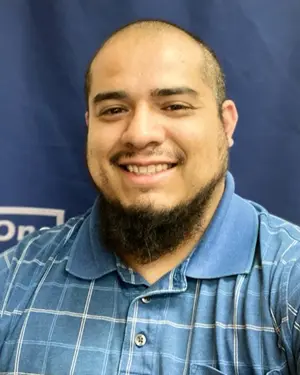
Executive Director
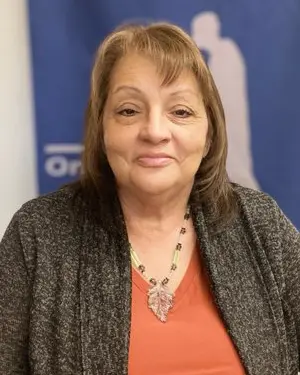
Financial Officer
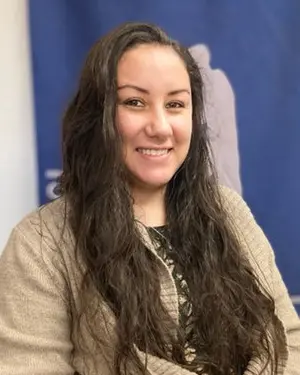
Clinical Supervisor
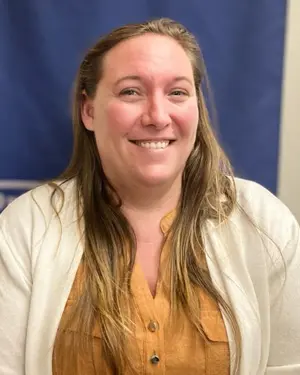
Data Coordinator, Receptionist

The Substance Abuse and Mental Health Services Administration (SAMHSA) is a branch of the U.S. Department of Health and Human Services. Established in 1992 by congress, SAMHSA's mission is to reduce the impact of substance abuse and mental illness on American's communities.
SAMHSA Listed: Yes

State Licenses are permits issued by government agencies that allow rehab organizations to conduct business legally within a certain geographical area. Typically, the kind of program a rehab facility offers, along with its physical location, determines which licenses are required to operate legally.
State License: Colorado
Rehab.com regularly reviews this listing for accuracy but changes may occur between updates. For the most up-to-date information, please contact Region Six Alcohol & Drug Abuse Corporation, RESADA.

11000 County Road
GG 5
Las Animas, CO 81054
Sponsored Helpline


Chris Chavez is super awesome the compassion and love he has for human life is beautiful your a blessing just so you know ! Love you brother your a badass 😘

Resada is a great way to start your path to recovery I personally love it here, remember know matter where you go what you put in is what you get out. This rehab has an amazing way to make you feel better about finding yourself again. If you're going to complain about the things that you can't do there then you're there for all the wrong reasons. Remember you're there to work on you and learn ways to overcome what our addiction throws at us. Be 💯 and you'll get 💯. Thank you to everyone at Resada who has impacted my life. 30 days isn't long enough but it's a start to get me on the journey of my sobriety!!! And do you see everyone who has something negative to say was court ordered! Your having structure issues try to self admit then you'll see better results.

This place cost me everything, I was court ordered to go here for 30 days and I completed the 30 days , I volunteered to stay one more week so I could get into sober living and the very next day they searched everyone's shit and found a broken pen in my stuff and accused me of using , with no positive drug test results. I was there for 31 days then kicked out on to the streets and told my probation I was using and refused to give me my completion certificate. Costing me to be in the halfway house for now 8 months to 6 years and the custody of my kids these people are evil!!!
 Back
Sharing your insights and experiences can help others learn more about this rehab center.
Yes. Residential treatment generally runs 30 days for adults 18 and older, and outpatient treatment uses evidence-based approaches in individual and group sessions for people who keep living in their communities. The organization adds withdrawal management and peer support.
Yes. Medicaid is accepted at RESADA Outpatient, and a sliding fee scale may be available, so cost can be worked out for people paying for those services. Those terms cover the outpatient program, and residential costs are a separate question.
It starts at 6:15 a.m. and runs through scheduled groups, classes, meals, chores and recovery activities, so the day has a shape from the morning on. RESADA serves Southeast Colorado.
Life-skills training, alcohol and drug education, evaluation and individual counseling are all part of the programming, with group therapy as another piece. The rest of the approach is evidence-based.
Certified peer specialists do. They work from lived experience, encouragement and practical guidance, and they help people and their families find the support they need.