





























































































About Rehabilitation Associates – Westport
Latest Reviews



Rehab Score
 Our Methodology


Gallery
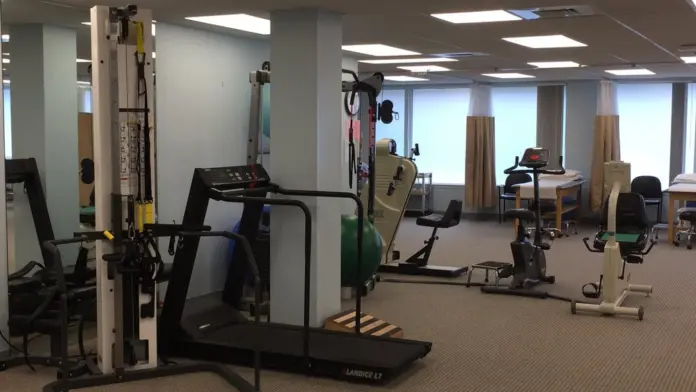
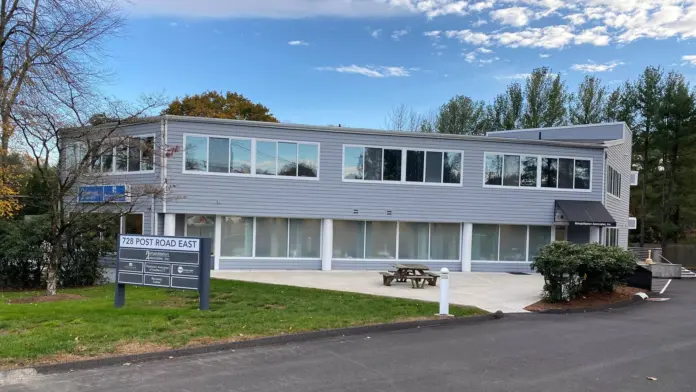
Other Forms of Payment
Private insurance refers to any kind of healthcare coverage that isn't from the state or federal government. This includes individual and family plans offered by an employer or purchased from the Insurance Marketplace. Every plan will have different requirements and out of pocket costs so be sure to get the full details before you start treatment.
Self-pay involves paying for treatment out of your own pocket. You can use savings or credit, get a personal loan, or receive help from family and friends to fund your treatment. If you don't have insurance or your insurance plan doesn't cover a specific program, self-pay can help ensure you still get the care you need.
Addiction Treatments
Levels of Care
Residential treatment programs are those that offer housing and meals in addition to substance abuse treatment. Rehab facilities that offer residential treatment allow patients to focus solely on recovery, in an environment totally separate from their lives. Some rehab centers specialize in short-term residential treatment (a few days to a week or two), while others solely provide treatment on a long-term basis (several weeks to months). Some offer both, and tailor treatment to the patient's individual requirements.
Treatments
Substance rehabs focus on helping individuals recover from substance abuse, including alcohol and drug addiction (both illegal and prescription drugs). They often include the opportunity to engage in both individual as well as group therapy.
Programs
Adult rehab programs include therapies tailored to each client's specific needs, goals, and recovery progress. They are tailored to the specific challenges adult clients may face, including family and work pressures and commitments. From inpatient and residential treatment to various levels of outpatient services, there are many options available. Some facilities also help adults work through co-occurring conditions, like anxiety, that can accompany addiction.
Young adulthood can be an exciting, yet difficult, time of transition. Individuals in their late teens to mid-20s face unique stressors related to school, jobs, families, and social circles, which can lead to a rise in substance use. Rehab centers with dedicated young adult programs will include activities and amenities that cater to this age group, with an emphasis on specialized counseling, peer socialization, and ongoing aftercare.
Clinical Services
According to cognitive behavioral therapy in Connecticut, individuals can change their behaviors by changing their thoughts. Applied to substance use disorder, this can be an effective treatment method to help patients transform their thoughts and lives.
Clients participating in dialectical behavior therapy in Connecticut can expect to attend weekly skills focused group meetings as well as one on one sessions with the therapist. Individual sessions usually last one hour, and groups, made up of four to 10 people, last 1.5 to 2 hours. The focus is to help clients accept situations, recognize emotions, and acknowledge the need for change.
Group therapy is any therapeutic work that happens in a group (not one-on-one). There are a number of different group therapy modalities, including support groups, experiential therapy, psycho-education, and more. Group therapy involves treatment as well as processing interaction between group members.
In individual therapy, a patient meets one-on-one with a trained psychologist or counselor. Therapy is a pivotal part of effective substance abuse treatment, as it often covers root causes of addiction, including challenges faced by the patient in their social, family, and work/school life.
During couples therapy in Connecticut, you will learn skills such as problem solving, conflict resolution, and anger management. The goal is to develop techniques that will help you successfully navigate relationship challenges.
Family therapy sessions work to strengthen the family unit by addressing addiction related conflicts and fostering support between family members. Your therapist guides family members in developing effective communication strategies and creating an environment that aids in your loved one's recovery.
Nutrition therapy provides a personalized, high protein diet that gives your body the nutrients it needs for mental and physical recovery. This is an important part of drug rehab programs in Connecticut.
When you use nicotine replacement therapy in Connecticut, you can avoid further exposure to the harmful chemicals found in tobacco. You'll get small doses of nicotine without the other toxins, so you can slowly wean yourself off nicotine and quit smoking for good.
Amenities
-
 Residential Setting
 -
 Private Rooms
Rehab.com regularly reviews this listing for accuracy but changes may occur between updates. For the most up-to-date information, please contact Rehabilitation Associates – Westport.
Contact Information


728 Post Road East W
Westport CT, 06880
Sponsored Helpline

