





























































































About Navajo Health Foundation – Sage Memorial Hospital
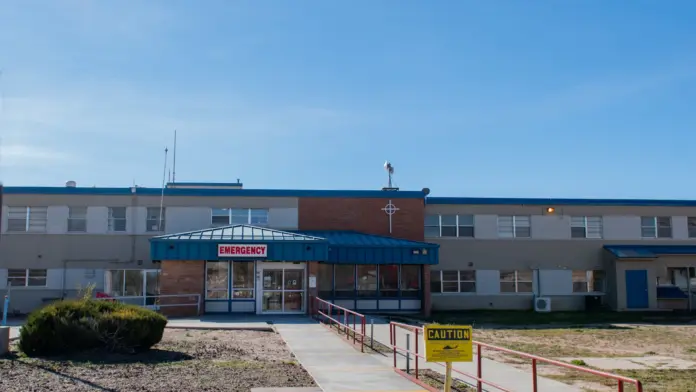
Navajo Health Foundation – Sage Memorial Hospital is a Native operated substance use and behavioral health treatment provider in Ganado, Arizona serving the Diné people and surrounding Navajo Nation communities.
Its Behavioral Health Clinic offers outpatient counseling, substance abuse assessment and treatment, psychiatric evaluation, medication services and social support.
Reviewers often praise the caring staff, fast intake and welcoming treatment experience.
What addiction and behavioral health care is offered?
The clinic provides outpatient substance abuse assessment and treatment, mental health assessment, psychiatric evaluation and medication management.
Counseling is available for individuals, couples, groups and families, using approaches such as cognitive behavioral therapy and family systems, play therapy and relapse prevention.
Who can get help here?
Sage Memorial serves members of the Diné people and Navajo Nation communities, including at risk youth and families.
Named focus areas include substance abuse, depression and anxiety, emotional and behavioral issues, domestic violence and parenting concerns.
How does the clinic honor Navajo traditions?
Alongside clinical care, the clinic offers culturally rooted healing such as bedside prayers, cleansing and blessings, traditional counseling, talking circles and sweat lodge ceremonies upon approval or referral.
This integration honors the hospital’s mission of respect, harmony and the sacredness of life.
Where is the hospital located?
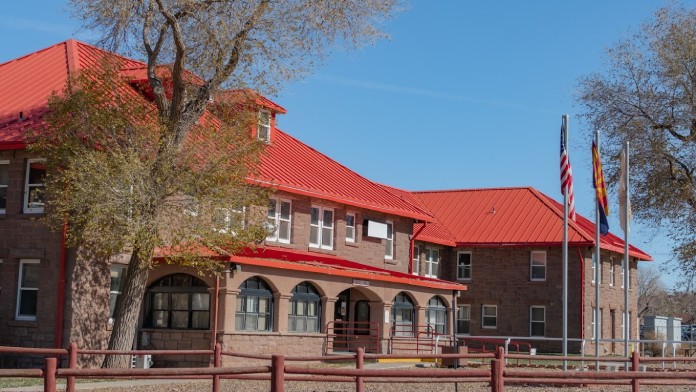
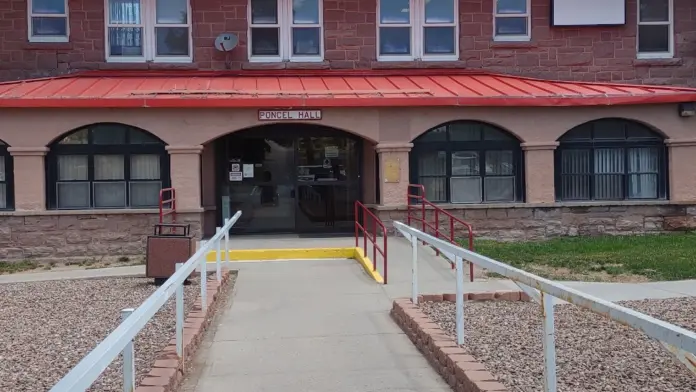
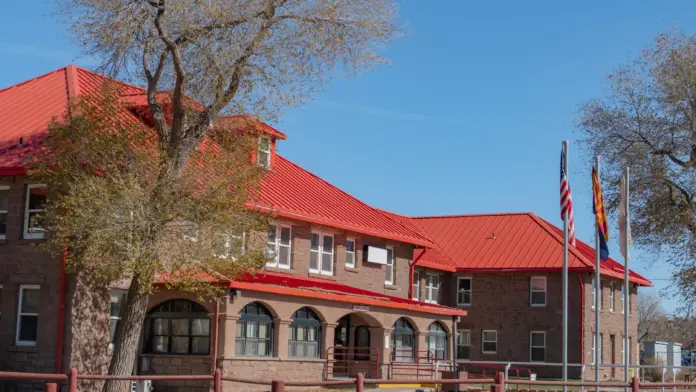
Sage Memorial sits at US 191 and SR 264 in Ganado, Arizona with the Behavioral Health Clinic housed in Salisbury Hall.
It serves nearby communities including Steamboat and Klagetoh, Wide Ruins and Cornfields, Kinlichee and Nazlini.
Do they take insurance?
The hospital provides care for everyone seeking help and accepts self pay, offering flexible payment arrangements and a sliding fee policy for those with financial difficulty.
Latest Reviews



Rehab Score
 Our Methodology


Gallery
Other Forms of Payment
Private insurance refers to any kind of healthcare coverage that isn't from the state or federal government. This includes individual and family plans offered by an employer or purchased from the Insurance Marketplace. Every plan will have different requirements and out of pocket costs so be sure to get the full details before you start treatment.
Self-pay involves paying for treatment out of your own pocket. You can use savings or credit, get a personal loan, or receive help from family and friends to fund your treatment. If you don't have insurance or your insurance plan doesn't cover a specific program, self-pay can help ensure you still get the care you need.
Financial aid can take many forms. Centers may have grants or scholarships available to clients who meet eligibility requirements. Programs that receive SAMHSA grants may have financial aid available for those who need treatment as well. Grants and scholarships can help you pai for treatment without having to repay.
Sliding scale payments are based on a client's income and family size. The goal is to make treatment affordable to everyone. By taking these factors into account, addiction recovery care providers help ensure that your treatment does not become a financial burden to you or your family, eliminating one barrier to care.
Medicare is a federal program that provides health insurance for those 65 and older. It also serves people under 65 with chronic and disabling health challenges. To use Medicare for addiction treatment you need to find a program that accepts Medicare and is in network with your plan. Out of pocket costs and preauthorization requirements vary, so always check with your provider.
Medicaid is a state based program that helps lower-income individuals and families pay for healthcare. Medicaid covers addiction treatment so those enrolled can use their coverage to pay for rehab. When a program accepts Medicaid the client often pays very little or nothing out of their own pocket.
Addiction Treatments
Levels of Care
Outpatient Programs (OP) are for those seeking mental rehab or drug rehab, but who also stay at home every night. The main difference between outpatient treatment (OP) and intensive outpatient treatment (IOP) lies in the amount of hours the patient spends at the facility. Most of the time an outpatient program is designed for someone who has completed an inpatient stay and is looking to continue their growth in recovery. Outpatient is not meant to be the starting point, it is commonly referred to as aftercare.
Inpatient rehab is designed primarily for persons in early recovery and those who are exiting detox programs. It's ideal for clients in crisis or at an elevated risk of relapse. Inpatient treatment centers provide housing and meals, allowing clients to focus on their recovery away from distractions and addiction triggers. Clients engage in intensive psychotherapy, and many inpatient programs feature recovery-focused life skills training and/or complementary therapies like meditation, creative arts therapy, and other holistic treatments.
Many addiction recovery centers base their treatment modalities on the 12 step program model, and those in treatment often transition to community-based programs. These programs can also be effective for clients who choose not to enter rehab. Traditionally, 12 step meetings are designed to provide intensive peer support whenever it is needed. In addition to group meetings and peer sponsorship, participants "work the steps" to achieve recovery through a systematic healing of the mind, body, and spirit.
The initial phase of recovery treatment typically includes 24-hour clinical care in Arizona. This constant supervision ensures a safe detox process, which helps the individual physically stabilize from substance use. Patients will receive medications to curb withdrawal symptoms and cravings, as well as other necessary medical treatment. This period typically lasts up to a week, then the individual will receive medical clearance to begin inpatient or outpatient rehab.
Treatments
Many of those suffering from addiction also suffer from mental or emotional illnesses like schizophrenia, bipolar disorder, depression, or anxiety disorders. Rehab and other substance abuse facilities treating those with a dual diagnosis or co-occurring disorder administer psychiatric treatment to address the person's mental health issue in addition to drug and alcohol rehabilitation.
Mental health rehabs focus on helping individuals recover from mental illnesses like bipolar disorder, clinical depression, anxiety disorders, schizophrenia, and more. Mental health professionals at these facilities are trained to understand and treat mental health issues, both in individual and group settings.
Programs
Adult rehab programs include therapies tailored to each client's specific needs, goals, and recovery progress. They are tailored to the specific challenges adult clients may face, including family and work pressures and commitments. From inpatient and residential treatment to various levels of outpatient services, there are many options available. Some facilities also help adults work through co-occurring conditions, like anxiety, that can accompany addiction.
Young adulthood can be an exciting, yet difficult, time of transition. Individuals in their late teens to mid-20s face unique stressors related to school, jobs, families, and social circles, which can lead to a rise in substance use. Rehab centers with dedicated young adult programs will include activities and amenities that cater to this age group, with an emphasis on specialized counseling, peer socialization, and ongoing aftercare.
Clinical Services
Also known as CBT, cognitive behavioral therapy in Arizona is one of the most common types of psychotherapy. It offers a structured method of counseling that effectively treats substance use disorder and dual diagnosis disorders.
Group therapy is any therapeutic work that happens in a group (not one-on-one). There are a number of different group therapy modalities, including support groups, experiential therapy, psycho-education, and more. Group therapy involves treatment as well as processing interaction between group members.
In individual therapy, a patient meets one-on-one with a trained psychologist or counselor. Therapy is a pivotal part of effective substance abuse treatment, as it often covers root causes of addiction, including challenges faced by the patient in their social, family, and work/school life.
Trauma therapy focuses on helping you understand and manage emotional and physical responses to past trauma. Using therapeutic interventions, you learn to reframe the experience. This helps reduce your anxiety and gives you greater control over your life.
Whether a marriage or other committed relationship, an intimate partnership is one of the most important aspects of a person's life. Drug and alcohol addiction affects both members of a couple in deep and meaningful ways, as does rehab and recovery. Couples therapy and other couples-focused treatment programs are significant parts of exploring triggers of addiction, as well as learning how to build healthy patterns to support ongoing sobriety.
Research clearly demonstrates that recovery is far more successful and sustainable when loved ones like family members participate in rehab and substance abuse treatment. Genetic factors may be at play when it comes to drug and alcohol addiction, as well as mental health issues. Family dynamics often play a critical role in addiction triggers, and if properly educated, family members can be a strong source of support when it comes to rehabilitation.
Developing life skills is an important piece of addiction recovery treatment. These skills help you succeed in day to day tasks and live a healthy, independent life. They include communication, critical thinking, problem solving, self control, and resilience.
Nutrition therapy helps reduce the discomfort of detox and reduces cravings during drug rehab in Arizona. It helps you navigate nutrition, teaching you how to plan and prepare meals that meet your nutritional needs.
Amenities
-
 Residential Setting
 -
 Private Rooms
Staff & Accreditations
Staff
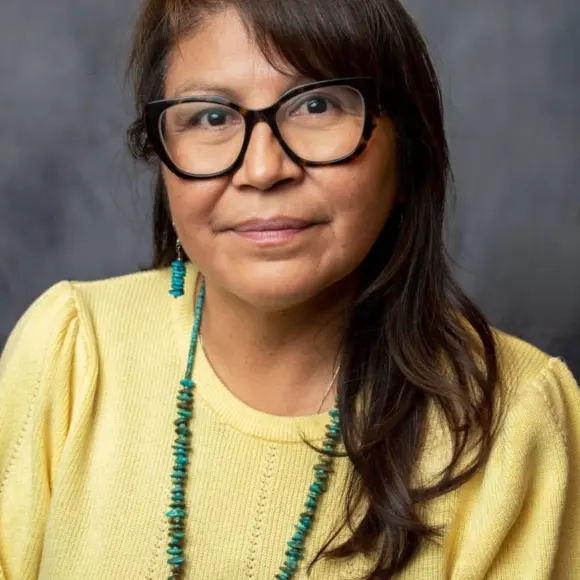
Melinda White, MSN
Chief Executive Officer
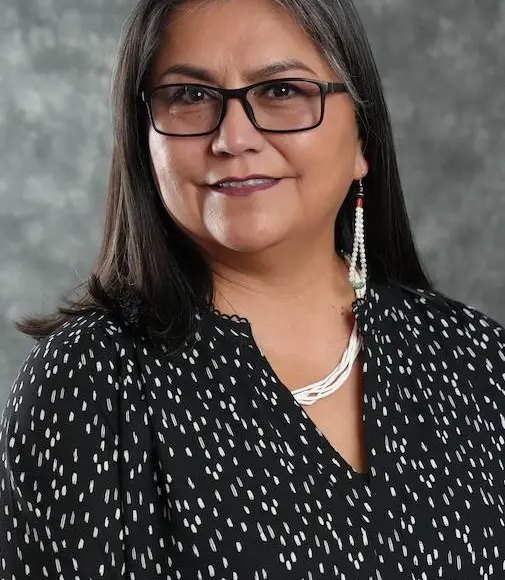
Tina James-Tafoya, MHA
Chief Operations Officer

Kenneth Anaeme, MD
Chief Medical Officer
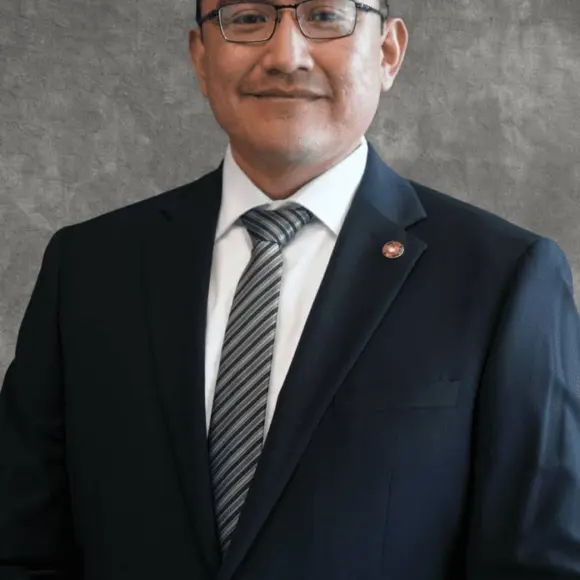
Brent Wauneka
Chief Financial Officer

Accreditations

The Joint Commission, formerly known as JCAHO, is a nonprofit organization that accredits rehab organizations and programs. Founded in 1951, the Joint Commision's mission is to improve the quality of patient care and demonstrating the quality of patient care.
Joint Commission Accreditation: Yes
Rehab.com regularly reviews this listing for accuracy but changes may occur between updates. For the most up-to-date information, please contact Navajo Health Foundation – Sage Memorial Hospital.
Contact Information


191 AZ-264
Ganado, AZ 86505
Sponsored Helpline

