






























































































SLA jacksonville Florida literally saved my life... I tried calling 4 other rehab other sober living places and they all wanted money for me to come to there places. SLA jacksonville Florida accepted me with no requirements besides the urge to want to quit using drugs. The ...
About Sober Living America Jacksonville
Although they charge rent, there are no funds needed for admission and admission is on the same day. They offer career training and development classes. They help clients who cannot find jobs so they can pay rent.
Clients are provided with transportation to doctors’ appointments and work. They provide both counselors and peer to peer counseling. There are AA meetings on site as well as 12 step study groups.
Looking for a rehab in Florida can be challenging because many have not been in business very long. This place has been in business for over 20 years.They are part of a larger corporation that was established in 1994 and has 2000 homes nationwide.
Clients will take part in group therapy here. They also have an individual session each week. Clients say that the counselors are caring and the peer support have helped them stay sober.
People are most comfortable living with and sharing private information with the people they have the most in common with. They offer two different sober living facilities one for men and another that is coed. You should know that this is a religious facility and residents will participate in spiritual education.
Facility Overview
 1600
1600 Number of Available Beds
 15 - 30
 Avg Length of Stay in Days
 $30
$30 Avg Cost per Day
Latest Reviews
I have been sober for 330 days, thanks to the guidance of Sober Living America. I came in a broken woman and as I write this now, working the steps, attending meetings and securing a sponsor, my my broken puzzle has been put back together. I am now strong, healthy, and content. I am blessed and thankful for Sober Living America.
I started my journey on the JAX1 campus, and transfered to the new Lakeland FL campus after the closing of JAX1. The campus is so beautiful and I am so glad I made the move with the campus. Sober Living America changed the way I see life as well as how I see myself. They gave me the tools I needed to live a sober life and have peace and joy again. Salvatore was my Director on JAX1 and remains my Director on the Lakeland campus. He shows such grace every day. He chooses recovery over character and money. He has a vast knowledge of recovery, and I continue to learn from him every day. We are a family here and we help each other through the difficult moments we face. God only knows where I would be without this program. I would recommend Sober Living America to anyone who is struggling with addiction. Thank you to Salvatore and the staff for all of God's work you do!
I can't say enough about the staff here at the Jacksonville, Florida campus. If you want sobriety they offer a great environment and path for recovery.

Rehab Score
 Our Methodology
Scoring is assigned by a proprietary system which helps surface key metrics that determine quality. The 10-point scale factors in categories such as operations, customer satisfaction, and trust metrics. Read Full Methodology

7.8 / 10
Gallery
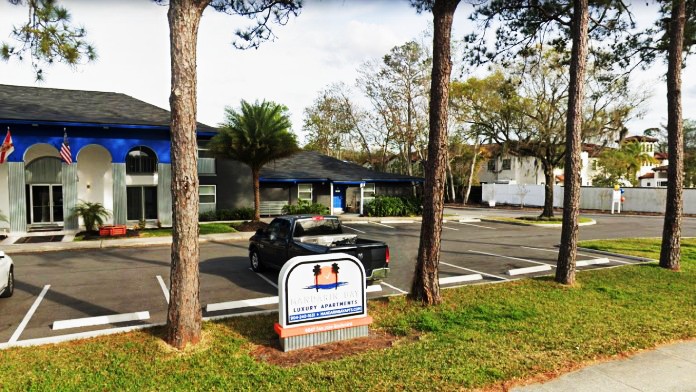
Other Forms of Payment
Self-pay involves paying for treatment out of your own pocket. You can use savings or credit, get a personal loan, or receive help from family and friends to fund your treatment. If you don't have insurance or your insurance plan doesn't cover a specific program, self-pay can help ensure you still get the care you need.
Addiction Treatments
Levels of Care
Outpatient Programs (OP) are for those seeking mental rehab or drug rehab, but who also stay at home every night. The main difference between outpatient treatment (OP) and intensive outpatient treatment (IOP) lies in the amount of hours the patient spends at the facility. Most of the time an outpatient program is designed for someone who has completed an inpatient stay and is looking to continue their growth in recovery. Outpatient is not meant to be the starting point, it is commonly referred to as aftercare.
Clients typically choose inpatient rehab when they are in early recovery or are experiencing a crisis that puts them at an increased risk of relapse. They reside at the treatment center for the length of their program, which may range from two weeks to more than 18 months, depending on the program design. Intensive psychotherapy is often the primary treatment modality, but clients in inpatient care may also receive holistic treatment and recovery-focused life skills training.
12 step programs support recovery through emotional, psychological, and spiritual development to address the root causes of addiction. These programs are peer directed, with participants regularly attending 12 step meetings, which are anonymous, free, and accessible day and night, year-round. Recovery is based on "working the steps" to understand the source of addiction, take accountability for one's life choices, and relinquish control for that which cannot be changed. Age-specific, gender-separate, and other specialized programs are widely available.
Sober Living Houses (SLHs), aka sober homes or halfway houses, are safe, substance-free, supportive living facilities for those recovering from substance abuse. Ideal for those who've just been through inpatient or outpatient treatment, SLHs are supervised environments with rules that support sobriety, such as curfews, shared chores, and therapeutic meetings. Residents are also often trained on life skills and coping skills to make it easier to transition into society. SLHs also provide a strong sense of community that can lead to the kind of deep and lasting connections with other sober individuals that supports a new, healthy lifestyle.
The first step of the recovery process involves the removal of all drugs and alcohol from your system while under 24/7 medical supervision. Known as a medically assisted detox, you are closely monitored by medical staff who can provide medications, if necessary, to help alleviate any potential withdrawal symptoms. Medical detox is usually followed by a period of inpatient addiction treatment.
Treatments
The goal of treatment for alcoholism is abstinence. Those with poor social support, poor motivation, or psychiatric disorders tend to relapse within a few years of treatment. For these people, success is measured by longer periods of abstinence, reduced use of alcohol, better health, and improved social functioning. Recovery and Maintenance are usually based on 12 step programs and AA meetings.
Drug rehab in Florida provides quality treatment to help individuals overcome dependency related to a wide range of addictive substances. Programs address both the physical and mental aspects of addiction in order to help you make a full recovery.
A combined mental health and substance abuse rehab has the staff and resources available to handle individuals with both mental health and substance abuse issues. It can be challenging to determine where a specific symptom stems from (a mental health issue or an issue related to substance abuse), so mental health and substance abuse professionals are helpful in detangling symptoms and keeping treatment on track.
Programs
Adult rehab programs include therapies tailored to each client's specific needs, goals, and recovery progress. They are tailored to the specific challenges adult clients may face, including family and work pressures and commitments. From inpatient and residential treatment to various levels of outpatient services, there are many options available. Some facilities also help adults work through co-occurring conditions, like anxiety, that can accompany addiction.
Clinical Services
Group therapy is any therapeutic work that happens in a group (not one-on-one). There are a number of different group therapy modalities, including support groups, experiential therapy, psycho-education, and more. Group therapy involves treatment as well as processing interaction between group members.
In individual therapy, a patient meets one-on-one with a trained psychologist or counselor. Therapy is a pivotal part of effective substance abuse treatment, as it often covers root causes of addiction, including challenges faced by the patient in their social, family, and work/school life.
Life skills trainings involve all the skills a person must have in order to function successfully in the world. These include time management, career guidance, money management, and effective communication. Truly successful addiction recovery is based on the ability to not only live substance-free, but to thrive. Life skills teaches the practical necessities of functioning in society, which sets clients up for success in life, and therefore sobriety.
Staff & Accreditations
Staff
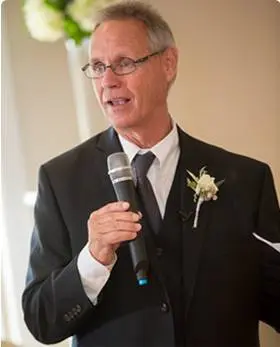
Jim DeVarennes
President and Founder

Danielle Anderson
Executive Administrator
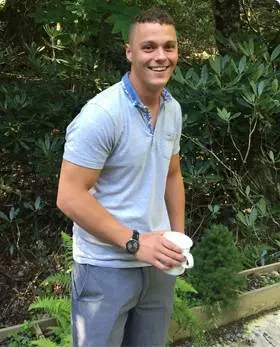
Levi Jones
Vice President Operations
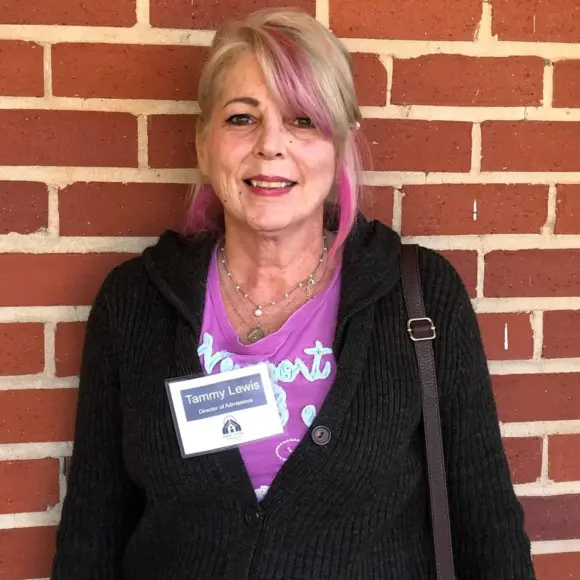
Tammy Lewis
Admissions Director
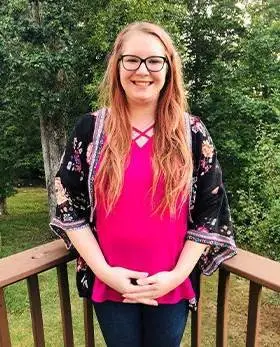
Brandy Eighner
Regional Director
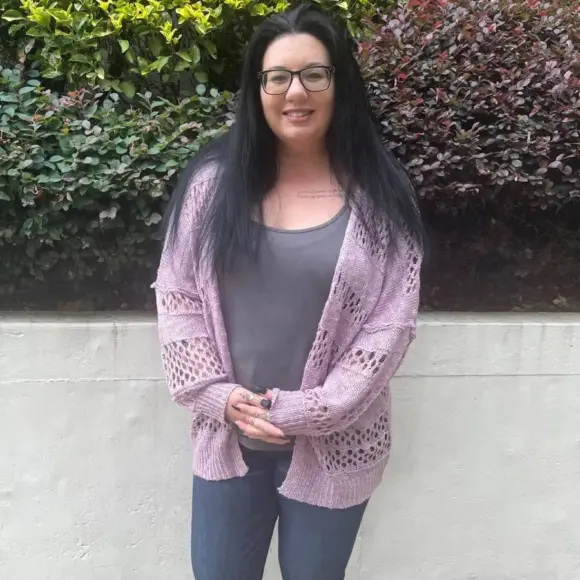
Jennifer Fulk
Help Center Director
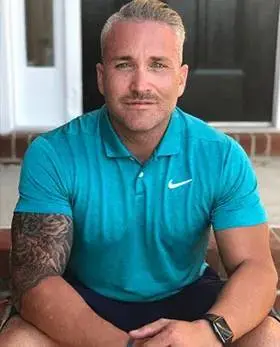
Travis Merck
Vice President Sales & Career Development
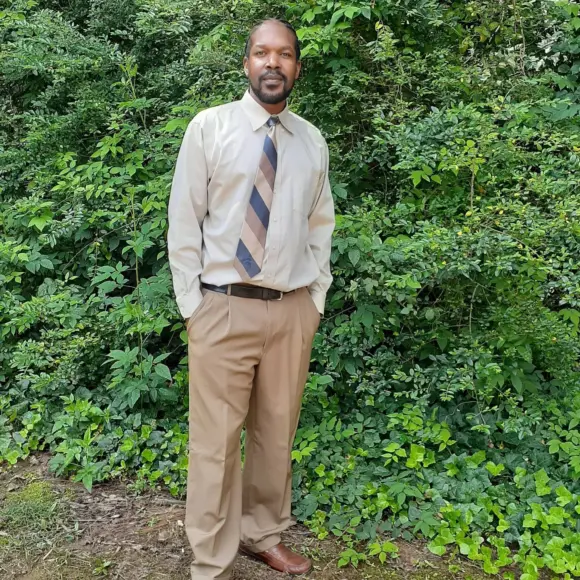
Kenneth Woods
Regional Director
Accreditations

The Commission on Accreditation of Rehabilitation Facilities (CARF) is a non-profit organization that specifically accredits rehab organizations. Founded in 1966, CARF's, mission is to help service providers like rehab facilities maintain high standards of care.
CARF Accreditation: Yes
Rehab.com regularly reviews this listing for accuracy but changes may occur between updates. For the most up-to-date information, please contact Sober Living America Jacksonville.
Contact Information

9047 San Jose Blvd
Suite 523
Jacksonville, FL 32257
Get Help Now - 904-658-1359
Sponsored Helpline
Sponsored Helpline


