































































































Staff seem disconnected from each other and there clients. Feels like something is off, or like nobody likes each other. Seems like everything and everyone is disorganized and clients take a back seat.
About Sophros Recovery – Jacksonville
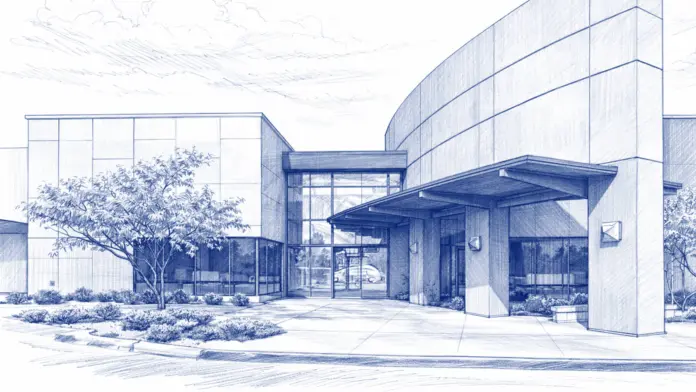
Sophros Recovery provides addiction treatment in Jacksonville, Florida. The location offers assistance to adults 18 and older who need help overcoming substance use disorder. The center works with most healthcare plans and offers insurance verification to help guests understand their benefits before starting treatment.
Medications for Withdrawal
The team at Sophros Recovery understands that some guests avoid seeking treatment due to the fear of withdrawal. One of the resources they offer to help mitigate this addiction medication for guests struggling with opioid or alcohol dependence. They use FDA-approved medicines to reduce cravings and lessen withdrawal symptoms so clients can focus on healing without uncomfortable distractions.
Wraparound Care
Sophros offers convenient outpatient care that allows clients to continue with work and family obligations. In addition to medication to support the withdrawal process, they also include therapy sessions to provide a strong foundation for recovery. These sessions can help with behavior modification, developing healthy coping skills and recognizing substance use triggers to avoid.
Case management is available to guide guests through the program and includes life skills access to coordinate the proper tools and resources for ongoing recovery. Care managers can help connect guests to safe housing, career opportunities, continued treatment access and financial management assistance.
They provide Alumni support that involves sober activities, peer support, mindfulness groups and gatherings that include family members for fun and engagement. It is near local attractions such as the St. Johns River and Mandarin Park, where guests can enjoy nature walks and recreational activities that may promote continued recovery and relaxation.
Latest Reviews
I don’t say this lightly, this program genuinely saved my life. Bella was such an incredible therapist, she worked with me through an incredibly dark time in my life. She advocated for me, held me accountable with kindness, and was exactly what I needed. Nick, the CEO, did my initial assessment, and from the moment I talked to him, I knew this was the program for me. He moved mountains to make sure I got the treatment I needed. Also a shoutout to Stephen for his groups, particularly music, that brought joy, reminding us that it’s okay to have fun and laugh while staying active in recovery. I will sing my praises for this program forever.
Military and first responder group was very beneficial.
I really had a great experience there. In fact I'm rocking my Sophros T-shirt today lol. I got a lot out of the groups and thought y'all had really good facilitators. I did a 30 day residential treatment before doing IOP at Sophros and it was really a great step down program for my recovery. I would highly recommend it to anyone dealing with substance abuse and/or Mental Health issues. It’s in a nice/safe area of Jax and the facility itself was kept VERY clean. I recently reached 6 months of sobriety and Sophros is a big reason for that! Thanks again!
Response from the owner4 weeks ago
Congratulations on 6 months! That is such a win! Thank you for trusting us to be a part of your healing and recovery journey through IOP treatment. Keep fighting for the life you deserve and know that you have a group of people cheering you on! 
Rehab Score
 Our Methodology
Scoring is assigned by a proprietary system which helps surface key metrics that determine quality. The 10-point scale factors in categories such as operations, customer satisfaction, and trust metrics. Read Full Methodology

7.2 / 10
Location
Accepted Insurance
Other Forms of Payment
Military members, veterans, and eligible dependents have access to specific insurance programs that help them get the care they need. TRICARE and VA insurance can help you access low cost or no cost addiction and mental health treatment. Programs that accept military insurance often have targeted treatment focused on the unique challenges military members, veterans, and their families face.
Private insurance refers to any kind of healthcare coverage that isn't from the state or federal government. This includes individual and family plans offered by an employer or purchased from the Insurance Marketplace. Every plan will have different requirements and out of pocket costs so be sure to get the full details before you start treatment.
Self-pay involves paying for treatment out of your own pocket. You can use savings or credit, get a personal loan, or receive help from family and friends to fund your treatment. If you don't have insurance or your insurance plan doesn't cover a specific program, self-pay can help ensure you still get the care you need.
Addiction Treatments
Levels of Care
Often referred to as "day treatment," a partial hospitalization program (PHP) offers an intensive treatment option that allows individuals to return home at night. PHP treatment typically requires a minimum of 20 hours a week for an average of 90 days. Participants attend daily therapeutic sessions, receive medication management, and have access to skilled medical professionals. While costs can vary, most insurance will fully or partially cover a partial hospitalization program.
Intensive outpatient programs (IOP) involve frequent and robust therapeutic sessions for clients requiring high-level care. Clients may engage in a combination of medication assisted treatment (MAT), addiction counseling, recovery skills training, and holistic therapies for a minimum of nine and a maximum of 20 hours per week. Intensive outpatient rehab is designed primarily for persons in early recovery, those exiting detox or inpatient care, and those at an elevated relapse risk.
Outpatient rehabs encompass multiple levels of care to facilitate clients' progress through their recovery journey. Clients who are stepping down from inpatient treatment may require intensive outpatient (IOP) treatment, which involves more frequent and substantive therapeutic interventions than does standard outpatient care. Outpatient centers typically provide extensive addiction counseling, including individual, group, and family therapy. Medication assisted treatment programs (MAT) and recovery-focused life skills training are also common in outpatient care.
Rehab aftercare programs are a collection of highly individualized services designed to promote long-term recovery. These services evolve as your needs change. Case managers and recovery teams typically begin formulating the rehab aftercare service plan early in the recovery process to facilitate your reintegration back into the home, workplace, and community.
Treatments
When a person has alcohol use disorder (AUD), also referred to as alcoholism or alcohol addiction, they experience withdrawal symptoms when they stop drinking. This physical dependence results from overuse of alcohol, which may be used as a coping mechanism or escape. Individuals who have AUD can overcome the alcohol addiction through alcohol rehab in Florida. This treatment process involves essential therapy and supports to help the individual achieve and maintain recovery.
Drug rehab in Florida provides quality treatment to help individuals overcome dependency related to a wide range of addictive substances. Programs address both the physical and mental aspects of addiction in order to help you make a full recovery.
 Opioid Addiction
In Florida, substance abuse treatment focuses on treating mental health and substance use disorders concurrently to improve recovery outcomes and overall health. Levels of care include medical detox, outpatient, residential treatment, and intensive outpatient programs. Clinicians utilize evidence-based therapies such as dialectical behavioral therapy (DBT) or medication-assisted treatment, group therapy, and skills training activities. This comprehensive approach to treatment helps to ensure sustained recovery.
In Florida, substance abuse treatment focuses on treating mental health and substance use disorders concurrently to improve recovery outcomes and overall health. Levels of care include medical detox, outpatient, residential treatment, and intensive outpatient programs. Clinicians utilize evidence-based therapies such as dialectical behavioral therapy (DBT) or medication-assisted treatment, group therapy, and skills training activities. This comprehensive approach to treatment helps to ensure sustained recovery.
When you have a mental health disorder and an addiction, it's known as a co-occurring disorder. Since treating both conditions at the same time is critical, you'll want to seek out a dual diagnosis treatment center. These specialized rehabs offer the care needed to overcome both disorders, which drastically increases your chances of success in long-term recovery. Types of therapies provided tend to include individual and group counseling, relapse prevention education, coping skills training, and cognitive behavioral therapy (CBT).
Programs
Adult rehab programs include therapies tailored to each client's specific needs, goals, and recovery progress. They are tailored to the specific challenges adult clients may face, including family and work pressures and commitments. From inpatient and residential treatment to various levels of outpatient services, there are many options available. Some facilities also help adults work through co-occurring conditions, like anxiety, that can accompany addiction.
Serving in the military is both mentally and physically challenging, and can result in trauma that persists even after combat ends. Military programs are tailored to the specific and often complex needs of active duty personnel, veterans, and military families. Clients often access these programs through the U.S. Department of Veterans Affairs (VA).
Clinical Services
Therapists who apply cognitive behavioral therapy in Florida believe patient thoughts and behaviors are closely linked. They use this treatment method to help clients change their thought patterns so they can also change behaviors and break free from substance abuse.
During couples therapy in Florida, your therapist will take steps to get to know you, help you identify feelings, explore the past, develop solutions, and help you learn skills to manage relationship challenges. This process will allow you to work through conflict and strengthen your relationship.
Dialectical behavior therapy in Florida consists of individual therapy and group instruction. This structured program is a form of psychotherapy that incorporates the development of skills for managing emotions and relationships.
Group therapy provides a safe and supportive environment for people in Florida who are struggling with drug addiction. There you can openly discuss the challenges and progress you're making without fear of judgment from your peers who experience many of the same things you are.
Individual therapy often includes Cognitive Behavioral Therapy. This is a structured approach to identifying and changing negative thought patterns. During therapy you learn how what you think drives your actions so you can develop healthier coping strategies to manage addiction triggers and reduce drug use.
Life skills are the core skills you need for daily success. They can include self care, stress management, daily routines, and emotion control. Rehab treatment includes the development of these skills so you have the tools you need for long term recovery.
Trauma therapy helps you work through the psychological impact that traumatic events have had on your life. Your therapist helps you identify the physical, emotional, and mental triggers and develop coping mechanisms. This helps rebuild a sense of safety and trust in yourself and others.
Amenities
-
 Art activities
 -
 WiFi
WiFi
Accreditations

The Commission on Accreditation of Rehabilitation Facilities (CARF) is a non-profit organization that specifically accredits rehab organizations. Founded in 1966, CARF's, mission is to help service providers like rehab facilities maintain high standards of care.
CARF Accreditation: Yes

State Licenses are permits issued by government agencies that allow rehab organizations to conduct business legally within a certain geographical area. Typically, the kind of program a rehab facility offers, along with its physical location, determines which licenses are required to operate legally.
State License: Florida
Rehab.com regularly reviews this listing for accuracy but changes may occur between updates. For the most up-to-date information, please contact Sophros Recovery – Jacksonville.
Contact Information

2511 St Johns Bluff Rd S
STE 106
Jacksonville, FL 3224
Get Help Now - 904-658-1359
Sponsored Helpline
Sponsored Helpline



