





























































































About South Portland Comprehensive Treatment Center
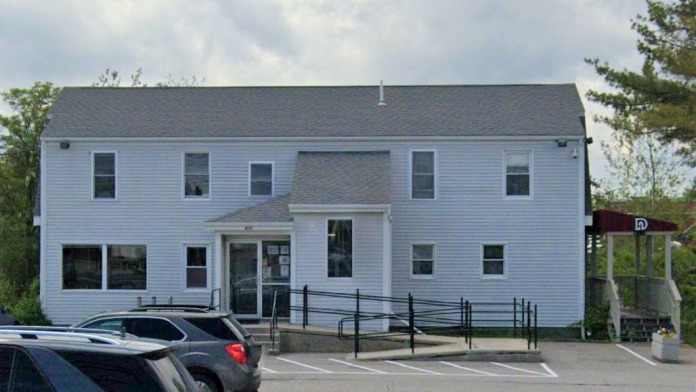
South Portland Comprehensive Treatment Center is an outpatient opioid treatment clinic in South Portland, Maine specializing in medication assisted treatment for adults struggling with opioid use disorder.
The center combines FDA approved medications with individual and group counseling to support long term recovery.
Medication Assisted Treatment with Methadone, Suboxone and Buprenorphine
Treatment begins with a comprehensive intake and evaluation, during which staff assess opioid use history and living circumstances to personalize medication choice and recovery goals.
South Portland Comprehensive Treatment Center offers methadone, Suboxone and buprenorphine maintenance as part of its MAT approach pairing medication with structured counseling support.
Clients participate in both individual therapy and group counseling designed to address the psychological and behavioral aspects of opioid addiction.
The program emphasizes individualized treatment planning, relapse prevention and skill building with take home dosing available when clinically appropriate to support greater flexibility and independence in recovery.
Key Features
- Location: South Portland with accessible directions available on the official website
- Services: Outpatient MAT for opioid use disorder, including methadone, Suboxone and buprenorphine maintenance
- Counseling: Individual and group therapy integrated into every treatment plan
- Payment options: Accepts commercial insurance, Medicaid, Medicare, Tricare, state and public funding and self pay
Latest Reviews



Rehab Score
 Our Methodology


Gallery
Other Forms of Payment
Private insurance refers to any kind of healthcare coverage that isn't from the state or federal government. This includes individual and family plans offered by an employer or purchased from the Insurance Marketplace. Every plan will have different requirements and out of pocket costs so be sure to get the full details before you start treatment.
Self-pay involves paying for treatment out of your own pocket. You can use savings or credit, get a personal loan, or receive help from family and friends to fund your treatment. If you don't have insurance or your insurance plan doesn't cover a specific program, self-pay can help ensure you still get the care you need.
Medicare is a federal program that provides health insurance for those 65 and older. It also serves people under 65 with chronic and disabling health challenges. To use Medicare for addiction treatment you need to find a program that accepts Medicare and is in network with your plan. Out of pocket costs and preauthorization requirements vary, so always check with your provider.
Military members, veterans, and eligible dependents have access to specific insurance programs that help them get the care they need. TRICARE and VA insurance can help you access low cost or no cost addiction and mental health treatment. Programs that accept military insurance often have targeted treatment focused on the unique challenges military members, veterans, and their families face.
Medicaid is a state based program that helps lower-income individuals and families pay for healthcare. Medicaid covers addiction treatment so those enrolled can use their coverage to pay for rehab. When a program accepts Medicaid the client often pays very little or nothing out of their own pocket.
Addiction Treatments
Levels of Care
Outpatient Programs (OP) are for those seeking mental rehab or drug rehab, but who also stay at home every night. The main difference between outpatient treatment (OP) and intensive outpatient treatment (IOP) lies in the amount of hours the patient spends at the facility. Most of the time an outpatient program is designed for someone who has completed an inpatient stay and is looking to continue their growth in recovery. Outpatient is not meant to be the starting point, it is commonly referred to as aftercare.
Medical detox is the process of removing addictive substances from your body while under medical supervision. Quitting alcohol and drugs on your own can cause uncomfortable and even dangerous side effects. In a medically supervised detox, licensed medical professionals monitor you 24/7 to help keep you as safe and comfortable as possible. The process is highly individualized to fit your specific needs, but the medical detox generally takes 5-7 days.
Programs
Adult rehab programs include therapies tailored to each client's specific needs, goals, and recovery progress. They are tailored to the specific challenges adult clients may face, including family and work pressures and commitments. From inpatient and residential treatment to various levels of outpatient services, there are many options available. Some facilities also help adults work through co-occurring conditions, like anxiety, that can accompany addiction.
Clinical Services
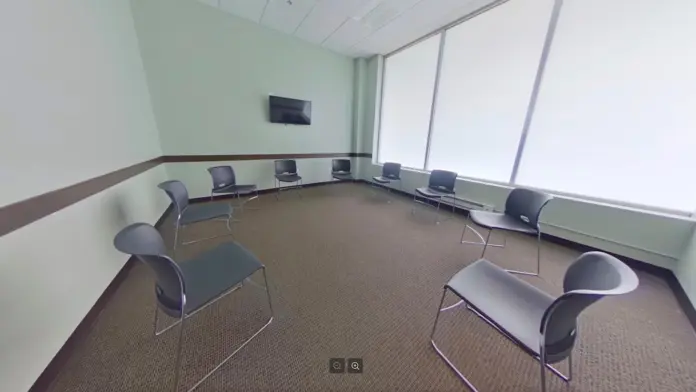
Men and women in Maine who participate in group therapy sessions find it builds a sense of community among the participants. Group therapy is usually facilitated by trained therapists who incorporate evidence based techniques that promote recovery and lasting change.
Accreditations

The National Association of Addiction Treatment Providers (NAATP) is a professional association that represents organizations in the field of addiction services. Founded in 1978, NAATP's mission is to advance addiction services and ensure that high-quality addiction treatment is available and accessible.
NAATP Member: Yes

The Substance Abuse and Mental Health Services Administration (SAMHSA) is a branch of the U.S. Department of Health and Human Services. Established in 1992 by congress, SAMHSA's mission is to reduce the impact of substance abuse and mental illness on American's communities.
SAMHSA Listed: Yes
Rehab.com regularly reviews this listing for accuracy but changes may occur between updates. For the most up-to-date information, please contact South Portland Comprehensive Treatment Center.
Contact Information


400 Western Ave
South Portland, ME 04106
Sponsored Helpline


