






























































































So far its been very professional and caring I've only been their 2 times so far and its been great they make you feel very welcome and understand your problems with addiction and not making me feel ashamed
About Sunrise Treatment Center – West side
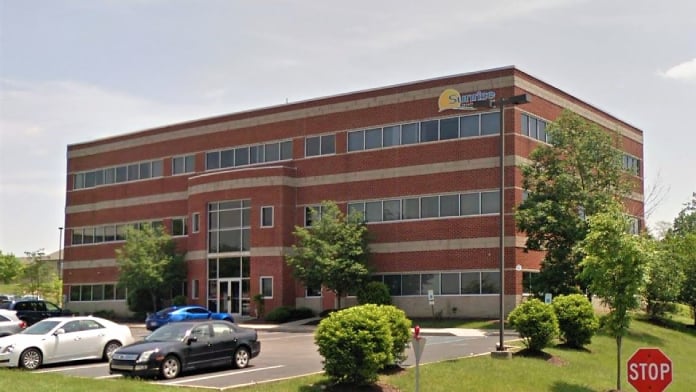
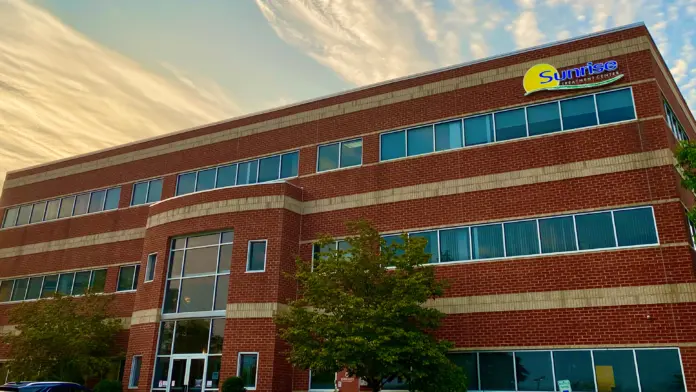
You’ll find Sunrise Treatment Center West Side in Cincinnati, Ohio, the state’s third most populous city. Established in 2007, they welcome voluntary adults seeking recovery. You can participate in detox and outpatient treatment for addiction and co occurring mental health disorders.
Their standard outpatient program provides proven therapeutic interventions as you live at home. Individual counseling and crisis intervention as well as basic case management services are available. You’ll benefit from recognizing and addressing the underlying factors contributing to addiction while working on other essential life aspects.
Personalized Approaches for Pregnant Women
What strikes me most is they offer pregnancy services here. Their experienced professionals are well versed in assisting pregnant women seeking care, including medication assisted treatment. You’ll benefit from ongoing support and encouragement for you and your child. They understand that experiencing addiction in pregnancy is a high risk situation and ensure you get the help you need.
Quality Care Regardless of Finances
Another great feature I noticed is they’ll never deny care based on your finances. Along with accepting multiple commercial providers, Medicaid and Medicare, they also have financial assistance if you’re uninsured. You can access a sliding fee discount based on eligibility. That way, finances won’t stop you from starting recovery.
General Medical Services
I also think it’s great that they have general medical services. You’ll focus on physical healing, with immunizations and routine health screenings, as well as chronic disease diagnosis, treatment, and monitoring. You’ll benefit from caring for your overall wellness and staying healthy and strong to support recovery.
Latest Reviews
Great place ,wit good, strong advocates, including every single employee has an ease of expertise in addiction and they help you become a better human being, kudos to all the Ladies and man I've come to admire!
10/10 Rating
Response from the owner2 weeks ago
Hi, Lisa. Thanks for taking the time to share your positive experience. We truly appreciate it!
Everyone is very nice,Hillary is amazing also my coupler is very understanding,Thank You MELISSA
Response from the owner2 weeks ago
Hi, Kathy. We are thrilled to learn that you had a positive experience with us!
Great staff and very quick
Response from the owner2 weeks ago
Hi, Tasha. We appreciate the kind words and are glad we could provide you with a positive experience! 
Rehab Score
 Our Methodology
Scoring is assigned by a proprietary system which helps surface key metrics that determine quality. The 10-point scale factors in categories such as operations, customer satisfaction, and trust metrics. Read Full Methodology

6.8 / 10
Gallery
Other Forms of Payment
Medicaid is a state based program that helps lower-income individuals and families pay for healthcare. Medicaid covers addiction treatment so those enrolled can use their coverage to pay for rehab. When a program accepts Medicaid the client often pays very little or nothing out of their own pocket.
Self-pay involves paying for treatment out of your own pocket. You can use savings or credit, get a personal loan, or receive help from family and friends to fund your treatment. If you don't have insurance or your insurance plan doesn't cover a specific program, self-pay can help ensure you still get the care you need.
Medicare is a federal program that provides health insurance for those 65 and older. It also serves people under 65 with chronic and disabling health challenges. To use Medicare for addiction treatment you need to find a program that accepts Medicare and is in network with your plan. Out of pocket costs and preauthorization requirements vary, so always check with your provider.
Addiction Treatments
Levels of Care
Outpatient Programs (OP) are for those seeking mental rehab or drug rehab, but who also stay at home every night. The main difference between outpatient treatment (OP) and intensive outpatient treatment (IOP) lies in the amount of hours the patient spends at the facility. Most of the time an outpatient program is designed for someone who has completed an inpatient stay and is looking to continue their growth in recovery. Outpatient is not meant to be the starting point, it is commonly referred to as aftercare.
Drug and alcohol addiction often takes a heavy toll on one's body. Over time, a physical dependence can develop, meaning the body physiologically needs the substance to function. Detox is the process of removing drugs and/or alcohol from the body, a process that can be lethal if mismanaged. Medical detox is done by licensed medical professionals who monitor vital signs and keep you safe, healthy, and as comfortable as possible as you go through detox and withdrawal.
Treatments
The goal of treatment for alcoholism is abstinence. Those with poor social support, poor motivation, or psychiatric disorders tend to relapse within a few years of treatment. For these people, success is measured by longer periods of abstinence, reduced use of alcohol, better health, and improved social functioning. Recovery and Maintenance are usually based on 12 step programs and AA meetings.
Drug rehab in Ohio provides comprehensive treatment to address the physical and psychological needs of those struggling with substance use disorders. This may involve inpatient and/or outpatient care.
Opioid rehabs specialize in supporting those recovering from opioid addiction. They treat those suffering from addiction to illegal opioids like heroin, as well as prescription drugs like oxycodone. These centers typically combine both physical as well as mental and emotional support to help stop addiction. Physical support often includes medical detox and subsequent medical support (including medication), and mental support includes in-depth therapy to address the underlying causes of addiction.
Substance rehabs focus on helping individuals recover from substance abuse, including alcohol and drug addiction (both illegal and prescription drugs). They often include the opportunity to engage in both individual as well as group therapy.
Programs
Adult rehab programs include therapies tailored to each client's specific needs, goals, and recovery progress. They are tailored to the specific challenges adult clients may face, including family and work pressures and commitments. From inpatient and residential treatment to various levels of outpatient services, there are many options available. Some facilities also help adults work through co-occurring conditions, like anxiety, that can accompany addiction.
Young adulthood can be an exciting, yet difficult, time of transition. Individuals in their late teens to mid-20s face unique stressors related to school, jobs, families, and social circles, which can lead to a rise in substance use. Rehab centers with dedicated young adult programs will include activities and amenities that cater to this age group, with an emphasis on specialized counseling, peer socialization, and ongoing aftercare.
Clinical Services
Group therapy is any therapeutic work that happens in a group (not one-on-one). There are a number of different group therapy modalities, including support groups, experiential therapy, psycho-education, and more. Group therapy involves treatment as well as processing interaction between group members.
Staff

Dr. Nabil Ghobril
Medical Director
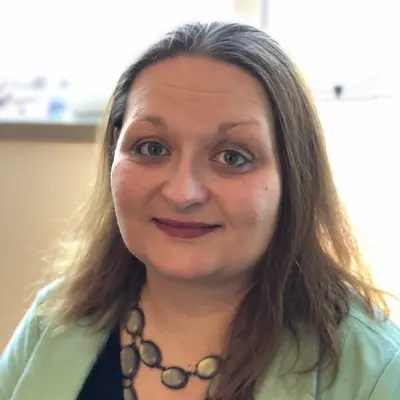
Sara Ritchie
Clinical Director
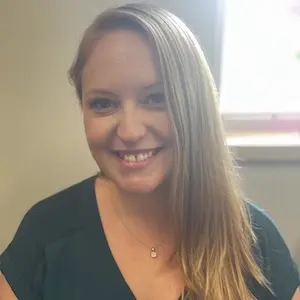
Amanda Martin
Clinical Supervisor
Rehab.com regularly reviews this listing for accuracy but changes may occur between updates. For the most up-to-date information, please contact Sunrise Treatment Center – West side.
Contact Information

6460 Harrison Ave
Cincinnati, OH 45247
Get Help Now - 513-427-2173
Sponsored Helpline
Sponsored Helpline



