






























































































Thanks to the mercy of God I am free of substances and thanks to him and His gospel I can go on with my life professing his love. Love your body and your neighbor, respect yourselves, give yourself space, understand that God knows what he does and the path we must follow is ...
About Teen Challenge Ew England Inc
Those 18 and older can attend Teen Challenge Rhode Island. Despite its name, this addiction treatment center helps women overcome drug and alcohol addiction. Those interested in enrolling in the five phase Christian residential program can learn more about it below:
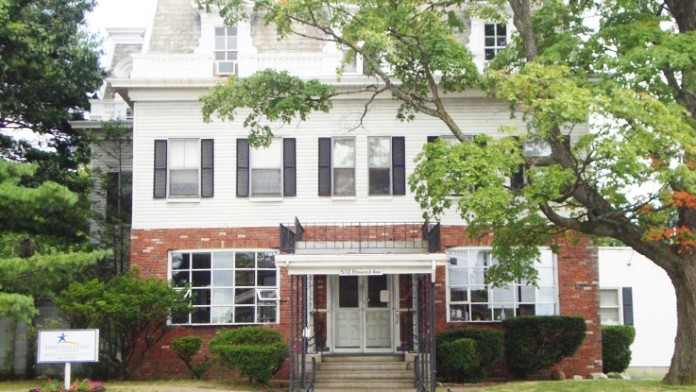
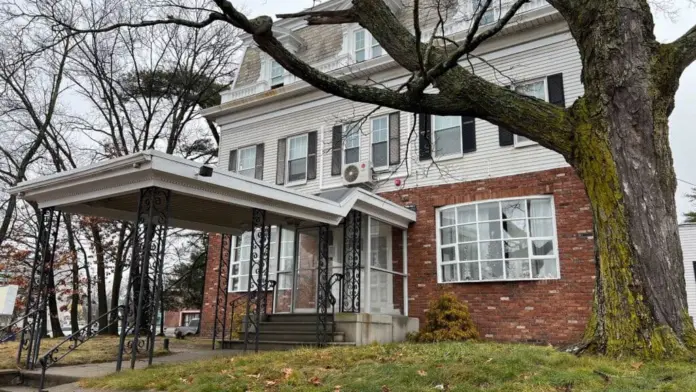
The Christian residential treatment program offered by Teen Challenge Rhode Island provides a unique addiction treatment approach for women actively seeking recovery. This program has been operational since 1994 and is run from within a group home that is on the front lines of Southern New England’s drug epidemic.
Those enrolled in this program can expect to attend individual and group counseling for 10 to 12 months. During this time, patients are taught how to uncover the root cause of their drug and alcohol addiction. By the end of this program, women will have recovered spiritually, physically, and emotionally through faith based therapies and activities.

Rehab Score
 Our Methodology
Scoring is assigned by a proprietary system which helps surface key metrics that determine quality. The 10-point scale factors in categories such as operations, customer satisfaction, and trust metrics. Read Full Methodology

7.7 / 10
Gallery
Accepted Insurance
Other Forms of Payment
Private insurance refers to any kind of healthcare coverage that isn't from the state or federal government. This includes individual and family plans offered by an employer or purchased from the Insurance Marketplace. Every plan will have different requirements and out of pocket costs so be sure to get the full details before you start treatment.
Self-pay involves paying for treatment out of your own pocket. You can use savings or credit, get a personal loan, or receive help from family and friends to fund your treatment. If you don't have insurance or your insurance plan doesn't cover a specific program, self-pay can help ensure you still get the care you need.
Medicaid is a state based program that helps lower-income individuals and families pay for healthcare. Medicaid covers addiction treatment so those enrolled can use their coverage to pay for rehab. When a program accepts Medicaid the client often pays very little or nothing out of their own pocket.
Addiction Treatments
Levels of Care
Outpatient Programs (OP) are for those seeking mental rehab or drug rehab, but who also stay at home every night. The main difference between outpatient treatment (OP) and intensive outpatient treatment (IOP) lies in the amount of hours the patient spends at the facility. Most of the time an outpatient program is designed for someone who has completed an inpatient stay and is looking to continue their growth in recovery. Outpatient is not meant to be the starting point, it is commonly referred to as aftercare.
Residential treatment programs are those that offer housing and meals in addition to substance abuse treatment. Rehab facilities that offer residential treatment allow patients to focus solely on recovery, in an environment totally separate from their lives. Some rehab centers specialize in short-term residential treatment (a few days to a week or two), while others solely provide treatment on a long-term basis (several weeks to months). Some offer both, and tailor treatment to the patient's individual requirements.
Rehab aftercare programs provide a complete continuum of care for clients who have successfully completed higher level treatment programs but who may still be enrolled in formal outpatient treatments. These programs are also designed for clients who have been discharged from outpatient care. Drug rehab aftercare facilitates clients' long-term sobriety through a full suite of customized services aligned with the client's evolving needs. These services may include peer coaching, career counseling, and 12 step program induction, among others.
The best course of treatment to achieve recovery starts with 24-hour clinical care in Rhode Island. Here, you can undergo medically managed detox, where medical staff can monitor your health and progress. You'll receive constant supervision and medication treatment to ensure withdrawal symptoms do not become severe or pose health risks. Once stabilized, you'll move from the clinical setting to less intensive treatment for ongoing recovery.
In medically assisted detox, a team of medical professionals will be on hand 24/7 as your body is detoxing from addictive substances. As a result, you may experience physical and psychological side effects, such as mood swings, anxiety, nausea, or flu-like symptoms to help alleviate potential withdrawal symptoms, and keep you as safe and comfortable throughout this process.
Treatments
The goal of treatment for alcoholism is abstinence. Those with poor social support, poor motivation, or psychiatric disorders tend to relapse within a few years of treatment. For these people, success is measured by longer periods of abstinence, reduced use of alcohol, better health, and improved social functioning. Recovery and Maintenance are usually based on 12 step programs and AA meetings.
During drug rehab in Rhode Island, you'll participate in a variety of therapeutic interventions designed to help you break free from addiction. Common methods include cognitive behavioral therapy, music and art therapy, 12-step support, and nutrition/exercise.
Many of those suffering from addiction also suffer from mental or emotional illnesses like schizophrenia, bipolar disorder, depression, or anxiety disorders. Rehab and other substance abuse facilities treating those with a dual diagnosis or co-occurring disorder administer psychiatric treatment to address the person's mental health issue in addition to drug and alcohol rehabilitation.
A combined mental health and substance abuse rehab has the staff and resources available to handle individuals with both mental health and substance abuse issues. It can be challenging to determine where a specific symptom stems from (a mental health issue or an issue related to substance abuse), so mental health and substance abuse professionals are helpful in detangling symptoms and keeping treatment on track.
Opioid rehabs specialize in supporting those recovering from opioid addiction. They treat those suffering from addiction to illegal opioids like heroin, as well as prescription drugs like oxycodone. These centers typically combine both physical as well as mental and emotional support to help stop addiction. Physical support often includes medical detox and subsequent medical support (including medication), and mental support includes in-depth therapy to address the underlying causes of addiction.
Programs
Adult rehab programs include therapies tailored to each client's specific needs, goals, and recovery progress. They are tailored to the specific challenges adult clients may face, including family and work pressures and commitments. From inpatient and residential treatment to various levels of outpatient services, there are many options available. Some facilities also help adults work through co-occurring conditions, like anxiety, that can accompany addiction.
Young adulthood can be an exciting, yet difficult, time of transition. Individuals in their late teens to mid-20s face unique stressors related to school, jobs, families, and social circles, which can lead to a rise in substance use. Rehab centers with dedicated young adult programs will include activities and amenities that cater to this age group, with an emphasis on specialized counseling, peer socialization, and ongoing aftercare.
Recovery is most successful when clients feel accepted and validated by their peers and treatment providers. Facilities that offer LGBTQ-inclusive programming are committed to creating a safe space where everyone can grow and recover without fear of judgment or discrimination. They will have dedicated policies in place to create a safe and supportive environment that fosters free expression.
Rehabs for women provide a safe, nurturing space for female clients to heal. These treatment programs consider the specific obstacles that women can face during recovery and place a special emphasis on mental, social, physical, and reproductive health. They explore how each woman's experience has shaped the trajectory of their substance use, addressing issues such as sexual abuse and past trauma.
Clinical Services
Group therapy is any therapeutic work that happens in a group (not one-on-one). There are a number of different group therapy modalities, including support groups, experiential therapy, psycho-education, and more. Group therapy involves treatment as well as processing interaction between group members.
In individual therapy, a patient meets one-on-one with a trained psychologist or counselor. Therapy is a pivotal part of effective substance abuse treatment, as it often covers root causes of addiction, including challenges faced by the patient in their social, family, and work/school life.
Trauma focus therapy helps you heal from the psychological impact that trauma has had on your life. Using this approach promotes healing, helps you to better understand your emotional and physical responses, and fosters emotional resilience.
Couples who are in couples therapy meet with a licensed counselor weekly. The therapist mediates while each partner voices their concerns. The couple then receives feedback and insights on how to work through the challenges they're facing in the relationship.
Research clearly demonstrates that recovery is far more successful and sustainable when loved ones like family members participate in rehab and substance abuse treatment. Genetic factors may be at play when it comes to drug and alcohol addiction, as well as mental health issues. Family dynamics often play a critical role in addiction triggers, and if properly educated, family members can be a strong source of support when it comes to rehabilitation.
Life skills trainings involve all the skills a person must have in order to function successfully in the world. These include time management, career guidance, money management, and effective communication. Truly successful addiction recovery is based on the ability to not only live substance-free, but to thrive. Life skills teaches the practical necessities of functioning in society, which sets clients up for success in life, and therefore sobriety.
Experiential therapy is a form of therapy in which clients are encouraged to surface and work through subconscious issues by engaging in real-time experiences. Experiential therapy departs from traditional talk therapy by involving the body, and having clients engage in activities, movements, and physical and emotional expression. This can involve role-play or using props (which can include other people). Experiential therapy can help people process trauma, memories, and emotion quickly, deeply, and in a lasting fashion, leading to substantial and impactful healing.
Amenities
-
 Residential Setting
 -
 Private Rooms
Staff & Accreditations
Staff
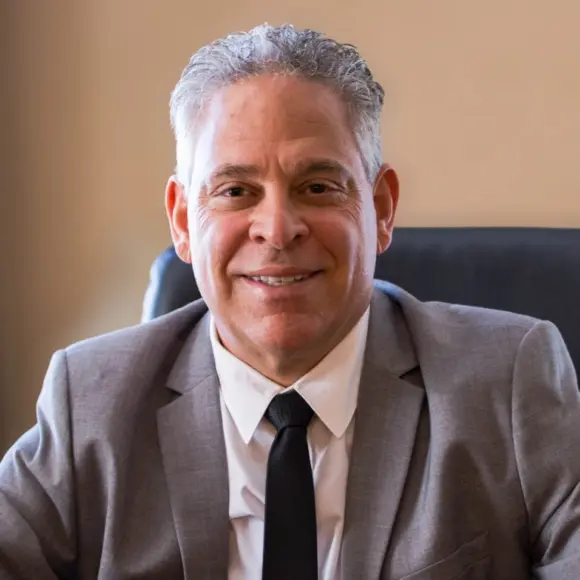
Pasco A. Manzo
CEO

Melissa Oliveira
Assistant of Chief Executive Officer
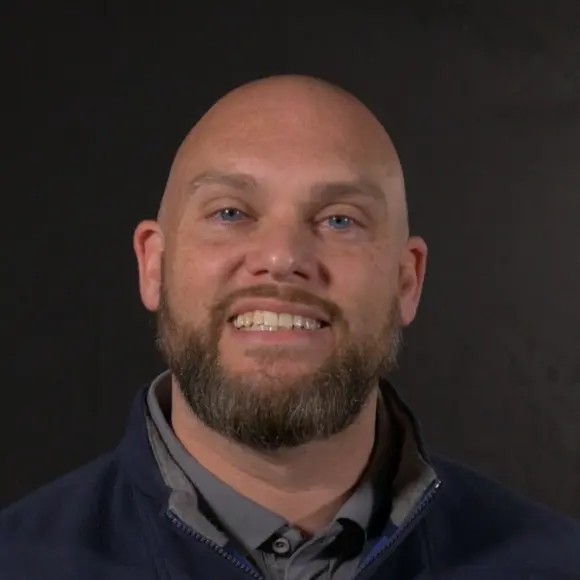
Dave Smith
VP of Finance

Joe Rand
Executive Leadership
Accreditations

The Substance Abuse and Mental Health Services Administration (SAMHSA) is a branch of the U.S. Department of Health and Human Services. Established in 1992 by congress, SAMHSA's mission is to reduce the impact of substance abuse and mental illness on American's communities.
SAMHSA Listed: Yes
Rehab.com regularly reviews this listing for accuracy but changes may occur between updates. For the most up-to-date information, please contact Teen Challenge Ew England Inc.
Contact Information

242 Adelaide Ave
Providence, RI 02907
Get Help Now - 401-315-8539
Sponsored Helpline
Sponsored Helpline


