






























































































I feel like you don't receive the same active care as before. They are not very proactive anymore, they don't take their time to actively listen to a client. NEVER return calls.
About The Center for Counseling & Consultation
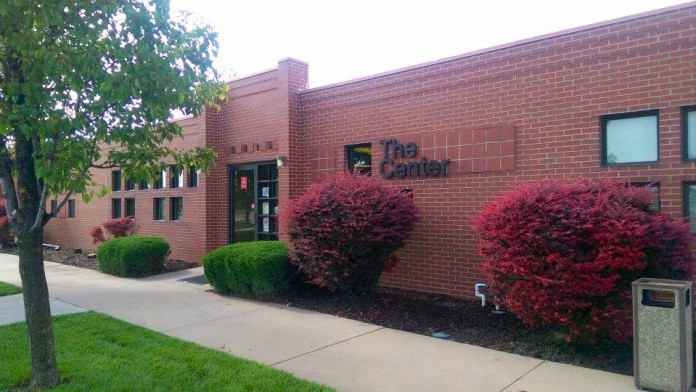
The Center for Counseling & Consultation is a Certified Community Behavioral Health Clinic in Great Bend, Kansas, providing substance use and mental health services to children, adults and seniors.
The center offers outpatient and intensive outpatient treatment, medication assisted treatment, cooccurring care, social detox and gambling counseling.
Serving its four county community since 1968, the organization is committed to ensuring that cost is never a barrier to quality care.
Social Detox and Reintegration Support
Substance use care here spans evaluations, outpatient and intensive outpatient programming, group counseling, smoking cessation, social detox and reintegration support.
Same day help is available through Open Access walk in hours and evaluations are used to match each person to the right level of care.
Treatment draws on evidence based approaches such as cognitive behavioral therapy, the Matrix Model, relapse prevention and 12 step facilitation.
Medication assisted treatment is combined with counseling, ongoing monitoring, skill building and personalized assessments to address both symptoms and underlying causes.
Integrated Cooccurring and Gambling Support
The center treats co-occurring mental health and substance use concerns through integrated care, supported by psychiatric medication evaluation and management from psychiatrist and APRN level providers.
Gambling addiction support is offered through one on one sessions with a Certified Gambling Counselor, rounding out a truly whole person recovery model.
Access, Coverage and Next Steps
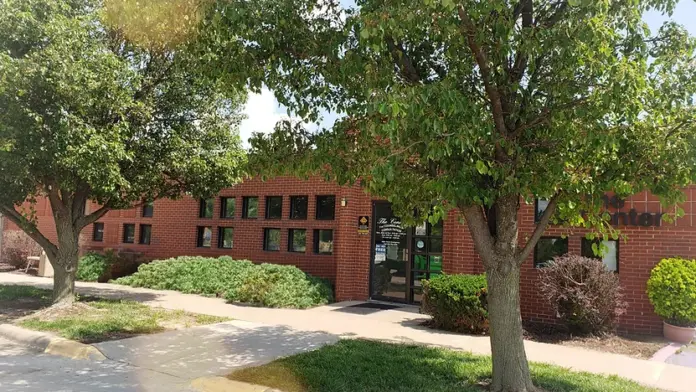
Services are delivered in person at the Great Bend location on Broadway Avenue, by appointment in Lyons, Larned and Stafford, and through telehealth across the region.
An onsite Genoa Pharmacy adds convenient prescription pickup and medication management.
The center accepts Medicaid, private and military insurance, self payment and government funding and offers a sliding fee scale.
Latest Reviews
Some are decent providers it’s like when u get a good vibe with a person out there they end up moving to a different job and it sucks I hope I can find a good counselor out there any suggestions anybody
We also want to acknowledge that we understand this review was shared some time ago. We are just now responding as we have recently implemented additional internal support that allows us to more closely monitor and engage with feedback on our online platforms. Input from those we serve helps us continue strengthening both our services and the experience of care.
If you are still looking for support, we would welcome the opportunity to help connect you with a provider who is a good fit for your needs. You can learn more about our therapists and areas of specialty on our enhanced therapy page at www.thecentergb.org/therapy, or reach out to our team directly at feedback@thecentergb.org
and we would be glad to assist.
Our mission is cultivating help, hope, and healing, and we are committed to helping individuals find the support that feels right for them.
Response from the owner1 week ago
Thank you for sharing your feedback. We understand how important it is to feel comfortable and connected with a provider, and we know it can be frustrating when transitions occur. Building trust takes time, and continuity of care is something we work hard to support whenever possible.We also want to acknowledge that we understand this review was shared some time ago. We are just now responding as we have recently implemented additional internal support that allows us to more closely monitor and engage with feedback on our online platforms. Input from those we serve helps us continue strengthening both our services and the experience of care.
If you are still looking for support, we would welcome the opportunity to help connect you with a provider who is a good fit for your needs. You can learn more about our therapists and areas of specialty on our enhanced therapy page at www.thecentergb.org/therapy, or reach out to our team directly at feedback@thecentergb.org
and we would be glad to assist.
Our mission is cultivating help, hope, and healing, and we are committed to helping individuals find the support that feels right for them.
The center has really changed a lot in a great way. They listen to us, have hired more people to help such as with our vitals and intake process. I love having my med providers they really listen to me and my concerns, my case manager is totally awesome, love the groups and I can't wait to see where the center goes!
We also want to acknowledge that we understand this review was shared some time ago. We are just now responding as we have recently implemented additional internal support that allows us to more closely monitor and engage with feedback on our online platforms. Over the past two years, we have continued to grow, refine processes, and implement new practices focused on improving the client experience and recruiting high-quality providers to serve our communities.
Whether you are still receiving services with us or have moved on to other supports, we truly appreciate the positive feedback you shared and hope your care experience continued to work well for your needs. Feedback like yours helps guide our ongoing efforts to strengthen access, communication, and overall quality of care.
If you ever have additional feedback you would like to share, you are always welcome to reach out to us directly at feedback@thecentergb.org.
Our mission is cultivating help, hope, and healing, and we remain committed to continually improving how we support individuals and families across our communities.
Response from the owner1 week ago
Thank you so much for taking the time to share your experience. We truly appreciate your kind words about your providers, case manager, and group services, as well as your recognition of improvements to our intake and vitals processes. Hearing that you felt listened to and supported means a great deal to our team.We also want to acknowledge that we understand this review was shared some time ago. We are just now responding as we have recently implemented additional internal support that allows us to more closely monitor and engage with feedback on our online platforms. Over the past two years, we have continued to grow, refine processes, and implement new practices focused on improving the client experience and recruiting high-quality providers to serve our communities.
Whether you are still receiving services with us or have moved on to other supports, we truly appreciate the positive feedback you shared and hope your care experience continued to work well for your needs. Feedback like yours helps guide our ongoing efforts to strengthen access, communication, and overall quality of care.
If you ever have additional feedback you would like to share, you are always welcome to reach out to us directly at feedback@thecentergb.org.
Our mission is cultivating help, hope, and healing, and we remain committed to continually improving how we support individuals and families across our communities.
I love my Dr Mary she is the sweetest doctor she can relate she is awesome at her job the only problem being is they cannot prescribe me the medicine I need because of some Corporation policy which is not cool because that is the medicine I've been on for years
We also understand how frustrating it can feel when there are limitations related to medication prescribing, particularly when a medication has worked well for you in the past. Healthcare organizations must follow specific clinical guidelines, safety standards, and regulatory requirements that can sometimes impact prescribing practices, but we recognize that this does not make those situations any less challenging for the individual experiencing them.
We want to acknowledge that this review was shared quite some time ago, and we are just now responding as we have recently implemented additional internal support that allows us to more closely monitor and engage with feedback on our online platforms. Since that time, we have continued working to strengthen communication processes so individuals feel informed about treatment options, clinical considerations, and available alternatives whenever possible.
Whether you are still receiving services with us or have transitioned to other supports, we truly appreciate you sharing both the positive aspects of your experience and the areas where the process felt limiting. Feedback like this helps us continue improving how we communicate and support individuals in making informed decisions about their care.
If you would ever like to share additional feedback or discuss your experience further, you are always welcome to reach out to us directly at feedback@thecentergb.org.
Our mission is cultivating help, hope, and healing, and we remain committed to continually improving how we serve our communities.
Response from the owner1 week ago
Thank you for taking the time to share your experience and for your kind words about Dr. Mary. We truly appreciate hearing how supported and understood you felt in working with her. Strong, trusting relationships between individuals and their providers are incredibly important, and feedback recognizing that connection means a great deal to our team.We also understand how frustrating it can feel when there are limitations related to medication prescribing, particularly when a medication has worked well for you in the past. Healthcare organizations must follow specific clinical guidelines, safety standards, and regulatory requirements that can sometimes impact prescribing practices, but we recognize that this does not make those situations any less challenging for the individual experiencing them.
We want to acknowledge that this review was shared quite some time ago, and we are just now responding as we have recently implemented additional internal support that allows us to more closely monitor and engage with feedback on our online platforms. Since that time, we have continued working to strengthen communication processes so individuals feel informed about treatment options, clinical considerations, and available alternatives whenever possible.
Whether you are still receiving services with us or have transitioned to other supports, we truly appreciate you sharing both the positive aspects of your experience and the areas where the process felt limiting. Feedback like this helps us continue improving how we communicate and support individuals in making informed decisions about their care.
If you would ever like to share additional feedback or discuss your experience further, you are always welcome to reach out to us directly at feedback@thecentergb.org.
Our mission is cultivating help, hope, and healing, and we remain committed to continually improving how we serve our communities.

Rehab Score
 Our Methodology
Scoring is assigned by a proprietary system which helps surface key metrics that determine quality. The 10-point scale factors in categories such as operations, customer satisfaction, and trust metrics. Read Full Methodology

5.5 / 10
Gallery
Accepted Insurance
Other Forms of Payment
Private insurance refers to any kind of healthcare coverage that isn't from the state or federal government. This includes individual and family plans offered by an employer or purchased from the Insurance Marketplace. Every plan will have different requirements and out of pocket costs so be sure to get the full details before you start treatment.
Self-pay involves paying for treatment out of your own pocket. You can use savings or credit, get a personal loan, or receive help from family and friends to fund your treatment. If you don't have insurance or your insurance plan doesn't cover a specific program, self-pay can help ensure you still get the care you need.
Financial aid can take many forms. Centers may have grants or scholarships available to clients who meet eligibility requirements. Programs that receive SAMHSA grants may have financial aid available for those who need treatment as well. Grants and scholarships can help you pai for treatment without having to repay.
Sliding scale payments are based on a client's income and family size. The goal is to make treatment affordable to everyone. By taking these factors into account, addiction recovery care providers help ensure that your treatment does not become a financial burden to you or your family, eliminating one barrier to care.
Medicare is a federal program that provides health insurance for those 65 and older. It also serves people under 65 with chronic and disabling health challenges. To use Medicare for addiction treatment you need to find a program that accepts Medicare and is in network with your plan. Out of pocket costs and preauthorization requirements vary, so always check with your provider.
Military members, veterans, and eligible dependents have access to specific insurance programs that help them get the care they need. TRICARE and VA insurance can help you access low cost or no cost addiction and mental health treatment. Programs that accept military insurance often have targeted treatment focused on the unique challenges military members, veterans, and their families face.
Medicaid is a state based program that helps lower-income individuals and families pay for healthcare. Medicaid covers addiction treatment so those enrolled can use their coverage to pay for rehab. When a program accepts Medicaid the client often pays very little or nothing out of their own pocket.
Addiction Treatments
Levels of Care
Outpatient Programs (OP) are for those seeking mental rehab or drug rehab, but who also stay at home every night. The main difference between outpatient treatment (OP) and intensive outpatient treatment (IOP) lies in the amount of hours the patient spends at the facility. Most of the time an outpatient program is designed for someone who has completed an inpatient stay and is looking to continue their growth in recovery. Outpatient is not meant to be the starting point, it is commonly referred to as aftercare.
Clients in a rehab aftercare program typically have completed intensive inpatient treatment but may be receiving outpatient care. Many have concluded outpatient treatment as well and are in the maintenance phase of their recovery. Rehab aftercare services are designed to provide a full continuum of care as clients apply their recovery skills at home, in the workplace, and in the community. Clients typically receive peer coaching, career counseling, and 12 step recovery program induction, among other services.
12-step programs are addiction recovery models based on Alcoholics Anonymous (AA). A number of substance abuse programs (including some drug and alcohol rehab centers) use the 12 steps as a basis for treatment. Beginning steps involve admitting powerlessness over the addiction and creating a spiritual basis for recovery. Middle steps including making direct amends to those who've been hurt by the addiction, and the final step is to assist others in addiction recovery in the same way. 12-Step offshoots including Narcotics Anonymous (NA), Cocaine Anonymous (CA), Dual Recovery Anonymous (DRA), Sex and Love Addicts Anonymous (SLAA) and Gamblers Anonymous (GA).
Detox treatment varies, but it always involves 24-hour clinical care in Kansas. This supervision is necessary to ensure a safe detox process. Time frame for this level of treatment depends on the severity and type of the addiction. Common time frames include 5-day detox and 7-day detox. Rapid detox programs are also available that are as short as 24 hours. Regardless of the time frame, constant supervision by experienced staff is an essential component.
Physical withdrawal can be uncomfortable, and in severe cases, it can even be dangerous. In an inpatient environment, a medically assisted detox is performed by a team of licensed medical professionals who monitor your vitals, provide medications when necessary, and ensure your safety, health, and comfort during this process. Medical detox is usually the very first step in the recovery process.
Treatments
The goal of treatment for alcoholism is abstinence. Those with poor social support, poor motivation, or psychiatric disorders tend to relapse within a few years of treatment. For these people, success is measured by longer periods of abstinence, reduced use of alcohol, better health, and improved social functioning. Recovery and Maintenance are usually based on 12 step programs and AA meetings.
The length, intensity, setting, and treatment methods vary for each drug rehab in Kansas. Plans of care can be tailored to meet each person's own unique situation and needs. With the right program, individuals can successfully achieve long-term sobriety.
A combined mental health and substance abuse rehab has the staff and resources available to handle individuals with both mental health and substance abuse issues. It can be challenging to determine where a specific symptom stems from (a mental health issue or an issue related to substance abuse), so mental health and substance abuse professionals are helpful in detangling symptoms and keeping treatment on track.
Opioid rehabs specialize in supporting those recovering from opioid addiction. They treat those suffering from addiction to illegal opioids like heroin, as well as prescription drugs like oxycodone. These centers typically combine both physical as well as mental and emotional support to help stop addiction. Physical support often includes medical detox and subsequent medical support (including medication), and mental support includes in-depth therapy to address the underlying causes of addiction.
Programs
Adult rehab programs include therapies tailored to each client's specific needs, goals, and recovery progress. They are tailored to the specific challenges adult clients may face, including family and work pressures and commitments. From inpatient and residential treatment to various levels of outpatient services, there are many options available. Some facilities also help adults work through co-occurring conditions, like anxiety, that can accompany addiction.
Young adulthood can be an exciting, yet difficult, time of transition. Individuals in their late teens to mid-20s face unique stressors related to school, jobs, families, and social circles, which can lead to a rise in substance use. Rehab centers with dedicated young adult programs will include activities and amenities that cater to this age group, with an emphasis on specialized counseling, peer socialization, and ongoing aftercare.
Serving in the military is both mentally and physically challenging, and can result in trauma that persists even after combat ends. Military programs are tailored to the specific and often complex needs of active duty personnel, veterans, and military families. Clients often access these programs through the U.S. Department of Veterans Affairs (VA).
Clinical Services
Cognitive Behavioral Therapy (CBT) is a therapy modality that focuses on the relationship between one's thoughts, feelings, and behaviors. It is used to establish and allow for healthy responses to thoughts and feelings (instead of unhealthy responses, like using drugs or alcohol). CBT has been proven effective for recovering addicts of all kinds, and is used to strengthen a patient's own self-awareness and ability to self-regulate. CBT allows individuals to monitor their own emotional state, become more adept at communicating with others, and manage stress without needing to engage in substance abuse.
During dialectical behavior therapy, you'll work with your therapist to learn new skills that allow you to better regulate your emotions. This treatment involves a pre assessment, individual therapy, skills training in groups, and telephone crisis coaching.
Group therapy is any therapeutic work that happens in a group (not one-on-one). There are a number of different group therapy modalities, including support groups, experiential therapy, psycho-education, and more. Group therapy involves treatment as well as processing interaction between group members.
In individual therapy, a patient meets one-on-one with a trained psychologist or counselor. Therapy is a pivotal part of effective substance abuse treatment, as it often covers root causes of addiction, including challenges faced by the patient in their social, family, and work/school life.
Trauma therapy addresses traumatic incidents from a client's past that are likely affecting their present-day experience. Trauma is often one of the primary triggers and potential causes of addiction, and can stem from child sexual abuse, domestic violence, having a parent with a mental illness, losing one or both parents at a young age, teenage or adult sexual assault, or any number of other factors. The purpose of trauma therapy is to allow a patient to process trauma and move through and past it, with the help of trained and compassionate mental health professionals.
Whether a marriage or other committed relationship, an intimate partnership is one of the most important aspects of a person's life. Drug and alcohol addiction affects both members of a couple in deep and meaningful ways, as does rehab and recovery. Couples therapy and other couples-focused treatment programs are significant parts of exploring triggers of addiction, as well as learning how to build healthy patterns to support ongoing sobriety.
 Eye Movement Desensitization And Reprocessing
Research clearly demonstrates that recovery is far more successful and sustainable when loved ones like family members participate in rehab and substance abuse treatment. Genetic factors may be at play when it comes to drug and alcohol addiction, as well as mental health issues. Family dynamics often play a critical role in addiction triggers, and if properly educated, family members can be a strong source of support when it comes to rehabilitation.
Experiential therapy allows you to examine your inner feelings, values, and views of the world by participating in an interactive or creative activity. Your therapist helps you analyze your perceptions and work through any past trauma that may negatively affect your views.
Amenities
-
 Residential Setting
Staff & Accreditations
Staff
Julie Kramp
Executive Director
Douglas Diel
Finance Director
Accreditations

The Substance Abuse and Mental Health Services Administration (SAMHSA) is a branch of the U.S. Department of Health and Human Services. Established in 1992 by congress, SAMHSA's mission is to reduce the impact of substance abuse and mental illness on American's communities.
SAMHSA Listed: Yes
Rehab.com regularly reviews this listing for accuracy but changes may occur between updates. For the most up-to-date information, please contact The Center for Counseling & Consultation.
Contact Information

5815 Broadway Street
Great Bend, KS 67530
Get Help Now - 620-446-9232
Sponsored Helpline
Sponsored Helpline


