




























































































About The Salvation Army Anaheim Adult Rehabilitation Center
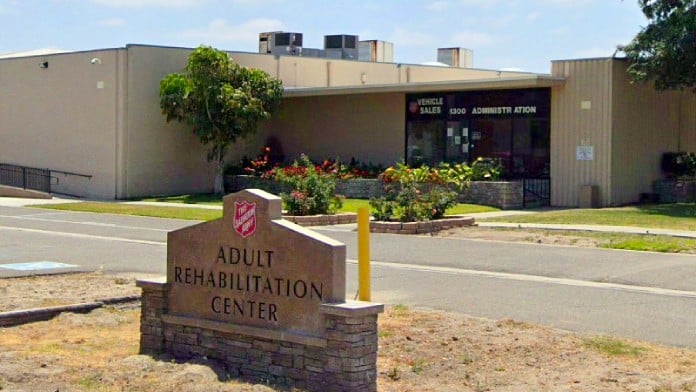
The Salvation Army Anaheim Adult Rehabilitation Center is a residential substance abuse treatment program in Anaheim, California serving men seeking recovery from alcohol and drug addiction. This free program is rooted in Christian faith based principles and emphasizes personal responsibility, structured daily routines, and long term sobriety.
Residential Work-Therapy Program at The Salvation Army Anaheim ARC
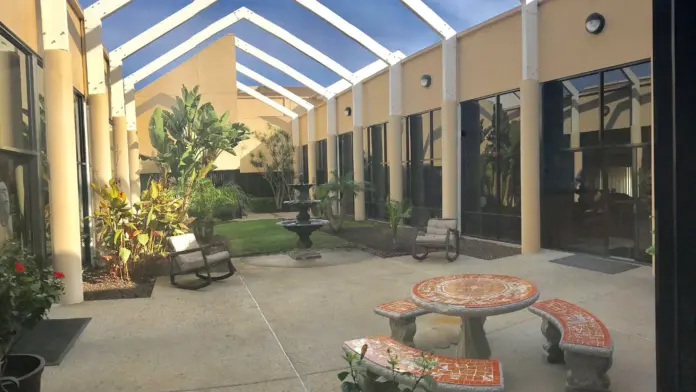
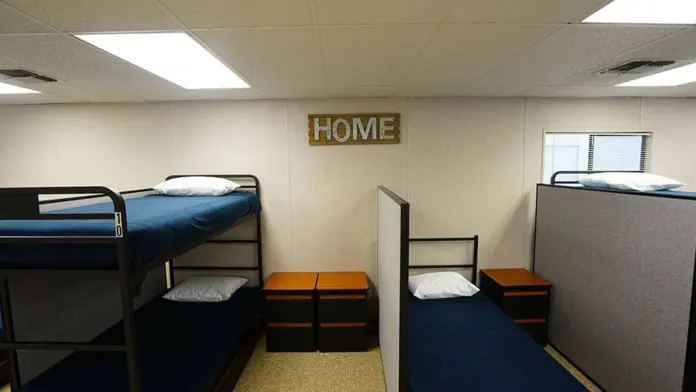
Men enter a residential rehabilitation program that combines housing, meals, and comprehensive support services at no cost. The program is built around work therapy where participants gain job training and practical skills in a structured environment while contributing to the center’s operations and donation center activities.
Clients engage in counseling, attend 12 step meetings, and receive spiritual direction and pastoral care throughout their stay. The program also includes life skills classes, relapse prevention education, and aftercare planning to support a successful transition back into the community and sustained recovery.
Key Features of The Salvation Army Anaheim ARC
- Location: Anaheim, California, on South Lewis Street in Orange County.
- Level of care: Residential work-therapy program with a defined duration and structured daily schedule
- Who they treat: Adult men recovering from alcohol and drug addiction
- Treatment approach: Christian faith based model incorporating 12 step support, spiritual counseling, work therapy, and life skills development
- Payment: Free program sustained by community donations and participant work therapy
- Aftercare: Discharge planning and ongoing support to promote long term sobriety and community reintegration
Latest Reviews



Rehab Score
 Our Methodology


Gallery


Accepted Insurance

Other Forms of Payment
Private insurance refers to any kind of healthcare coverage that isn't from the state or federal government. This includes individual and family plans offered by an employer or purchased from the Insurance Marketplace. Every plan will have different requirements and out of pocket costs so be sure to get the full details before you start treatment.
Self-pay involves paying for treatment out of your own pocket. You can use savings or credit, get a personal loan, or receive help from family and friends to fund your treatment. If you don't have insurance or your insurance plan doesn't cover a specific program, self-pay can help ensure you still get the care you need.
Addiction Treatments
Levels of Care
Clients receiving treatment at an outpatient rehab typically do not require hospitalization or intensive supervision and support. Outpatient addiction counseling and recovery education are often offered during the morning, evening, night, and weekend, allowing clients to tailor treatment to their own schedule. Partial hospitalization (PHP) and intensive outpatient (IOP) programs are the most time-intensive and are designed for clients who are at an increased relapse risk and/or who need more robust therapeutic support.
When addicted, quitting your drug of choice suddenly can be dangerous. That's why experts agree a medically assisted detox is the safest way to remove addictive substances from the body. Usually done in an inpatient setting, your vitals signs and overall well being are consistently monitored and rechecked in order to keep you safe and ensure the detox is successful.
Programs
Adult rehab programs include therapies tailored to each client's specific needs, goals, and recovery progress. They are tailored to the specific challenges adult clients may face, including family and work pressures and commitments. From inpatient and residential treatment to various levels of outpatient services, there are many options available. Some facilities also help adults work through co-occurring conditions, like anxiety, that can accompany addiction.
Clinical Services
During group therapy, men and women learn to express their emotions openly in a non judgmental setting. This helps you process your feelings and reduces feelings of social isolation that are often associated with addiction.
Accreditations

The Commission on Accreditation of Rehabilitation Facilities (CARF) is a non-profit organization that specifically accredits rehab organizations. Founded in 1966, CARF's, mission is to help service providers like rehab facilities maintain high standards of care.
CARF Accreditation: Yes
Rehab.com regularly reviews this listing for accuracy but changes may occur between updates. For the most up-to-date information, please contact The Salvation Army Anaheim Adult Rehabilitation Center.
Contact Information


1300 S Lewis St
Anaheim, CA 92805
Sponsored Helpline


