All In Solutions Wellness Center
1
Top 10 Rehab Centers In West Palm Beach



















































































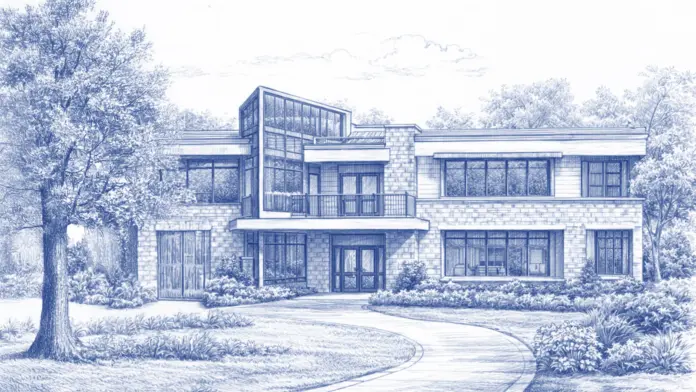
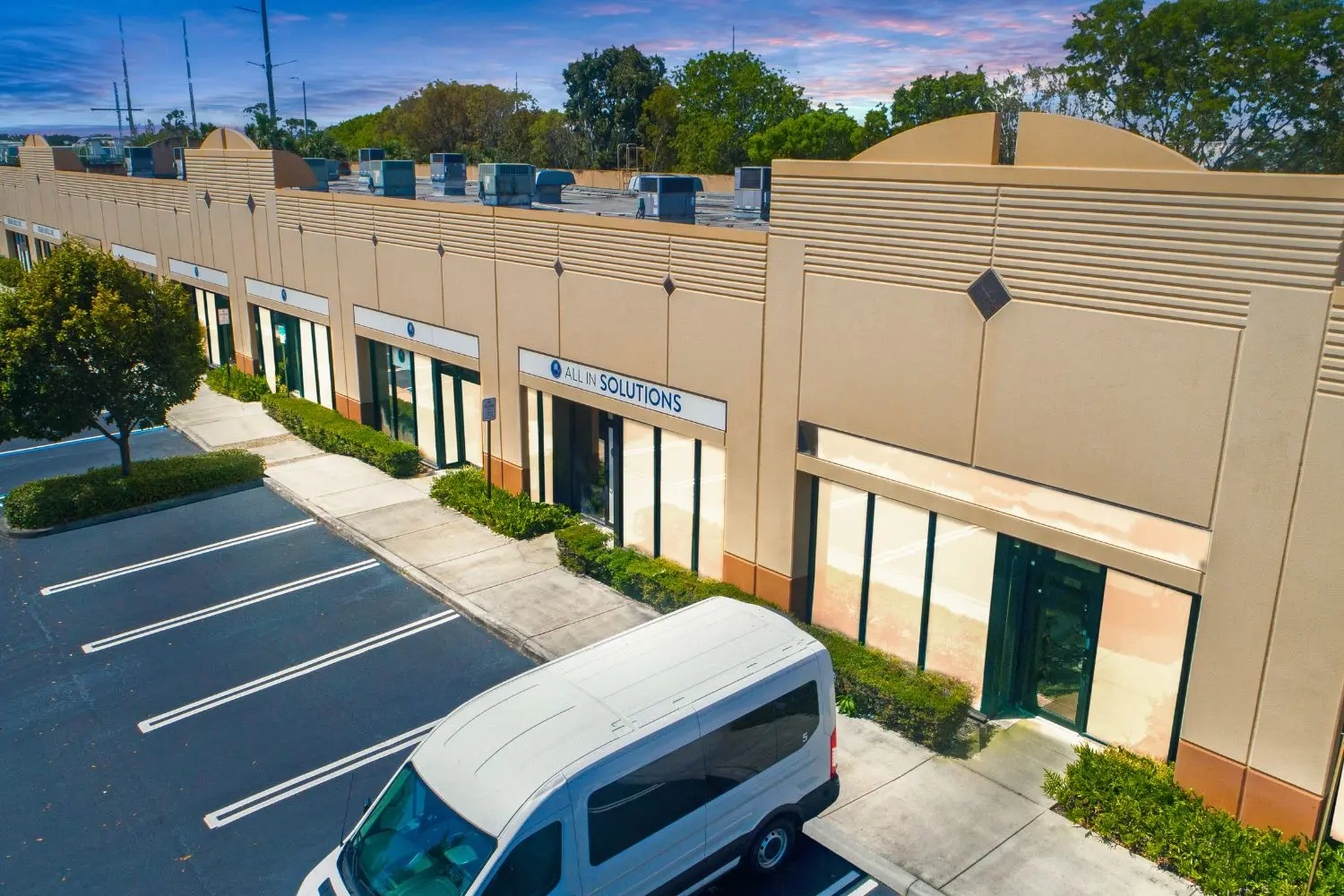
The Source Treatment Center in Fort Lauderdale, Florida, is a drug and alcohol rehab offering a full continuum of care for adults seeking recovery from substance use and co-occurring mental health disorders. Programs include transitional sober living and the center takes a trauma-informed, dual diagnosis approach that integrates proven therapies with holistic wellness practices.
Treatment often begins with stabilization and detox. Clients receive medical support and medication-assisted treatment when appropriate. Medications can help reduce cravings and symptoms so guests can focus on healing without uncomfortable distractions.
After detox individuals may transition into residential care or step down to outpatient services based on their unique recovery needs. Therapies include eye movement desensitization and reprocessing for trauma. Sessions may address the root causes of substance use and allow clients to work through them for sustained sobriety.
Holistic offerings such as yoga, meditation and art therapy complement clinical care to support whole-person healing. They also offer specialized treatment for veterans, first responders, and LGBTQ+ individuals.
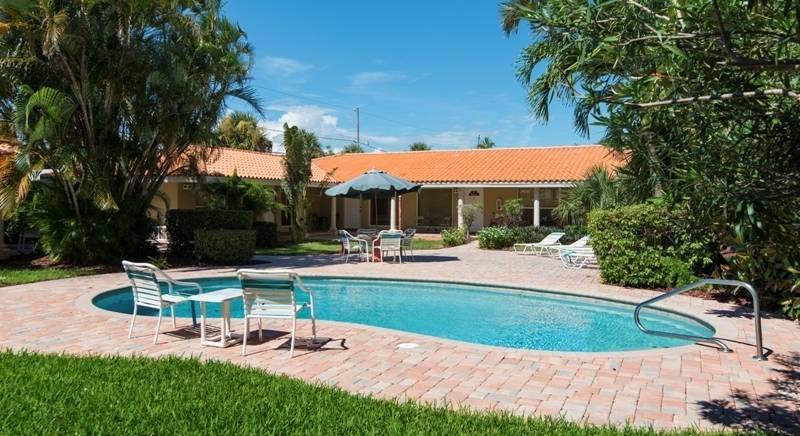
Amenities include a fitness center, yoga classes, art therapy, outdoor spaces and chef-prepared meals.

 Our Methodology


Self-pay involves paying for treatment out of your own pocket. You can use savings or credit, get a personal loan, or receive help from family and friends to fund your treatment. If you don't have insurance or your insurance plan doesn't cover a specific program, self-pay can help ensure you still get the care you need.
Financing your treatment can make treatment more accessible. You'll work with your care provider to set up payment plans, including interest rates and repayment timelines. Financing options vary widely and not all programs offer them, so be sure to get the full details before enrolling in treatment. If you have insurance or other benefits, financing may help you cover your remaining out of pocket expenses.
The first step of the recovery process involves the removal of all drugs and alcohol from your system while under 24/7 medical supervision. Known as a medically assisted detox, you are closely monitored by medical staff who can provide medications, if necessary, to help alleviate any potential withdrawal symptoms. Medical detox is usually followed by a period of inpatient addiction treatment.
Clients typically choose inpatient rehab when they are in early recovery or are experiencing a crisis that puts them at an increased risk of relapse. They reside at the treatment center for the length of their program, which may range from two weeks to more than 18 months, depending on the program design. Intensive psychotherapy is often the primary treatment modality, but clients in inpatient care may also receive holistic treatment and recovery-focused life skills training.
Often referred to as "day treatment," a partial hospitalization program (PHP) offers an intensive treatment option that allows individuals to return home at night. PHP treatment typically requires a minimum of 20 hours a week for an average of 90 days. Participants attend daily therapeutic sessions, receive medication management, and have access to skilled medical professionals. While costs can vary, most insurance will fully or partially cover a partial hospitalization program.
Intensive outpatient programs (IOP) involve frequent and robust therapeutic sessions for clients requiring high-level care. Clients may engage in a combination of medication assisted treatment (MAT), addiction counseling, recovery skills training, and holistic therapies for a minimum of nine and a maximum of 20 hours per week. Intensive outpatient rehab is designed primarily for persons in early recovery, those exiting detox or inpatient care, and those at an elevated relapse risk.
Outpatient rehabs encompass multiple levels of care to facilitate clients' progress through their recovery journey. Clients who are stepping down from inpatient treatment may require intensive outpatient (IOP) treatment, which involves more frequent and substantive therapeutic interventions than does standard outpatient care. Outpatient centers typically provide extensive addiction counseling, including individual, group, and family therapy. Medication assisted treatment programs (MAT) and recovery-focused life skills training are also common in outpatient care.
A sober living home in Florida often serves as a transitional residence for individuals coming out of inpatient rehab. This helps those in recovery avoid isolation that can sometimes happen after they return home from treatment. It offers a supportive environment where they can practice skills learned in rehab. Offering a combination of structure and freedom, men's or women's sober living is a good stepping stone to independent life in recovery.
Telehealth offers many benefits for Florida residents. It lets you see your healthcare provider from anywhere. This saves time because you don't have to travel to a doctor's office or take time off work to get there. It also provides more options, because you can choose health care specialists who are located far from you.
When a person has alcohol use disorder (AUD), also referred to as alcoholism or alcohol addiction, they experience withdrawal symptoms when they stop drinking. This physical dependence results from overuse of alcohol, which may be used as a coping mechanism or escape. Individuals who have AUD can overcome the alcohol addiction through alcohol rehab in Florida. This treatment process involves essential therapy and supports to help the individual achieve and maintain recovery.
 Opioid Addiction
Drug rehab in Florida provides quality treatment to help individuals overcome dependency related to a wide range of addictive substances. Programs address both the physical and mental aspects of addiction in order to help you make a full recovery.
In Florida, substance abuse treatment focuses on treating mental health and substance use disorders concurrently to improve recovery outcomes and overall health. Levels of care include medical detox, outpatient, residential treatment, and intensive outpatient programs. Clinicians utilize evidence-based therapies such as dialectical behavioral therapy (DBT) or medication-assisted treatment, group therapy, and skills training activities. This comprehensive approach to treatment helps to ensure sustained recovery.
When you have a mental health disorder and an addiction, it's known as a co-occurring disorder. Since treating both conditions at the same time is critical, you'll want to seek out a dual diagnosis treatment center. These specialized rehabs offer the care needed to overcome both disorders, which drastically increases your chances of success in long-term recovery. Types of therapies provided tend to include individual and group counseling, relapse prevention education, coping skills training, and cognitive behavioral therapy (CBT).
In Florida, dual-diagnosis addiction treatment treats mental health and substance use disorders concurrently to enhance successful recovery outcomes and improve overall health. Specialized rehab programs include medical detox, outpatient, residential treatment, and intensive outpatient programs. Using evidence-based therapies, like dialectical behavioral therapy or medication-assisted treatment, clinicians successfully treat dual-diagnosis addiction and mental health conditions. Other activities include group therapy and skills training, to equip you with the skills required to achieve and sustain your recovery.
Adult rehab programs include therapies tailored to each client's specific needs, goals, and recovery progress. They are tailored to the specific challenges adult clients may face, including family and work pressures and commitments. From inpatient and residential treatment to various levels of outpatient services, there are many options available. Some facilities also help adults work through co-occurring conditions, like anxiety, that can accompany addiction.
Recovery is most successful when clients feel accepted and validated by their peers and treatment providers. Facilities that offer LGBTQ-inclusive programming are committed to creating a safe space where everyone can grow and recover without fear of judgment or discrimination. They will have dedicated policies in place to create a safe and supportive environment that fosters free expression.
Serving in the military is both mentally and physically challenging, and can result in trauma that persists even after combat ends. Military programs are tailored to the specific and often complex needs of active duty personnel, veterans, and military families. Clients often access these programs through the U.S. Department of Veterans Affairs (VA).
Therapists who apply cognitive behavioral therapy in Florida believe patient thoughts and behaviors are closely linked. They use this treatment method to help clients change their thought patterns so they can also change behaviors and break free from substance abuse.
Types of creative arts therapy in Florida include playing music, writing poetry, journaling, dancing, painting, and sculpting. These expressive activities can help you process emotions and work through challenges with the guidance of a creative arts therapist.
Dialectical behavior therapy in Florida consists of individual therapy and group instruction. This structured program is a form of psychotherapy that incorporates the development of skills for managing emotions and relationships.
 Eye Movement Desensitization And Reprocessing
 Art Activities
  Gym
Gym  Metropolitan Area
  Yoga Studio
State Licenses are permits issued by government agencies that allow rehab organizations to conduct business legally within a certain geographical area. Typically, the kind of program a rehab facility offers, along with its physical location, determines which licenses are required to operate legally.
State License: Florida

The Joint Commission, formerly known as JCAHO, is a nonprofit organization that accredits rehab organizations and programs. Founded in 1951, the Joint Commision's mission is to improve the quality of patient care and demonstrating the quality of patient care.
Joint Commission Accreditation: Yes
Rehab.com regularly reviews this listing for accuracy but changes may occur between updates. For the most up-to-date information, please contact The Source Treatment Center.

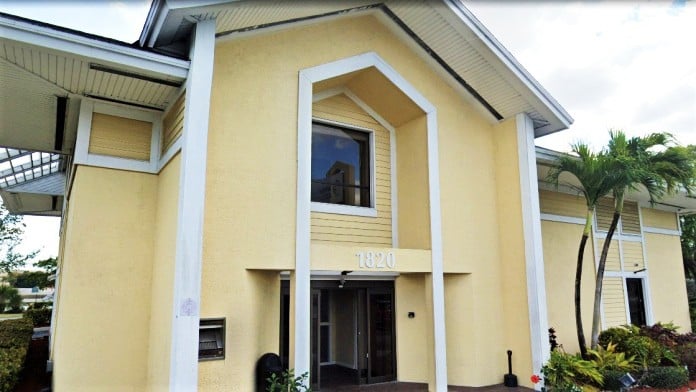
1730 E Commercial Blvd, Fort Lauderdale, FL 33334
Sponsored Helpline

The only place in the whole world I’ve ever been that I feel like I belong

The Source is an outstanding treatment center that truly prioritizes the individual. From the beginning I felt welcomed into a family-oriented environment where care and compassion were at the center of everything. Bill, the owner, was present on a daily basis and consistently made the effort to connect with clients. His dedication set the tone for the entire program. What makes The Source stand out is the individualized treatment approach. My recovery plan was specifically tailored to my needs, which made a tremendous difference in my progress. During my time in PHP and IOP the staff provided constant support and guidance. Bill also went above and beyond to help me transition into sober living, which was a critical step in building my foundation for long-term recovery. Today I am several months clean and living full-time in Fort Lauderdale. I am deeply grateful for the role The Source played in my journey. I highly recommend this program to anyone seeking a genuine, professional, and compassionate path to recovery.

I just graduated my program at the source. What an amazing opportunity it has given me at a solid foundation for my sobriety. When I came in my daughters weren’t speaking to me and my relationship with them was broken. But through the intense work that I have done there through the trauma therapy and talk therapy our relationship has been restored. I am sober happy and free. Bill, Chris, Michelle, Karen and Serena just to name a few have guided me and helped me immensely. I highly recommend the Source to anyone young, older or in between who is struggling with their life and sobriety. Thank you with all my heart to all 🩷

I wanted to share this review for all. I had to find a treatment center for my son. After lots of research, reading reviews, talking with centers I found that the source seemed like the place. Made the call not knowing much of how this works and a zillion questions. I was so lucky that the person who was there to guide me was Jonah. He was so kind and talked me through the process and what would happen. We talked daily. Unfortunately my son decided to go elsewhere. But that was short lived and finally came around to giving the source a try. Even when my son was at another center Jonah still took all of my calls and mentally kept me sane and looking toward the positive. I can never thank him enough. We did a tour and met Bill the owner and they made it very comfortable. So off He went. Now my son is one to push boundaries so not a walk in the park. But is the most kindest person. Whether the source believes it or not they did so much good for him and I could tell very quickly that he was becoming hisself again. I appreciate every moment they gave to him and to me through the process. What I found out is that you have to find the right place for yourself or your person. Not everything is one size fits all. But give them I good shot in your road to recovery it won’t disappoint. The facility is very clean well taken care of and they all do care. Forever grateful mom. I will continue to support them in any way possible. The road to recovery is not easy but it is worth it!
 Back
Back
Sharing your insights and experiences can help others learn more about this rehab center.