Ashwood Recovery – Outpatient
1
Top 10 Rehab Centers In Boise



















































































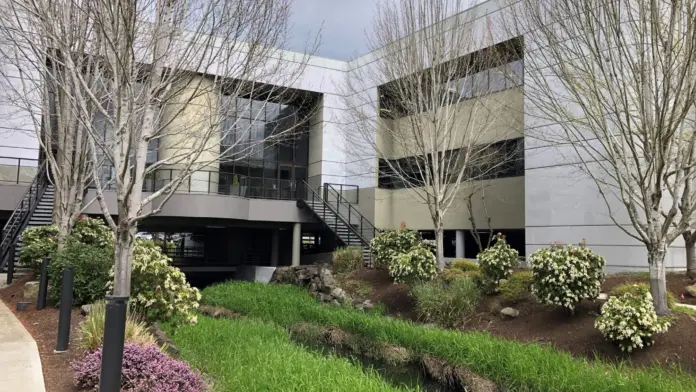
THIRA Health, located in Bellevue, Washington is a private alcohol and drug rehab that offers treatment for a variety of substance abuse addictions including alcoholism, co-occurring mental health disorders, and opiate addiction. They offer supervised medical treatment to safely manage withdrawal symptoms during detoxification, residential care providing long term support for addiction recovery, as well as flexible outpatient or online addiction therapy allowing patients to live at home while receiving regular treatment. Additional levels of care offered include intensive outpatient, relapse prevention, and intervention services.
Specialty rehab programs at THIRA Health include tailored care focusing on women’s specific needs and experiences, age-appropriate treatment for teens addressing adolescent-specific issues, and inclusive treatment respecting diverse sexual orientations and gender identities.
Patients at THIRA Health will find the residential setting creates an immersive environment promoting full engagement in recovery away from daily triggers. For recreation, patients can tend the gardens for relaxation and a connection with nature, use the yoga studio to work on active mindfulness and improve flexibility, or tend the gardens for relaxation and a connection with nature.
THIRA Health has received accreditations from The Joint Commission.


 Our Methodology


Private insurance refers to any kind of healthcare coverage that isn't from the state or federal government. This includes individual and family plans offered by an employer or purchased from the Insurance Marketplace. Every plan will have different requirements and out of pocket costs so be sure to get the full details before you start treatment.
Self-pay involves paying for treatment out of your own pocket. You can use savings or credit, get a personal loan, or receive help from family and friends to fund your treatment. If you don't have insurance or your insurance plan doesn't cover a specific program, self-pay can help ensure you still get the care you need.
24-hour clinical care in Washington includes a team of medical professionals who are on-site 24/7 to provide the care you need. Medical staff can provide medications and other physical treatment to help you safely navigate withdrawal. Counselors offer mental and emotional support. Other specialists who offer additional resources may include nutritionists, family therapists, and case managers.
Rehab aftercare programs support clients as they focus on maintaining their sobriety after intensive (often inpatient) treatment. These programs adhere to a model of life-long recovery, addressing addiction disease as a chronic, relapsing condition. Rehab aftercare services vary widely based on the specific and evolving needs of the client, but often include peer coaching, relapse prevention support, and 12 step program induction. Clients, case managers, and care teams typically collaborate on long-term care plans.
Inpatient rehab enables clients who are exiting detox or who are at an increased risk of relapse to focus on their recovery in a highly structured and supportive environment. Inpatient rehabs provide intensive clinical supervision and high-level treatment. Clients remain at the facility through the length of their program and typically receive multiple addiction counseling and education sessions per day. Holistic therapies, such as yoga, message, and meditation, may be used to relieve stress and ease discomfort.
Intensive outpatient programs (IOP) are frequently used to facilitate clients' transition from inpatient to outpatient care. Clients who are more stable may also choose to enter IOP rather than a residential rehab following detox. Intensive outpatient treatment typically consists of nine to 20 therapeutic hours per week, with services ranging from psychotherapy to recovery education to holistic care. Many programs offer medication assisted treatment (MAT) for opioid and/or alcohol addiction.
It can be difficult for family and friends to carry out a successful drug intervention in Washington on their own. Intervention services can help. These services typically include education about addiction and enabling behaviors, expert facilitation for interventions, and recommendations for appropriate treatment. Often, the involvement of intervention services can create a smooth transition into rehab.
Clients enrolled in an outpatient rehab program typically engage in multiple therapeutic sessions each week, but reside in their own homes and communities while receiving care. Outpatient treatment typically involves extensive addiction counseling, including family and group therapy. Most programs also emphasize recovery-focused life skills training and medical, mental health, and social support services to promote clients' sustained sobriety. Evening, night, weekend, and virtual services are widely available to accommodate the schedules of working professionals, students, and caregivers.
Telehealth in Washington gives you the option to receive treatment remotely. Instead of visiting a counselor or doctor in person, you can schedule a video call or phone call. Telehealth technology also allows your healthcare provider to monitor your physical condition remotely.
Alcoholism is a chronic condition that often includes periods of relapse. A person with his alcohol addiction has become physically and/or psychologically dependent on alcohol. Often, alcohol use disorders occur alongside other mental health disorders. It is important to receive dual diagnosis treatment for both. Alcohol rehab in Washington can address co-occurring disorders through a variety of behavioral therapies and evidence-based approaches.
Effective drug rehab in Washington integrates care for the whole person, offering comprehensive solutions to addiction. Treatment methods address mental, physical, and relational aspects of substance abuse.
In Washington, those facing co-occurring mental health and substance abuse challenges can benefit from dual-diagnosis treatment centers.These specialized facilities integrate evidence-based therapies such as cognitive-behavioral therapy (CBT), dialectical behavior therapy (DBT), eye movement desensitization and reprocessing (EMDR), and experiential therapy to address both disorders at the same time.
 Opioid Addiction
Inpatient and outpatient drug and alcohol rehabs are typically the best option if you're looking for substance abuse treatment in Washington. These programs employ evidence-based therapies such as cognitive-behavioral therapy (CBT), dialectical behavior therapy (DBT), and holistic approaches to help you overcome addiction, enhance your coping skills, and promote your mental health. Together, you'll learn the vital skills to support long-term sobriety and overall well-being.
Adult rehab programs include therapies tailored to each client's specific needs, goals, and recovery progress. They are tailored to the specific challenges adult clients may face, including family and work pressures and commitments. From inpatient and residential treatment to various levels of outpatient services, there are many options available. Some facilities also help adults work through co-occurring conditions, like anxiety, that can accompany addiction.
Recovery is most successful when clients feel accepted and validated by their peers and treatment providers. Facilities that offer LGBTQ-inclusive programming are committed to creating a safe space where everyone can grow and recover without fear of judgment or discrimination. They will have dedicated policies in place to create a safe and supportive environment that fosters free expression.
Dialectical behavior therapy (DBT) is a highly structured form of therapy that teaches skills to help participants change negative thoughts and behaviors. Applying a philosophy of acceptance and change, you'll learn and practice these skills to break unhealthy patterns and establish healthy ones.
Participating in creative arts therapy in Washington does not require any skill in the arts. It's not about what you're creating. It is about the creative process. Options include writing, music, art, and dance therapies.
 Equine Therapy
Experiential therapy in Washington is based on Gestalt therapy. This method emphasizes experiences over language and is founded on the philosophy that clients can't just think their way to recovery. They must feel and do. Therefore, experiential therapy supplements talk therapy with experiences, such as equine therapy, art, music, or adventure courses.
One goal of family therapy is to provide a platform where members have a safe place to talk about the challenges that addiction has created in their lives. Using guided sessions, therapists help individual family members develop healthy communication skills and address unresolved issues between themselves to support their loved one's sobriety.
Group therapy is a safe space that offers you a confidential environment to openly discuss your challenges with addiction and the progress you're making without fear of judgment. Group therapy participants share responsibility for recovery, which fosters a collective commitment to sobriety.
Individual therapy sessions for drug and alcohol addiction treatment emphasize the importance of personalized care. Your therapist works with you to understand your unique life experiences and develop effective coping mechanisms to address your underlying issues. This comprehensive approach to recovery is the foundation of drug rehab.
Life skills training in Washington involves relearning how to manage daily living. It boosts your abilities and confidence so you can overcome challenges both big and small, without returning to substance use.
When your body is properly nourished, healing is much faster. That's why nutrition therapy is an important part of drug rehab in Washington. It helps you learn how to take care of your body so you can heal both mentally and physically from addiction.
 Gardens
  Residential Setting
  Yoga Studio
Our Founder, Psychiatrist & Psychotherapist
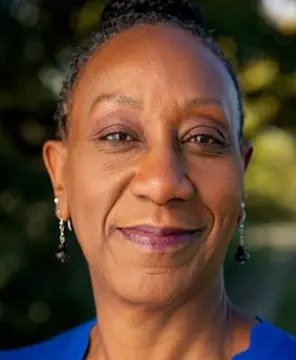
Executive Director

Medical Director
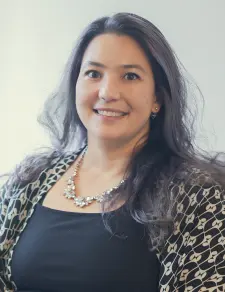
Clinical Director

Director Of Business Development

The Joint Commission, formerly known as JCAHO, is a nonprofit organization that accredits rehab organizations and programs. Founded in 1951, the Joint Commision's mission is to improve the quality of patient care and demonstrating the quality of patient care.
Joint Commission Accreditation: Yes
Rehab.com regularly reviews this listing for accuracy but changes may occur between updates. For the most up-to-date information, please contact THIRA Health.

11400 SE 6th St
Ste 200
Bellevue, WA 98004
Sponsored Helpline

I have had the opportunity to work alongside THIRA Health as a referring and collaborating provider for many years, and I have consistently been impressed by the quality of their clinical work and the integrity with which they operate. Their team is thoughtful, highly skilled, and genuinely invested in providing excellent care. I especially appreciate their commitment to evidence-based treatment while still approaching each client as an individual. Communication and collaboration with outside providers have always been professional and clinically thoughtful, which makes a meaningful difference when coordinating care for clients with complex needs. What has stood out to me most over the years is the trust I have in their team. They take their responsibility to clients and families seriously, are transparent in their recommendations, and demonstrate a level of clinical integrity that I deeply value as another provider. Finding programs that combine strong clinical expertise, compassion, professionalism, and integrity isn't always easy. THIRA has consistently demonstrated all of these qualities, and I feel confident referring clients and families to their care. Big shoutout to Brooke! She has been my liaison from the start.

I wanted to like this place and I gave it a full month before deciding I needed to withdraw. The current in person IOP only has one facilitator and that person will also be the therapist. They also didn't explain things well or at all a lot of the times and the group wasn't run for the different levels of DBT experience people will have. After talking to a person who was graduating the course I realized this was going to continue to be an issue. I was told by them that I had to push through and make it work because they don't. I tried the online IOP and I wasn't a good fit for the groups overall personality. I don't like being forced to respond, share or talk when I don't have anything to say. Especially when the group was all very sensitive, emotion forward and I'm the opposite. I was taught to not say anything if I don't have anything nice or helpful to say. Their reminder notification system is trash. It went to never notifying me, to doing it even when I missed group and after I had withdrawn. It seems like none of the staff talk to each other. Don't get me wrong they are all very nice but nice isn't going to help someone one in crisis. Overall this was not what the website made it out to be and luckily my crisis subsided but if you need consistency, or are a reserved person I'd avoid it.

Thira has been a wonderful resource for our family as we navigate our family member’s mental health needs. Brooke Harper, in particular, has been a phenomenal resource and advocate, helping us identify appropriate supports, placement options, and safety considerations. We are very grateful for her guidance and look forward to seeing the outcomes of Thira’s PHP program and the continued growth and support it will provide our family.

There were positive and negative experiences at this institution. I absolutely loved my personal therapist and there were a lot of good staff, yet the policies they followed weren't always beneficial. A person seeking treatment in our group threatened to kill us and tried to make a bomb out of batteries in a clock. Staff didn't try to separate us, and even made us stay with the patient while most of the group was crying in fear. Another issue was even if you weren't there for an E.D. if you didn't finish a meal you were forced to drink "boost", this caused a lot of stomach issues for me. One person who was there for an E.D. threw up multiple times, yet nothing changed. DBT skills are very useful, and I recommend learning them elsewhere.
 Back
Back
Sharing your insights and experiences can help others learn more about this rehab center.