






























































































This is a wonderful place that has truly saved my life, they have great program that will work. People are really friendly, really care about your well being.
About Ultimate Treatment Center
In particular, many have praised its open-door policy, where no one is turned away based on background or financial circumstance, and there are never any barriers to care. This means that if you choose to receive medication assisted treatment or outpatient counseling at this center, you’ll be welcomed and supported through every step of your recovery journey.
The center’s medication assisted treatment (MAT) program is a cornerstone of holistic care at the Ultimate Treatment Center. At this center, you can expect your medication assisted treatment to involve FDA-approved medications alongside behavioral therapies and counseling. You’ll likely find this approach hugely beneficial in overcoming substance abuse.
The center also provides another form of medication assisted treatment known as opioid agonist treatment that guides you through using medications like methadone and buprenorphine to recover. By using this medication, you increase your chances of avoiding relapse.
The Ultimate Treatment Center personalizes its outpatient counseling services. If you opt for these services, you should expect an effective and compassionate treatment that empowers you to face your addiction battles head-on. With this treatment, you may find it easier to lead a drug-free life. You’ll have an onsite provider and tailored plans that help you ensure long-term sobriety since you’ll likely always have access to a professional who can help.
Latest Reviews
Saved my life I’m not a patient there anymore but I got off the mat
Best place ever. Has helped me so much inlife
The UTC is such an amazing facility that I have ever been too. The staff there is amazing, not to mention how they go out of their way to help those who in need. I can honestly say that the UTC has actually saved my life and I am extremely grateful for everyone that has taking the time to help me build the skills needed to help me have whatever a normal life is. I would recommend anyone looking to get treatment in addiction this would be the place I would recommend to anyone.....

Rehab Score
 Our Methodology
Scoring is assigned by a proprietary system which helps surface key metrics that determine quality. The 10-point scale factors in categories such as operations, customer satisfaction, and trust metrics. Read Full Methodology

8.5 / 10
Gallery
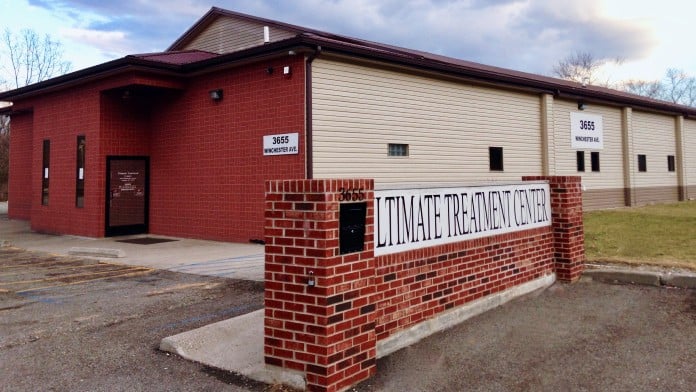
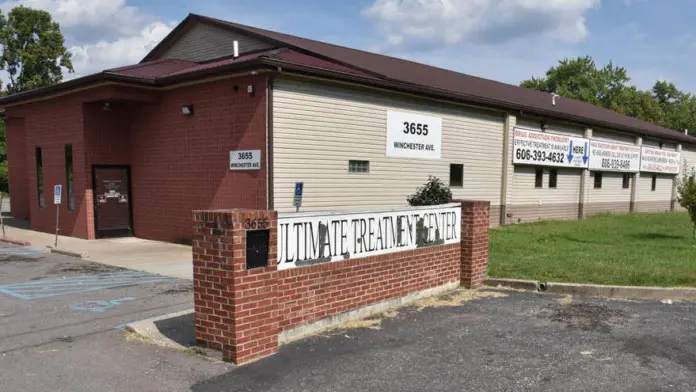
Accepted Insurance
Other Forms of Payment
Private insurance refers to any kind of healthcare coverage that isn't from the state or federal government. This includes individual and family plans offered by an employer or purchased from the Insurance Marketplace. Every plan will have different requirements and out of pocket costs so be sure to get the full details before you start treatment.
Self-pay involves paying for treatment out of your own pocket. You can use savings or credit, get a personal loan, or receive help from family and friends to fund your treatment. If you don't have insurance or your insurance plan doesn't cover a specific program, self-pay can help ensure you still get the care you need.
Financial aid can take many forms. Centers may have grants or scholarships available to clients who meet eligibility requirements. Programs that receive SAMHSA grants may have financial aid available for those who need treatment as well. Grants and scholarships can help you pai for treatment without having to repay.
Medicare is a federal program that provides health insurance for those 65 and older. It also serves people under 65 with chronic and disabling health challenges. To use Medicare for addiction treatment you need to find a program that accepts Medicare and is in network with your plan. Out of pocket costs and preauthorization requirements vary, so always check with your provider.
Military members, veterans, and eligible dependents have access to specific insurance programs that help them get the care they need. TRICARE and VA insurance can help you access low cost or no cost addiction and mental health treatment. Programs that accept military insurance often have targeted treatment focused on the unique challenges military members, veterans, and their families face.
Medicaid is a state based program that helps lower-income individuals and families pay for healthcare. Medicaid covers addiction treatment so those enrolled can use their coverage to pay for rehab. When a program accepts Medicaid the client often pays very little or nothing out of their own pocket.
Addiction Treatments
Levels of Care
Outpatient Programs (OP) are for those seeking mental rehab or drug rehab, but who also stay at home every night. The main difference between outpatient treatment (OP) and intensive outpatient treatment (IOP) lies in the amount of hours the patient spends at the facility. Most of the time an outpatient program is designed for someone who has completed an inpatient stay and is looking to continue their growth in recovery. Outpatient is not meant to be the starting point, it is commonly referred to as aftercare.
Intensive Outpatient Programs (IOP) are for those who want or need a very structured treatment program but who also wish to live at home and continue with certain responsibilities (such as work or school). IOP substance abuse treatment programs vary in duration and intensity, and certain outpatient rehab centers will offer individualized treatment programs.
We offer our detox assistance services for individuals who do not want to be on any type of maintenance program, but need short-term medication to get through a crisis period. After they've successfully completed their detox program, we'll start them on Vivitrol. Remaining abstinent once you've completed a drug rehab program can be difficult, but a low level of Vivitrol can help increase your chances. Vivitrol is not addictive and will not alter your mood, unlike other medications. Ultimate Treatment Center, in Ashland, Kentucky, offers these services to help you stay abstinent and give you the time you need to get your life back on track again.
Rehab aftercare programs ensure clients' access to continuing care after the completion of intensive inpatient treatment. Outpatient care is often considered a component of drug rehab aftercare, but most clients continue to receive support services after being discharged from formal treatment. Service portfolios are customized to clients' unique and evolving needs and are often designed in collaboration with clients' case managers and care teams. Peer coaching, career counseling, relapse prevention, and 12 step program induction are standard.
Treatments
The goal of treatment for alcoholism is abstinence. Those with poor social support, poor motivation, or psychiatric disorders tend to relapse within a few years of treatment. For these people, success is measured by longer periods of abstinence, reduced use of alcohol, better health, and improved social functioning. Recovery and Maintenance are usually based on 12 step programs and AA meetings.
Drug rehab in Kentucky often starts with detox, then includes inpatient or outpatient treatment, and continues with aftercare support. Specific methods used during each of these phases varies, but often include individual and group counseling, medication, and recreational therapies.
Ultimate Treatment Center works with patients in Ashland, Kentucky, who have a long, active history of opioid addiction and require medication-assisted treatment. We work with Methadone, Suboxone, and Vivitrol, which are potent options for medication that can assist in your treatment. Suboxone is typically used for people who have used for shorter durations and are not well-suited for Methadone. These medications can help stop the cravings, stabilize your mood, and make you functional again. We provide these options to anyone that's 18 years of age or older and has been addicted to opioids for more than one full year, is a current drug user, has a previous history of drug overdoses, or those who have struggled with abstinence-based treatment programs in the past.
Substance rehabs focus on helping individuals recover from substance abuse, including alcohol and drug addiction (both illegal and prescription drugs). They often include the opportunity to engage in both individual as well as group therapy.
Programs
Adult rehab programs include therapies tailored to each client's specific needs, goals, and recovery progress. They are tailored to the specific challenges adult clients may face, including family and work pressures and commitments. From inpatient and residential treatment to various levels of outpatient services, there are many options available. Some facilities also help adults work through co-occurring conditions, like anxiety, that can accompany addiction.
Young adulthood can be an exciting, yet difficult, time of transition. Individuals in their late teens to mid-20s face unique stressors related to school, jobs, families, and social circles, which can lead to a rise in substance use. Rehab centers with dedicated young adult programs will include activities and amenities that cater to this age group, with an emphasis on specialized counseling, peer socialization, and ongoing aftercare.
Clinical Services
Cognitive behavioral therapy in Kentucky involves learning to recognize unhealthy thinking patterns and developing problem solving skills to cope with life's challenges. It will help you have greater confidence in your abilities so you can change your patterns of behavior and break free from substance abuse.
Group therapy is any therapeutic work that happens in a group (not one-on-one). There are a number of different group therapy modalities, including support groups, experiential therapy, psycho-education, and more. Group therapy involves treatment as well as processing interaction between group members.
In individual therapy, a patient meets one-on-one with a trained psychologist or counselor. Therapy is a pivotal part of effective substance abuse treatment, as it often covers root causes of addiction, including challenges faced by the patient in their social, family, and work/school life.
Several techniques are key to motivational interviewing in Kentucky. Your therapist will use open ended questions, affirm your strengths, reflect your responses back to you, and summarize your responses. This allows you to identify any discrepancies in your current situation and your future goals, which can motivate you to make changes.
Trauma therapy provides you with a safe space to work through a trauma that you witnessed or experienced. Trauma informed therapy supports you to understand your emotional and physical responses and develop healthier coping mechanisms when exposed to triggers in the community. This improves your sense of self confidence and empowerment.
As you begin couples therapy in Kentucky, you'll outline the goals for therapy. Your therapist will then arrange to meet with you in weekly joint sessions and, in some cases, individual sessions. You'll receive homework assignments to practice each week between sessions that will help you reach your goals.
Family therapy provides families with a structured environment to address the complexities of addiction. You work with an experienced therapist to develop effective strategies for supporting your loved one's recovery while focusing on the well being of each member of the family unit.
Accreditations

The Commission on Accreditation of Rehabilitation Facilities (CARF) is a non-profit organization that specifically accredits rehab organizations. Founded in 1966, CARF's, mission is to help service providers like rehab facilities maintain high standards of care.
CARF Accreditation: Yes

The Substance Abuse and Mental Health Services Administration (SAMHSA) is a branch of the U.S. Department of Health and Human Services. Established in 1992 by congress, SAMHSA's mission is to reduce the impact of substance abuse and mental illness on American's communities.
SAMHSA Listed: Yes
Rehab.com regularly reviews this listing for accuracy but changes may occur between updates. For the most up-to-date information, please contact Ultimate Treatment Center.
Contact Information

3655 Winchester Avenue
Ashland KY, 41101
Get Help Now - 606-257-4949
Sponsored Helpline
Sponsored Helpline



