





























































































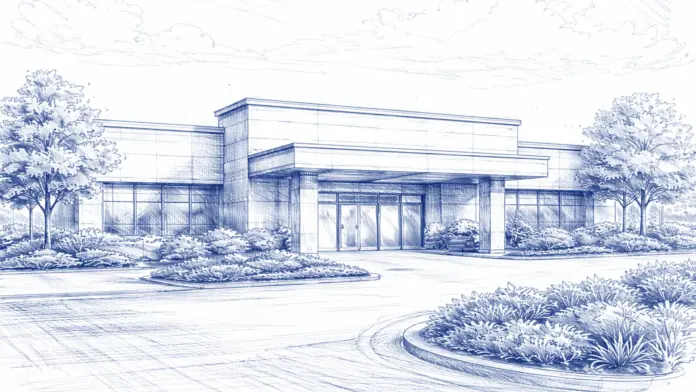
About Walden House Inc
Walden House Inc is a CARF-accredited addiction treatment center at 890 Hayes Street providing residential, outpatient, and medically assisted detox services to adults across addiction treatment in San Francisco, California. Founded in 1969 in the Haight Ashbury district, the facility has more than five decades of experience supporting people with substance use disorders and co-occurring mental health conditions. As San Francisco continues to address one of the country’s most acute overdose crises, Walden House Inc offers structured pathways into recovery for individuals from many backgrounds and circumstances.
Residential Treatment and Medically Assisted Detox in San Francisco
The Men’s Residential Program at Walden House Inc addresses substance use disorders alongside co-occurring issues through structured residential care that includes case management, relapse prevention education, and linkage to employment, housing, and community support resources. Medically assisted detox, lasting three to seven days, allows clients to withdraw safely from opioids, alcohol, and other substances under medical supervision, with FDA-approved medications including Suboxone available to reduce cravings and support comfort.
Clinical services include cognitive behavioral therapy, dialectical behavior therapy, motivational interviewing, trauma-informed care, family therapy, and life skills training. The program serves diverse populations, including people in the LGBTQ community, individuals involved in the criminal justice system, and those experiencing homelessness or living with HIV/AIDS.
Outpatient Programs and Integrated Mental Health Services
Walden House Inc’s outpatient program provides 90-day individualized treatment plans that integrate mental health services, medication management, primary medical care, and group and individual counseling. Case coordinators support clients through workforce development, family advocacy, and housing referrals. Walk-in intake is available Monday through Friday at the 1563 Mission Street location.
Paying for Treatment at Walden House Inc
Walden House Inc accepts self-pay and offers financial aid on a sliding fee scale based on income. Commercial insurance, including Aetna, Blue Cross Blue Shield, Cigna, Anthem, and United Healthcare, may be accepted. Contact the facility directly to verify coverage before starting care.
Latest Reviews



Rehab Score
 Our Methodology


Gallery
Other Forms of Payment
Self-pay involves paying for treatment out of your own pocket. You can use savings or credit, get a personal loan, or receive help from family and friends to fund your treatment. If you don't have insurance or your insurance plan doesn't cover a specific program, self-pay can help ensure you still get the care you need.
Financial aid can take many forms. Centers may have grants or scholarships available to clients who meet eligibility requirements. Programs that receive SAMHSA grants may have financial aid available for those who need treatment as well. Grants and scholarships can help you pai for treatment without having to repay.
Addiction Treatments
Levels of Care
Walden House’s outpatient program provides evidence-based treatment for substance use and mental health issues, with personalized 90-day treatment plans. Participants receive care coordination, counseling, and relapse prevention support to help maintain recovery while living at home.
Walden House offers inpatient outpatient services designed for individuals with co-occurring disorders, providing structured treatment with a focus on behavioral health and substance use recovery. The program is accessible to diverse populations, including walk-ins and referrals.
Walden House’s medically assisted detox program lasts 3-7 days and is tailored to individuals needing withdrawal management for various substances. The program emphasizes peer support, education on relapse prevention, and a humanistic, multicultural therapeutic community.
Treatments
Walden House Inc offers residential alcohol detox and substance use disorder treatment, including early recovery groups and discharge planning. The program emphasizes education on coping skills, relapse prevention, and the Twelve Steps, supporting clients through short-term detox to foster lasting recovery.
Walden House provides residential detoxification and substance use disorder treatment for drug addiction, including participation in 12-Step meetings and individual counseling. The program aims to increase self-awareness and develop relapse prevention strategies within a culturally sensitive environment.
Walden House’s dual diagnosis program fully integrates mental health and substance use disorder services for individuals with co-occurring conditions. It offers trauma-informed care, therapy, case management, and medication-assisted treatments like Suboxone to address complex recovery needs.
Walden House provides comprehensive mental health and substance use disorder treatment through integrated residential programs. The facility focuses on addressing both issues simultaneously, supporting clients with therapy, case management, and medication-assisted treatments to promote recovery.
Walden House offers specialized services for opioid addiction, including individual and group therapy, trauma-informed care, and medication-assisted treatments such as Suboxone. The program supports clients in managing cravings and achieving long-term recovery in a culturally responsive setting.
Programs
Walden House’s adult residential treatment includes detoxification and substance use disorder services, focusing on self-awareness, relapse prevention, and recovery education. The program supports adults in overcoming addiction within a culturally diverse environment.
Walden House provides integrated treatment for military personnel with co-occurring substance use and mental health disorders. The program includes therapy, trauma-informed care, and medication-assisted treatments like Suboxone, tailored to the unique needs of service members.
Walden House offers residential substance use disorder treatment for young adults, including detox and early recovery education. The program emphasizes self-awareness, coping skills, and relapse prevention, supporting young clients in their recovery journey.
Clinical Services
Cognitive Behavioral Therapy (CBT) is a therapy modality that focuses on the relationship between one's thoughts, feelings, and behaviors. It is used to establish and allow for healthy responses to thoughts and feelings (instead of unhealthy responses, like using drugs or alcohol). CBT has been proven effective for recovering addicts of all kinds, and is used to strengthen a patient's own self-awareness and ability to self-regulate. CBT allows individuals to monitor their own emotional state, become more adept at communicating with others, and manage stress without needing to engage in substance abuse.
Dialectical Behavior Therapy (DBT) is a modified form of Cognitive Behavioral Therapy (CBT), a treatment designed to help people understand and ultimately affect the relationship between their thoughts, feelings, and behaviors. DBT is often used for individuals who struggle with self-harm behaviors, such as self-mutilation (cutting) and suicidal thoughts, urges, or attempts. It has been proven clinically effective for those who struggle with out-of-control emotions and mental health illnesses like Borderline Personality Disorder.
Research clearly demonstrates that recovery is far more successful and sustainable when loved ones like family members participate in rehab and substance abuse treatment. Genetic factors may be at play when it comes to drug and alcohol addiction, as well as mental health issues. Family dynamics often play a critical role in addiction triggers, and if properly educated, family members can be a strong source of support when it comes to rehabilitation.
Group therapy is any therapeutic work that happens in a group (not one-on-one). There are a number of different group therapy modalities, including support groups, experiential therapy, psycho-education, and more. Group therapy involves treatment as well as processing interaction between group members.
In individual therapy, a patient meets one-on-one with a trained psychologist or counselor. Therapy is a pivotal part of effective substance abuse treatment, as it often covers root causes of addiction, including challenges faced by the patient in their social, family, and work/school life.
Life skills trainings involve all the skills a person must have in order to function successfully in the world. These include time management, career guidance, money management, and effective communication. Truly successful addiction recovery is based on the ability to not only live substance-free, but to thrive. Life skills teaches the practical necessities of functioning in society, which sets clients up for success in life, and therefore sobriety.
Motivational Interviewing (MI) is a clinical approach to helping people with substance abuse issues and other conditions shift behavior in positive ways. It is more goal-oriented than traditional psychotherapy, as MI counselors directly attempt to get clients to consider making behavioral change (rather than wait for them to come to conclusions themselves). Its primary purpose is to resolve ambivalence and help clients become able to make healthy choices freely.
Trauma therapy addresses traumatic incidents from a client's past that are likely affecting their present-day experience. Trauma is often one of the primary triggers and potential causes of addiction, and can stem from child sexual abuse, domestic violence, having a parent with a mental illness, losing one or both parents at a young age, teenage or adult sexual assault, or any number of other factors. The purpose of trauma therapy is to allow a patient to process trauma and move through and past it, with the help of trained and compassionate mental health professionals.
Amenities
-
 Private Setting
 -
 Private Transportation
Staff & Accreditations
Staff
Vitka Eisen, MSW, Ed.D
CEO

Tony Duong
CFO

Jegan Anandasakaran
COO & CIO

Maribel Baez, MS-HA
VP of Medical Services

Dylan Grattidge
VP of Operations

Dr. Ana Valdés
Chief Healthcare Officer

Nilab Nawabi
Chief People Officer
Accreditations

The Commission on Accreditation of Rehabilitation Facilities (CARF) is a non-profit organization that specifically accredits rehab organizations. Founded in 1966, CARF's, mission is to help service providers like rehab facilities maintain high standards of care.
CARF Accreditation: Yes
Rehab.com regularly reviews this listing for accuracy but changes may occur between updates. For the most up-to-date information, please contact Walden House Inc.
Contact Information


890 Hayes Street
San Francisco, CA 94117
Sponsored Helpline



