











All In Solutions Counseling Center
1
Top 10 Rehab Centers In Boynton Beach



















































































The detoxification program is a medically monitored program that allows for medical intervention and medication interventions to help reduce the risk of withdrawal and provide a higher level of safety for individuals while they detox.
The inpatient program is a short-term treatment program designed to stabilize individuals so they can be referred to their next phase of treatment. Children and adolescents will be in one section, with adults in another section. The 81-bed facility allows for many individuals to receive crisis stabilization. Psychiatric care, medication management, group therapy, and case management services are available. Once an individual has completed this program, they may choose to continue to an outpatient level of care that allows them ongoing treatment. Some individuals choose to move into a residential or longer-term inpatient treatment program.
UF Health Shands Psychiatric Hospital accepts most insurance plans, including Amerigroup, Magellan, HCSC, Humana, Beacon, and more. Out-of-network benefits may vary, so it’s important to verify coverage.


 Our Methodology


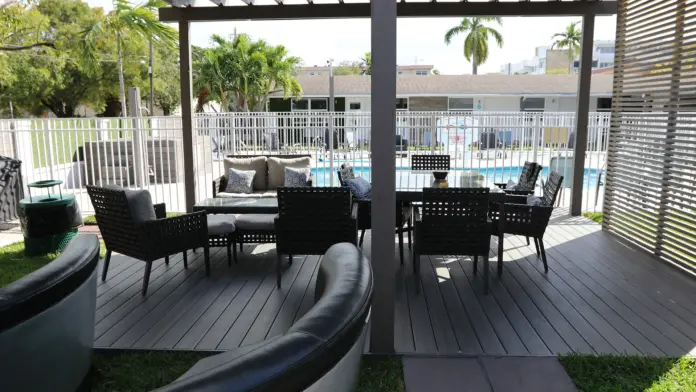
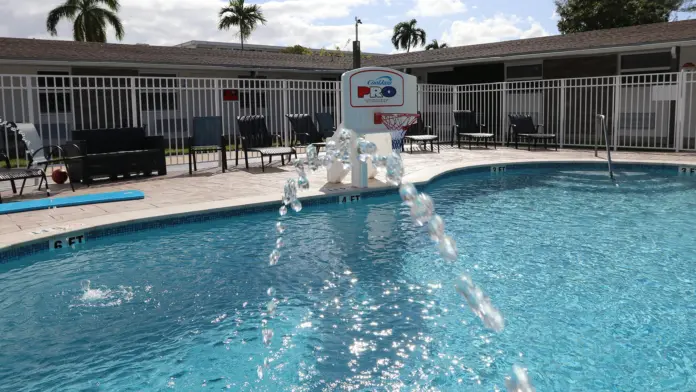
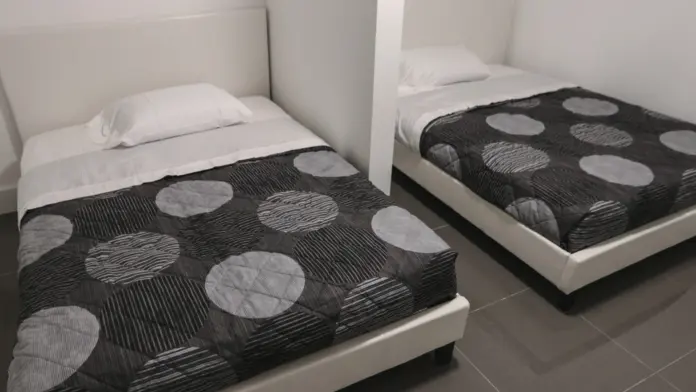
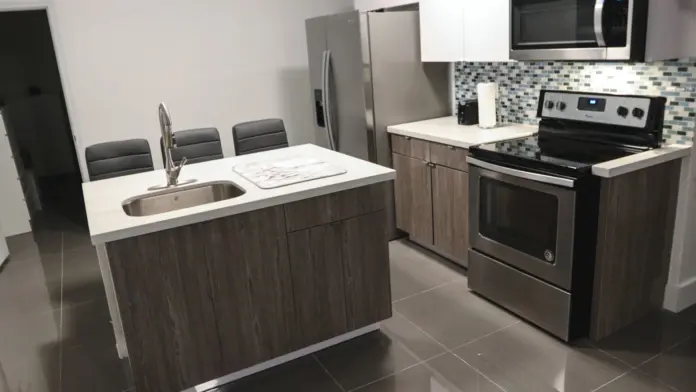
Private insurance refers to any kind of healthcare coverage that isn't from the state or federal government. This includes individual and family plans offered by an employer or purchased from the Insurance Marketplace. Every plan will have different requirements and out of pocket costs so be sure to get the full details before you start treatment.
Self-pay involves paying for treatment out of your own pocket. You can use savings or credit, get a personal loan, or receive help from family and friends to fund your treatment. If you don't have insurance or your insurance plan doesn't cover a specific program, self-pay can help ensure you still get the care you need.
A partial hospitalization program (PHP) is a short-term form of intensive rehab, usually for those with acute symptoms that are hard to manage but don’t require 24-hour care. PHPs have structured programming (i.e. individual and/or group therapy), and usually meet 3-5 days a week for around 6 hours (i.e. 9am-3m). Some PHPs are residential (patients sleep on site) and some are not, so patients sleep at home. PHPs can last from 1-6 months, and some offer transportation and meals.
Intensive Outpatient Programs (IOP) are for those who want or need a very structured treatment program but who also wish to live at home and continue with certain responsibilities (such as work or school). IOP substance abuse treatment programs vary in duration and intensity, and certain outpatient rehab centers will offer individualized treatment programs.
Outpatient Programs (OP) are for those seeking mental rehab or drug rehab, but who also stay at home every night. The main difference between outpatient treatment (OP) and intensive outpatient treatment (IOP) lies in the amount of hours the patient spends at the facility. Most of the time an outpatient program is designed for someone who has completed an inpatient stay and is looking to continue their growth in recovery. Outpatient is not meant to be the starting point, it is commonly referred to as aftercare.
Substance rehabs focus on helping individuals recover from substance abuse, including alcohol and drug addiction (both illegal and prescription drugs). They often include the opportunity to engage in both individual as well as group therapy.
Adult rehab programs include therapies tailored to each client's specific needs, goals, and recovery progress. They are tailored to the specific challenges adult clients may face, including family and work pressures and commitments. From inpatient and residential treatment to various levels of outpatient services, there are many options available. Some facilities also help adults work through co-occurring conditions, like anxiety, that can accompany addiction.
Group therapy is any therapeutic work that happens in a group (not one-on-one). There are a number of different group therapy modalities, including support groups, experiential therapy, psycho-education, and more. Group therapy involves treatment as well as processing interaction between group members.

The Joint Commission, formerly known as JCAHO, is a nonprofit organization that accredits rehab organizations and programs. Founded in 1951, the Joint Commision's mission is to improve the quality of patient care and demonstrating the quality of patient care.
Joint Commission Accreditation: Yes
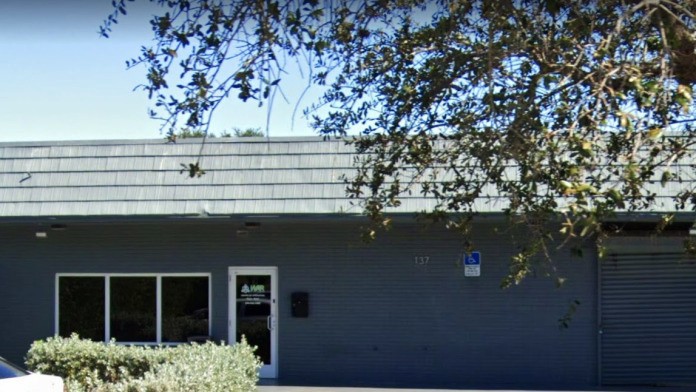
Rehab.com regularly reviews this listing for accuracy but changes may occur between updates. For the most up-to-date information, please contact WAR Network (We Are Recovery).

137 SE 1st Ave
#133
Hallandale, FL 33009
Sponsored Helpline

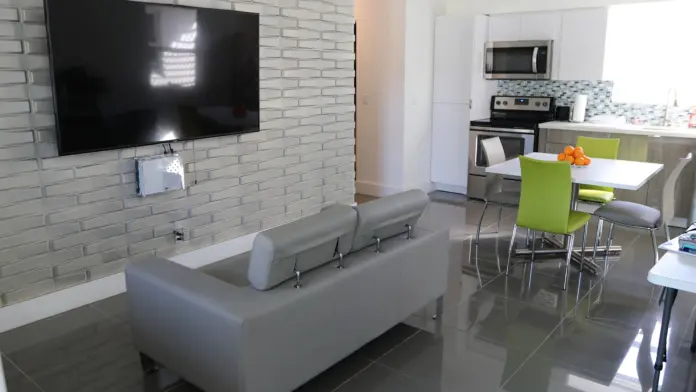
bed bugs INFESTED in apartments 5 and more. the current clinical director, taylor, refused to address the problem and blew it off.

They are unprofessional, do no research when they make decisions, are slow to respond to emails, and and keep no professionalism between the employees and patients.

WAR overall is a decent place. Is there room for improvement? Yes! Victoria is completely incompetent! She doesn't show up for work on time, ever! The other staff has to pick up her responsibilities. Victoria's responsibility is ordering medication. I asked her on my FIRST DAY, If sublicade was an option. Without any hesitation, she assured me she could get the sublicade shot ordered. Victoria would have me calling around to find pharmacist that had the medication in stock. The DAY, im out of my suboxone. Anxiety provoking!! I asked for an update on the sublicade shot and was told "it's a long process" everytime I asked. I'm now a MONTH out of treatment. Victoria won't respond to me! So I call my insurance company. VICTORIA NEVER APPLIED FOR SUBLICADE!!

An amazing place to get clean. The staff truly cares about you and your recovery. As long as your motivated, this place is a perfect fit!
 Back
Back
Sharing your insights and experiences can help others learn more about this rehab center.
 Written By: Peter Lee
PhD
Written By: Peter Lee
PhD


