











All In Solutions Wellness Center
1
Top 10 Rehab Centers In West Palm Beach



















































































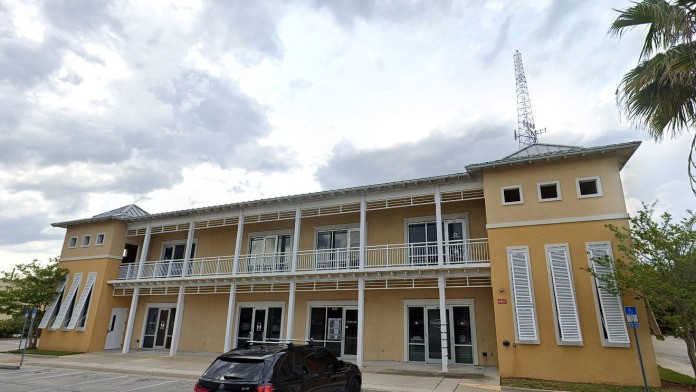
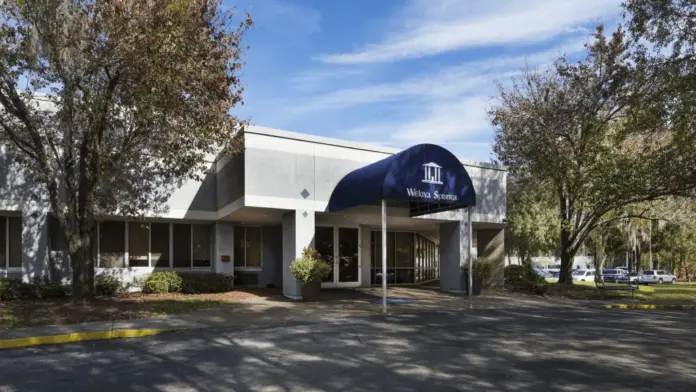
One unique service provided at Wekiva Springs Center is the senior adult treatment program. It’s specifically designed for older adults dealing with substance use or dual diagnosis disorders. It addresses common mental health issues of this life stage such as anxiety and depression. A customized plan of care will be created in collaboration with your family, your psychiatrist and your treatment team. Counselors will help seniors learn to cope with common stressors in their age group such as the loss of a partner and relationships with their adult children.
An additional specialized program offered at Wekiva Springs Center is the women’s trauma intensive outpatient program. The facility recognizes that trauma can sometimes be the cause of substance abuse and a variety of mental illnesses. Counselors are trained to help with different issues including domestic violence and emotional abuse. The staff will use a combination of skills building, cognitive behavioral therapy and dialectical behavioral therapy to treat symptoms uniquely associated with women’s trauma.
Other services available in Wekiva Springs’ outpatient program are medication assisted treatment and education and support for family members. There’s also no shortage of fun activities in Jacksonville including walking around at Kathryn Abbey Hanna Park or swimming at Adventure Landing theme park.

 Our Methodology


-696x392.webp)
Medicaid is a state based program that helps lower-income individuals and families pay for healthcare. Medicaid covers addiction treatment so those enrolled can use their coverage to pay for rehab. When a program accepts Medicaid the client often pays very little or nothing out of their own pocket.
Private insurance refers to any kind of healthcare coverage that isn't from the state or federal government. This includes individual and family plans offered by an employer or purchased from the Insurance Marketplace. Every plan will have different requirements and out of pocket costs so be sure to get the full details before you start treatment.
Self-pay involves paying for treatment out of your own pocket. You can use savings or credit, get a personal loan, or receive help from family and friends to fund your treatment. If you don't have insurance or your insurance plan doesn't cover a specific program, self-pay can help ensure you still get the care you need.
Medicare is a federal program that provides health insurance for those 65 and older. It also serves people under 65 with chronic and disabling health challenges. To use Medicare for addiction treatment you need to find a program that accepts Medicare and is in network with your plan. Out of pocket costs and preauthorization requirements vary, so always check with your provider.
Military members, veterans, and eligible dependents have access to specific insurance programs that help them get the care they need. TRICARE and VA insurance can help you access low cost or no cost addiction and mental health treatment. Programs that accept military insurance often have targeted treatment focused on the unique challenges military members, veterans, and their families face.
Outpatient Programs (OP) are for those seeking mental rehab or drug rehab, but who also stay at home every night. The main difference between outpatient treatment (OP) and intensive outpatient treatment (IOP) lies in the amount of hours the patient spends at the facility. Most of the time an outpatient program is designed for someone who has completed an inpatient stay and is looking to continue their growth in recovery. Outpatient is not meant to be the starting point, it is commonly referred to as aftercare.
Residential treatment programs are those that offer housing and meals in addition to substance abuse treatment. Rehab facilities that offer residential treatment allow patients to focus solely on recovery, in an environment totally separate from their lives. Some rehab centers specialize in short-term residential treatment (a few days to a week or two), while others solely provide treatment on a long-term basis (several weeks to months). Some offer both, and tailor treatment to the patient's individual requirements.
Intensive Outpatient Programs (IOP) are for those who want or need a very structured treatment program but who also wish to live at home and continue with certain responsibilities (such as work or school). IOP substance abuse treatment programs vary in duration and intensity, and certain outpatient rehab centers will offer individualized treatment programs.
Rehab aftercare programs are a collection of highly individualized services designed to promote long-term recovery. These services evolve as your needs change. Case managers and recovery teams typically begin formulating the rehab aftercare service plan early in the recovery process to facilitate your reintegration back into the home, workplace, and community.
12-step programs are addiction recovery models based on Alcoholics Anonymous (AA). A number of substance abuse programs (including some drug and alcohol rehab centers) use the 12 steps as a basis for treatment. Beginning steps involve admitting powerlessness over the addiction and creating a spiritual basis for recovery. Middle steps including making direct amends to those who've been hurt by the addiction, and the final step is to assist others in addiction recovery in the same way. 12-Step offshoots including Narcotics Anonymous (NA), Cocaine Anonymous (CA), Dual Recovery Anonymous (DRA), Sex and Love Addicts Anonymous (SLAA) and Gamblers Anonymous (GA).
A sober living home in Florida often serves as a transitional residence for individuals coming out of inpatient rehab. This helps those in recovery avoid isolation that can sometimes happen after they return home from treatment. It offers a supportive environment where they can practice skills learned in rehab. Offering a combination of structure and freedom, men's or women's sober living is a good stepping stone to independent life in recovery.
If a person with a substance use disorder continually denies their problem or refuses to get treatment, a drug intervention in Florida may be necessary. Intervention services can help mediate the intervention by providing an addiction expert. This professional can de-escalate situations and facilitate a healthier discussion between the individual and their loved ones. Specialists can also help families handle issues they don't know how to navigate on their own.
Drug and alcohol addiction often takes a heavy toll on one's body. Over time, a physical dependence can develop, meaning the body physiologically needs the substance to function. Detox is the process of removing drugs and/or alcohol from the body, a process that can be lethal if mismanaged. Medical detox is done by licensed medical professionals who monitor vital signs and keep you safe, healthy, and as comfortable as possible as you go through detox and withdrawal.
The goal of treatment for alcoholism is abstinence. Those with poor social support, poor motivation, or psychiatric disorders tend to relapse within a few years of treatment. For these people, success is measured by longer periods of abstinence, reduced use of alcohol, better health, and improved social functioning. Recovery and Maintenance are usually based on 12 step programs and AA meetings.
Drug rehab in Florida provides quality treatment to help individuals overcome dependency related to a wide range of addictive substances. Programs address both the physical and mental aspects of addiction in order to help you make a full recovery.
Many of those suffering from addiction also suffer from mental or emotional illnesses like schizophrenia, bipolar disorder, depression, or anxiety disorders. Rehab and other substance abuse facilities treating those with a dual diagnosis or co-occurring disorder administer psychiatric treatment to address the person's mental health issue in addition to drug and alcohol rehabilitation.
A combined mental health and substance abuse rehab has the staff and resources available to handle individuals with both mental health and substance abuse issues. It can be challenging to determine where a specific symptom stems from (a mental health issue or an issue related to substance abuse), so mental health and substance abuse professionals are helpful in detangling symptoms and keeping treatment on track.
Opioid rehabs specialize in supporting those recovering from opioid addiction. They treat those suffering from addiction to illegal opioids like heroin, as well as prescription drugs like oxycodone. These centers typically combine both physical as well as mental and emotional support to help stop addiction. Physical support often includes medical detox and subsequent medical support (including medication), and mental support includes in-depth therapy to address the underlying causes of addiction.
Adult rehab programs include therapies tailored to each client's specific needs, goals, and recovery progress. They are tailored to the specific challenges adult clients may face, including family and work pressures and commitments. From inpatient and residential treatment to various levels of outpatient services, there are many options available. Some facilities also help adults work through co-occurring conditions, like anxiety, that can accompany addiction.
Young adulthood can be an exciting, yet difficult, time of transition. Individuals in their late teens to mid-20s face unique stressors related to school, jobs, families, and social circles, which can lead to a rise in substance use. Rehab centers with dedicated young adult programs will include activities and amenities that cater to this age group, with an emphasis on specialized counseling, peer socialization, and ongoing aftercare.
Serving in the military is both mentally and physically challenging, and can result in trauma that persists even after combat ends. Military programs are tailored to the specific and often complex needs of active duty personnel, veterans, and military families. Clients often access these programs through the U.S. Department of Veterans Affairs (VA).
Therapists who apply cognitive behavioral therapy in Florida believe patient thoughts and behaviors are closely linked. They use this treatment method to help clients change their thought patterns so they can also change behaviors and break free from substance abuse.
Dialectical behavior therapy in Florida consists of individual therapy and group instruction. This structured program is a form of psychotherapy that incorporates the development of skills for managing emotions and relationships.
Group therapy is any therapeutic work that happens in a group (not one-on-one). There are a number of different group therapy modalities, including support groups, experiential therapy, psycho-education, and more. Group therapy involves treatment as well as processing interaction between group members.
In individual therapy, a patient meets one-on-one with a trained psychologist or counselor. Therapy is a pivotal part of effective substance abuse treatment, as it often covers root causes of addiction, including challenges faced by the patient in their social, family, and work/school life.
Trauma therapy addresses traumatic incidents from a client's past that are likely affecting their present-day experience. Trauma is often one of the primary triggers and potential causes of addiction, and can stem from child sexual abuse, domestic violence, having a parent with a mental illness, losing one or both parents at a young age, teenage or adult sexual assault, or any number of other factors. The purpose of trauma therapy is to allow a patient to process trauma and move through and past it, with the help of trained and compassionate mental health professionals.
During couples therapy in Florida, your therapist will take steps to get to know you, help you identify feelings, explore the past, develop solutions, and help you learn skills to manage relationship challenges. This process will allow you to work through conflict and strengthen your relationship.
Research clearly demonstrates that recovery is far more successful and sustainable when loved ones like family members participate in rehab and substance abuse treatment. Genetic factors may be at play when it comes to drug and alcohol addiction, as well as mental health issues. Family dynamics often play a critical role in addiction triggers, and if properly educated, family members can be a strong source of support when it comes to rehabilitation.
Life skills are the core skills you need for daily success. They can include self care, stress management, daily routines, and emotion control. Rehab treatment includes the development of these skills so you have the tools you need for long term recovery.
Substance abuse creates biochemical imbalances in your body and brain. By implementing dietary changes, you can restore that balance. This is the goal of nutrition therapy in Florida. You'll gain an understanding of what nutrients your body needs and learn best self care practices.
EMDR is a therapeutic modality originally developed to help process trauma. In an EMDR session, a patient is prompted to undergo eye movements that mimic those of REM sleep. This is accomplished by watching a therapist's finger move back and forth across, or following a bar of light. The goal is repetitive sets of eye movements that help the brain reprocess memory, which can significantly reduce the intensity of remembered traumatic incidents. Associated memories can heal simultaneously, leaving patients significantly calmer, more stable, and more emotionally relaxed.
Creativity is inherently healing, and can help those in recovery express thoughts or feelings they might not otherwise be able to. Creative arts therapy can include music, poetry/writing, painting, sculpting, dance, theater, sandplay, and more. Unlike traditional art, the final product matters far less than the experience of creation and expression itself.
Experiential therapy is a form of therapy in which clients are encouraged to surface and work through subconscious issues by engaging in real-time experiences. Experiential therapy departs from traditional talk therapy by involving the body, and having clients engage in activities, movements, and physical and emotional expression. This can involve role-play or using props (which can include other people). Experiential therapy can help people process trauma, memories, and emotion quickly, deeply, and in a lasting fashion, leading to substantial and impactful healing.
 Private Setting
  Yoga Studio
CEO
Medical Director
Psychiatrist
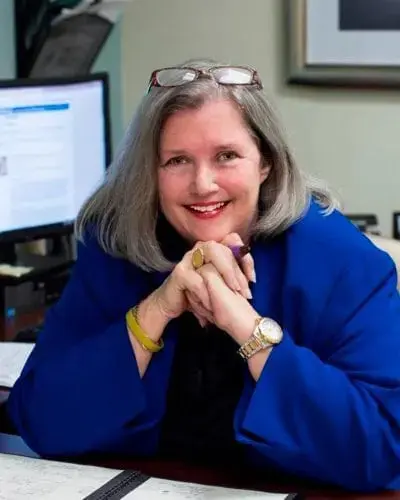
Director of Nursing
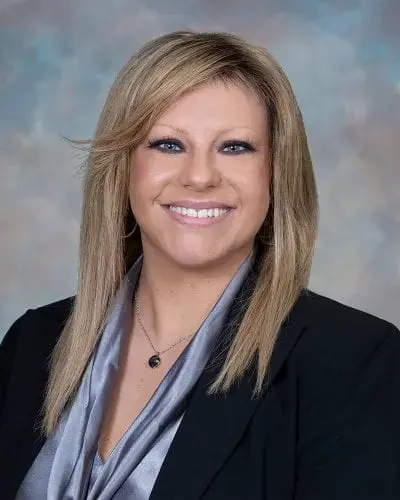
Director of Social Services
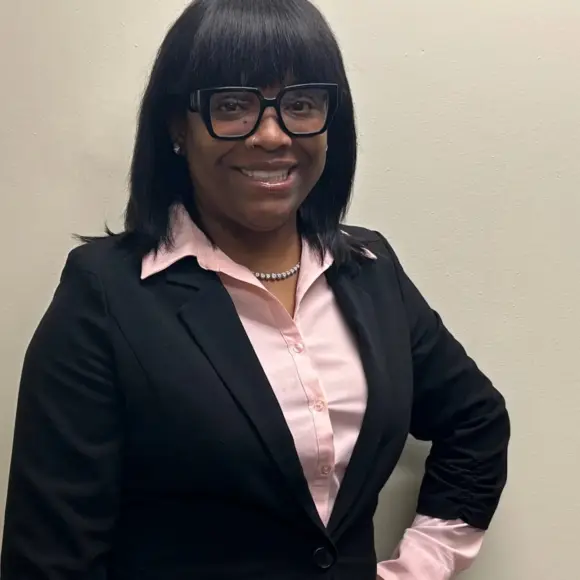
Director of Admissions

Director of Utilization Management

The Joint Commission, formerly known as JCAHO, is a nonprofit organization that accredits rehab organizations and programs. Founded in 1951, the Joint Commision's mission is to improve the quality of patient care and demonstrating the quality of patient care.
Joint Commission Accreditation: Yes
Rehab.com regularly reviews this listing for accuracy but changes may occur between updates. For the most up-to-date information, please contact Wekiva Springs Outpatient Center – Beaches.

1909 Beach Blvd
Suite 202
Jacksonville Beach, FL 32250
Sponsored Helpline

Everyone is very nice and welcoming. Julie and Maryland are very compassionate. We are from South Florida, and love the way this facility has accommodated my daughter. Both Beach Blvd and Salisbury location. In Jacksonville you get the help you need. You are just a number and get no help in the South Florida area. We are thankful

I wish I could give zero stars. Unprofessional and rude. Lacks compassion and empathy. Low level care, come here if you want to be babysat, not real help. Come here if you want to be told everything happening to you is your fault. Did nothing to help me, I left early because I found little to no value in coming here. I urge you to find somewhere else that is actually worth your time, energy and money. I wish I never went there. I’d be better off if I didn’t waste my time trusting Wekiva Springs.

Messy, NP was never able to send in my meds properly. She once sent in a totally different Rx. The quantity was always wrong yet office staff had to go behind her every time and correct it. I was never able to stabilize my mental health under her care. She refused to fill out accommodation paperwork “ since I only see you every 3 months. I have always seen her every month. She at one point said I am sorry I need to see you every month. I said you already see me monthly and she said no. It’s almost as if she has some sort of dementia. She was always 2+hours late for my appointments. She’s only in office on Thursdays and I would not have the ability to make plans on my day off due to the inability to get anywhere close to my appointment. I never was asked for payment information until I got a collection letter. I had met my out of pocket max when I first started there and assumed that’s why.

No words.... 2021, the location was different... the staff respected you, so you had it for them. Now, I feel worse than I ever did. I am doing individual and refuse to go to another outpatient.
 Back
Back
Sharing your insights and experiences can help others learn more about this rehab center.
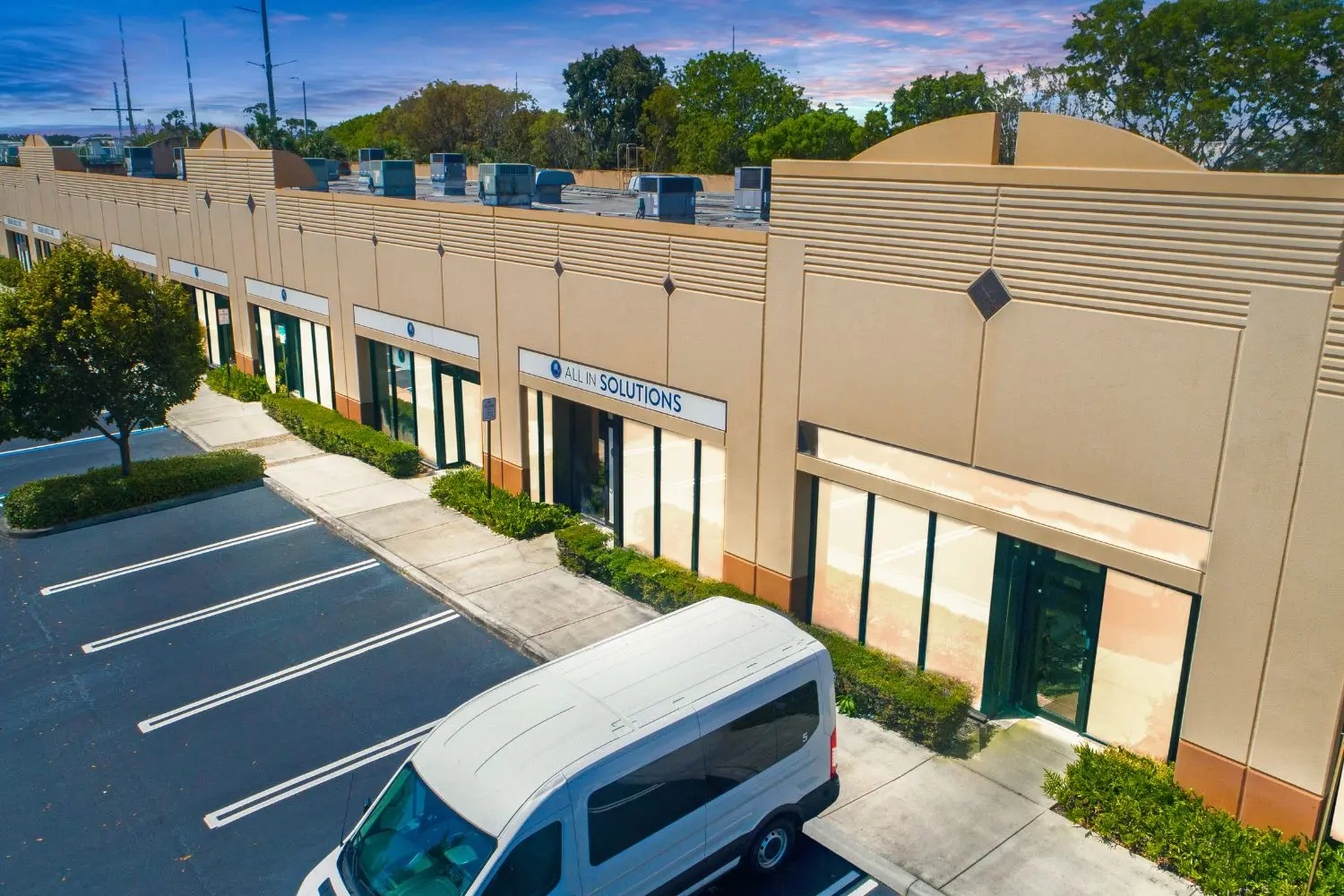
 Written By: Eric Owens