Symetria — Hurst Outpatient Rehab & Suboxone Clinic
1
Top 10 Rehab Centers In Hurst





















































































 Our Methodology


Rehab aftercare programs are based on a model of continuing care and the premise that recovery is a life-long process requiring ongoing client support. Many rehab aftercare services include outpatient care, but clients often continue to receive support after being discharged from formal treatment. Case managers and care teams typically collaborate with clients to design their long-term care plan, which may include peer coaching, career counseling, and 12 step program induction, among other services.
With a co-occurring drug or alcohol addiction and a mental health disorder, you'll want to seek out a dual diagnosis treatment center. These specialized rehabs offer services to address both conditions at the same time, including 24/7 access to medical and mental health professionals. By treating both disorders at the same time, it drastically increases your chances of successful long-term recovery.
Substance abuse treatment is available in Texas for anyone who's struggling with drug or alcohol addiction. These programs usually provide a comprehensive assessment and individualized treatment plan, and include evidence-based treatments, like therapies such as cognitive-behavioral therapy (CBT) to reframe unhelpful coping strategies, and dialectical behavior therapy (DBT) to help with emotional regulation and stress.
The goal of cognitive behavioral therapy (CBT) in Texas is to change thought patterns, which leads to changes in behavior. Specific techniques during CBT can include self talk, SMART goals, journaling, and positive activities.
Treatment that takes a dialectical behavior therapy approach focuses on four strategies. Distress tolerance will help you accept and tolerate intense emotions. Emotional regulation will teach you to manage those emotions. Mindfulness will keep you in the present moment instead of regret or worry. Interpersonal effectiveness will teach you to manage your relationships.
Individual therapy offers you a confidential space to address the complexities of your drug or alcohol addiction. Your therapist guides these personalized sessions to help develop self awareness and manage stress. This promotes sustained sobriety and overall well being.
Peer support is an important aspect of group therapy sessions for drug and alcohol addiction. As you and your peers share stories and encourage each other, it fosters a sense of community and belonging that helps you process your feelings and reduces the sense of isolation that is associated with addiction.
Rehab.com regularly reviews this listing for accuracy but changes may occur between updates. For the most up-to-date information, please contact Williamson Detox Support & Information.

1675 Republic Pkwy, Mesquite, TX 75150
Sponsored Helpline

Staff was passionate and gave me a ton of information I needed to better understand what my son was going through.

Great place. Helped me a lot.

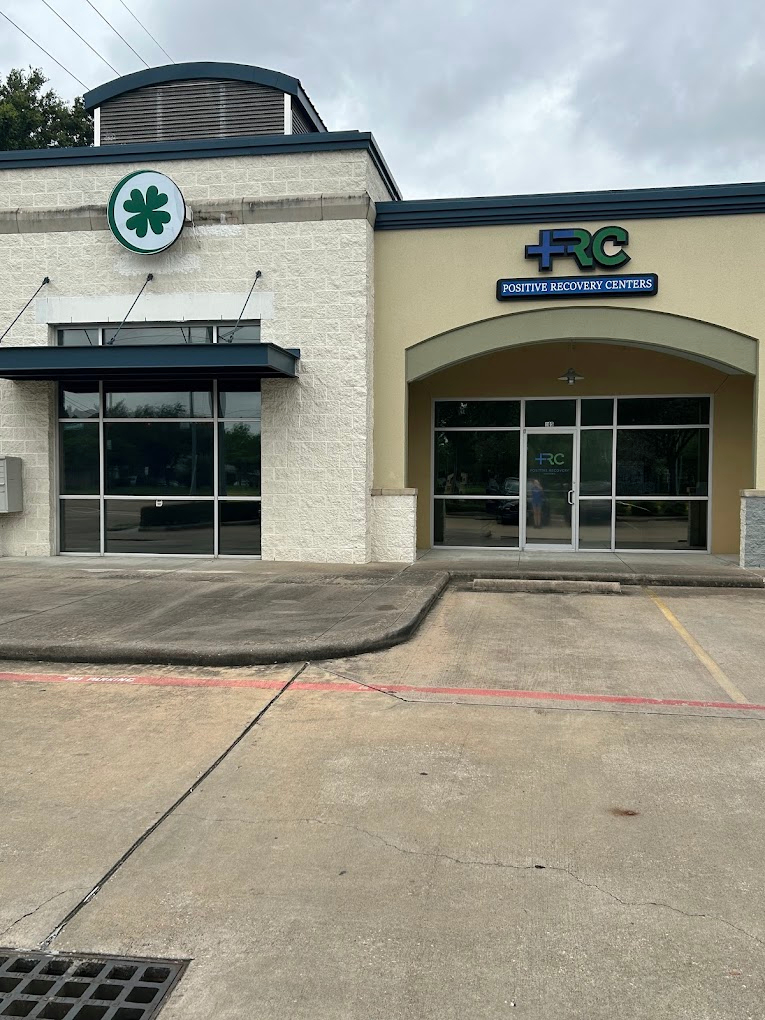
This company is faking thier address. They are not located at this office.
 Back
Back
Sharing your insights and experiences can help others learn more about this rehab center.