





























































































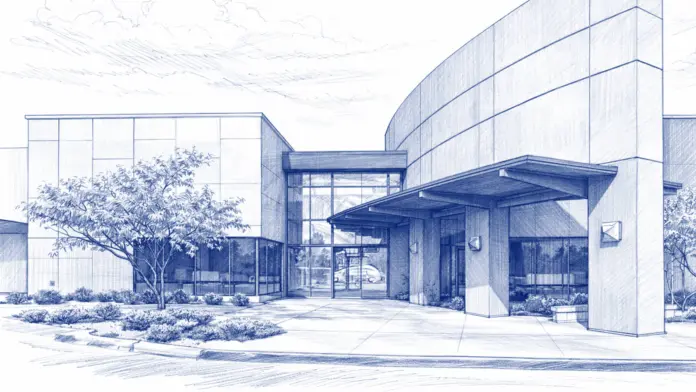
About AA – Alcoholics Anonymous – Central Office
AA – Alcoholics Anonymous – Central Office in Mobile, Alabama is a local hub for the internationally recognized peer support fellowship dedicated to helping people overcome alcohol use disorder.
The program centers on shared experience and mutual support with the time tested 12 Step model connecting clients who have a desire to stop drinking with others who understand the journey firsthand.
Peer Support for Alcohol Recovery in Mobile, AL
The Mobile Central Office serves as a local resource and connection point for the AA fellowship throughout the southwest Alabama region. Membership is open to anyone with a desire to stop drinking with no dues, fees, or professional referral required to participate.
At AA meetings, members come together to share their experience, strength, and hope with one another in a supportive and judgment free environment. This peer based approach addresses both the personal and social dimensions of alcohol dependency helping members build accountability and community as they work toward sobriety.
A Fellowship Built on Accessibility
The Mobile Central Office is located on Bel Air Boulevard in Mobile with meetings available throughout the surrounding community. AA is a nonprofessional and self supporting apolitical program that welcomes people of all backgrounds regardless of race, religion, or affiliation.
There are no dues or fees for AA membership as the fellowship is entirely self supporting through voluntary contributions.

Rehab Score
 Our Methodology


Gallery
Other Forms of Payment
 Free
FreeAddiction Treatments
Levels of Care
12-step programs are addiction recovery models based on Alcoholics Anonymous (AA). A number of substance abuse programs (including some drug and alcohol rehab centers) use the 12 steps as a basis for treatment. Beginning steps involve admitting powerlessness over the addiction and creating a spiritual basis for recovery. Middle steps including making direct amends to those who've been hurt by the addiction, and the final step is to assist others in addiction recovery in the same way. 12-Step offshoots including Narcotics Anonymous (NA), Cocaine Anonymous (CA), Dual Recovery Anonymous (DRA), Sex and Love Addicts Anonymous (SLAA) and Gamblers Anonymous (GA).
Treatments
The goal of treatment for alcoholism is abstinence. Those with poor social support, poor motivation, or psychiatric disorders tend to relapse within a few years of treatment. For these people, success is measured by longer periods of abstinence, reduced use of alcohol, better health, and improved social functioning. Recovery and Maintenance are usually based on 12 step programs and AA meetings.
Drug rehab in Alabama provides medical or psychotherapeutic treatment for drug dependency. Methods of treatment often include a combination of medication, counseling, and recreational therapies.
Substance rehabs focus on helping individuals recover from substance abuse, including alcohol and drug addiction (both illegal and prescription drugs). They often include the opportunity to engage in both individual as well as group therapy.
Programs
Adult rehab programs include therapies tailored to each client's specific needs, goals, and recovery progress. They are tailored to the specific challenges adult clients may face, including family and work pressures and commitments. From inpatient and residential treatment to various levels of outpatient services, there are many options available. Some facilities also help adults work through co-occurring conditions, like anxiety, that can accompany addiction.
Young adulthood can be an exciting, yet difficult, time of transition. Individuals in their late teens to mid-20s face unique stressors related to school, jobs, families, and social circles, which can lead to a rise in substance use. Rehab centers with dedicated young adult programs will include activities and amenities that cater to this age group, with an emphasis on specialized counseling, peer socialization, and ongoing aftercare.
Clinical Services
Group therapy is any therapeutic work that happens in a group (not one-on-one). There are a number of different group therapy modalities, including support groups, experiential therapy, psycho-education, and more. Group therapy involves treatment as well as processing interaction between group members.
Rehab.com regularly reviews this listing for accuracy but changes may occur between updates. For the most up-to-date information, please contact AA – Alcoholics Anonymous – Central Office.
Contact Information


600 Bel Air Boulevard Suite 224
Mobile, AL 36606
Sponsored Helpline


