





























































































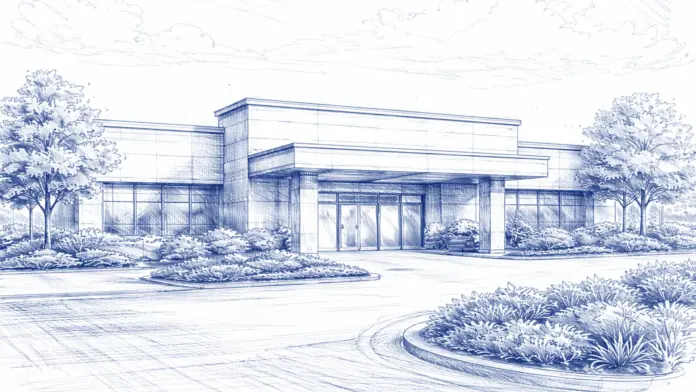
About Absolute Control Transitional Counseling Center
The residential program can last between a few weeks to a few months. Treatment consists of intensive therapy, access to round-the-clock professional support and supervision, peer-to-peer support, family therapy, and psychoeducation.
The outpatient program includes evaluation, intervention, relapse prevention, psychoeducation, group and individual therapy, medication-assisted treatment, and awareness. Treatment focuses on the underlying causes of addiction, personalized support, and coping skills.
The sober living and structured facilities offer comfortable amenities for individuals looking to get back on their feet after treatment. Sober living focuses on reducing or eliminating the risk of relapse, creating a peer community, incorporating or continuing a long-term success plan, and continuing outpatient treatment and meetings.
Absolute Control Transitional Counseling Center may accept a wide range of insurance plans, such as Humana, Ambetter, Cigna, Anthem Blue Cross Blue Shield, United Healthcare, Aetna, and more. Because insurance plans vary, be sure to verify coverage information and out of network details with the insurer.
Latest Reviews

I am especially proud of you for recognizing that recovery does not occur in isolation and for having the courage to become actively involved in the recovery process alongside your significant other. Addiction is often described as a family disease, not because the family caused the addiction or because anyone should be blamed, but because when one person struggles, the effects can invariably influence how everyone within that family system communicates, responds, copes, and relates to one another.
Throughout this process, you consistently and courageously participated in family group and individual sessions. You trusted me enough to discuss intimate and sometimes difficult aspects of your relationship, and you demonstrated a willingness to examine not only what your significant other needed to change, but also what you could learn about yourself.
That is where the principles I teach—INTROSPECT, RETROSPECT, and CORRECT—become more than words. Introspection requires us to honestly look within. Retrospection asks us to understand how our experiences, relationships, beliefs, and patterns developed. Correction means taking what we have learned and intentionally doing something different.
One of the most meaningful changes I witnessed was your growing understanding that healthy independence helps create healthy interdependence. You began recognizing the difference between loving and supporting someone and becoming emotionally enmeshed in another person's struggles. That awareness is an important part of interrupting longstanding patterns of codependency and creating healthier relationships for yourself, your significant other, and potentially future generations.
Recovery is a proactive and responsible process. We can hope for change. We can talk about change. We can pray for change, if that is what we believe. But ultimately, we must also participate in that prayer by taking action. Sustainable change requires a paradigm shift significant enough to produce different choices, behaviors, boundaries, coping strategies, and relationships.
I am proud of the work your significant other is doing, but I am equally proud that you have been willing to face this journey yourself. Watching someone we love struggle with addiction can be extraordinarily difficult, and your willingness to examine your own responses while continuing to love and support another person demonstrates tremendous courage.
Thank you again for your beautiful words about Dedicato. Our name represents what we strive to provide every day: dedication to the human being in front of us. I know that I have a calling and purpose in this work, but that purpose means very little unless what we do has a meaningful and positive impact on the lives of the people and families who trust us.
Your review reminds our entire team why we continue doing this work.
We are proud of both of you, grateful for your trust, and honored to have been part of your journey.
With gratitude,
Dr. Keith L. Marshall, PsyD, M.H.D., MAC, SAP
Founder, CEO & Clinical Supervisor
Dedicato Treatment Center

You came into this process with one of the most important qualities a person can bring to treatment: **willingness**. You maintained a positive attitude, you were kind and encouraging, and most importantly, you were willing to look honestly at yourself and take responsibility for the things you wanted to change.
In the world of mental health and substance use disorder treatment, that is not always easy. Shame, fear, denial, and pain can sometimes make it difficult for people to confront uncomfortable truths. But that was not your approach. You stayed committed. You remained focused. You acknowledged your mistakes without allowing those mistakes to define who you are, and you demonstrated a genuine desire to grow from them.
I have always believed that sometimes it is not about how we fall—it is about **how we get back up**. You got back up.
I believe the lessons you have learned through this experience will allow you to become an even greater source of strength to the people around you. Your willingness to grow, change, and take responsibility is something you should carry forward with pride.
People like you remind me why I chose this work. Yes, we all have to make a living, but for me, this work has always been much more than a profession. **It is my calling.**
Mental health and substance use disorder treatment can be demanding, discouraging, and sometimes heartbreaking. There is no cookie-cutter treatment and there is no magic intervention that changes someone's life overnight. We can provide clinical guidance, education, accountability, support, and direction, but ultimately, lasting change happens when a person decides to become an active participant in their own healing.
Angelia, you were that active participant.
Your words encourage not only me, but our entire team, to continue doing this work. Thank you for trusting us, thank you for your willingness, and thank you for reminding me why this work matters so deeply.
Continue moving forward. Continue growing. And never forget how far you have already come.
**You will always be family.**
God bless you,
**Dr. Keith L. Marshall**

I truly appreciate your kind comments about Dedicato Treatment Center. Our program is driven by a genuine passion for helping people. We understand the assignment that has been placed before us: to meet people where they are, plant seeds of hope and recovery, and help them recognize that meaningful and lasting change is possible.
Marcus, one of the most rewarding things for us has been watching your attitude, cooperation, and willingness to courageously and honestly look at yourself. Recovery takes courage. It also takes proactive and responsible accountability, honest self-reflection, and a willingness to make difficult changes when necessary.
While we are grateful to have played a role in your journey, I want you to understand that you deserve credit for the changes you are making. We are seed planters. We can provide guidance, support, encouragement, and sometimes even challenge you when necessary—but you are the one who has to decide what to do with those seeds. Your courage, honesty, willingness to accept accountability, and commitment to doing the work are what have allowed those seeds to grow.
I am extremely thankful for the passionate staff around me who genuinely care about the people we serve. Our greatest reward is not simply completing a program with someone; it is seeing people like you make meaningful changes that positively and profoundly affect not only your own life, but also the lives of the people around you—especially your family.
That is what makes this work worthwhile.
God bless you, Marcus. We are proud to welcome you into our alumni community, and we look forward to continuing to see you at our weekly alumni meetings. Any Saturday that you and your wife decide to come by, know that the door is open. Treatment may have a beginning and an end, but the connection does not have to end.
Stay courageous, stay accountable, and keep moving forward...
Dr. Keith L. Marshall
Dedicato Treatment Center

Rehab Score
 Our Methodology


Location
Accepted Insurance
Other Forms of Payment
Self-pay involves paying for treatment out of your own pocket. You can use savings or credit, get a personal loan, or receive help from family and friends to fund your treatment. If you don't have insurance or your insurance plan doesn't cover a specific program, self-pay can help ensure you still get the care you need.
Financial aid can take many forms. Centers may have grants or scholarships available to clients who meet eligibility requirements. Programs that receive SAMHSA grants may have financial aid available for those who need treatment as well. Grants and scholarships can help you pai for treatment without having to repay.
Sliding scale payments are based on a client's income and family size. The goal is to make treatment affordable to everyone. By taking these factors into account, addiction recovery care providers help ensure that your treatment does not become a financial burden to you or your family, eliminating one barrier to care.
Private insurance refers to any kind of healthcare coverage that isn't from the state or federal government. This includes individual and family plans offered by an employer or purchased from the Insurance Marketplace. Every plan will have different requirements and out of pocket costs so be sure to get the full details before you start treatment.
Addiction Treatments
Levels of Care
Absolute Control Transitional Counseling Center provides outpatient-style transitional counseling services for substance use recovery, offering structured counseling programming and group-based services to support sobriety and reintegration in Pasadena, California.
Treatments
Absolute Control Transitional Counseling Center focuses on transitional counseling services for substance use recovery, providing structured programming aimed at supporting ongoing sobriety and community reintegration.
Programs
Adult rehab programs include therapies tailored to each client's specific needs, goals, and recovery progress. They are tailored to the specific challenges adult clients may face, including family and work pressures and commitments. From inpatient and residential treatment to various levels of outpatient services, there are many options available. Some facilities also help adults work through co-occurring conditions, like anxiety, that can accompany addiction.
Young adulthood can be an exciting, yet difficult, time of transition. Individuals in their late teens to mid-20s face unique stressors related to school, jobs, families, and social circles, which can lead to a rise in substance use. Rehab centers with dedicated young adult programs will include activities and amenities that cater to this age group, with an emphasis on specialized counseling, peer socialization, and ongoing aftercare.
Clinical Services
Cognitive Behavioral Therapy (CBT) is a therapy modality that focuses on the relationship between one's thoughts, feelings, and behaviors. It is used to establish and allow for healthy responses to thoughts and feelings (instead of unhealthy responses, like using drugs or alcohol). CBT has been proven effective for recovering addicts of all kinds, and is used to strengthen a patient's own self-awareness and ability to self-regulate. CBT allows individuals to monitor their own emotional state, become more adept at communicating with others, and manage stress without needing to engage in substance abuse.
Dialectical Behavior Therapy (DBT) is a modified form of Cognitive Behavioral Therapy (CBT), a treatment designed to help people understand and ultimately affect the relationship between their thoughts, feelings, and behaviors. DBT is often used for individuals who struggle with self-harm behaviors, such as self-mutilation (cutting) and suicidal thoughts, urges, or attempts. It has been proven clinically effective for those who struggle with out-of-control emotions and mental health illnesses like Borderline Personality Disorder.
Research clearly demonstrates that recovery is far more successful and sustainable when loved ones like family members participate in rehab and substance abuse treatment. Genetic factors may be at play when it comes to drug and alcohol addiction, as well as mental health issues. Family dynamics often play a critical role in addiction triggers, and if properly educated, family members can be a strong source of support when it comes to rehabilitation.
Group therapy is any therapeutic work that happens in a group (not one-on-one). There are a number of different group therapy modalities, including support groups, experiential therapy, psycho-education, and more. Group therapy involves treatment as well as processing interaction between group members.
In individual therapy, a patient meets one-on-one with a trained psychologist or counselor. Therapy is a pivotal part of effective substance abuse treatment, as it often covers root causes of addiction, including challenges faced by the patient in their social, family, and work/school life.
Life skills trainings involve all the skills a person must have in order to function successfully in the world. These include time management, career guidance, money management, and effective communication. Truly successful addiction recovery is based on the ability to not only live substance-free, but to thrive. Life skills teaches the practical necessities of functioning in society, which sets clients up for success in life, and therefore sobriety.
Motivational Interviewing (MI) is a clinical approach to helping people with substance abuse issues and other conditions shift behavior in positive ways. It is more goal-oriented than traditional psychotherapy, as MI counselors directly attempt to get clients to consider making behavioral change (rather than wait for them to come to conclusions themselves). Its primary purpose is to resolve ambivalence and help clients become able to make healthy choices freely.
Trauma therapy addresses traumatic incidents from a client's past that are likely affecting their present-day experience. Trauma is often one of the primary triggers and potential causes of addiction, and can stem from child sexual abuse, domestic violence, having a parent with a mental illness, losing one or both parents at a young age, teenage or adult sexual assault, or any number of other factors. The purpose of trauma therapy is to allow a patient to process trauma and move through and past it, with the help of trained and compassionate mental health professionals.
Staff & Accreditations
Staff
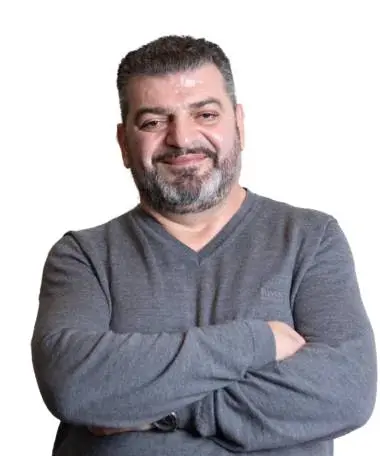
Ogannes Nardos
Executive Director

Albert Poghosyan
Clinical Supervisor

Sabrina Torosyan
Clinical Coordinator
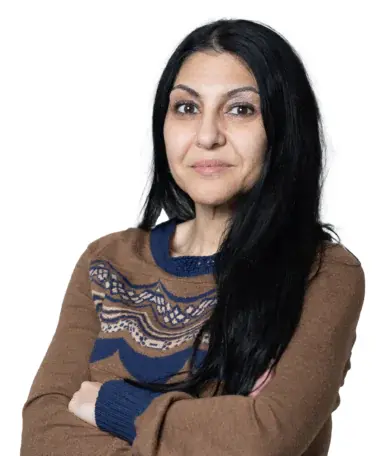
Susie Eskilian
Office Manager
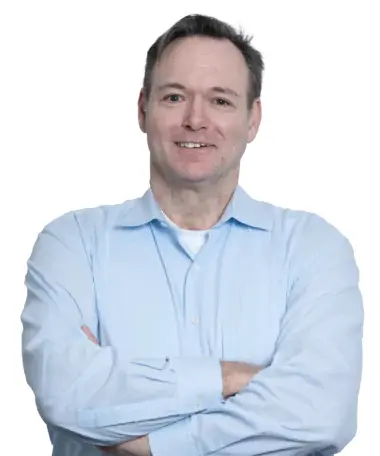
Ronald Johnson
Case Manager
Accreditations

State Licenses are permits issued by government agencies that allow rehab organizations to conduct business legally within a certain geographical area. Typically, the kind of program a rehab facility offers, along with its physical location, determines which licenses are required to operate legally.
State License: California
License Number: 190462AN
Rehab.com regularly reviews this listing for accuracy but changes may occur between updates. For the most up-to-date information, please contact Absolute Control Transitional Counseling Center.
Contact Information


133 North Altadena Drive, 401, Pasadena, CA 91107
Sponsored Helpline


