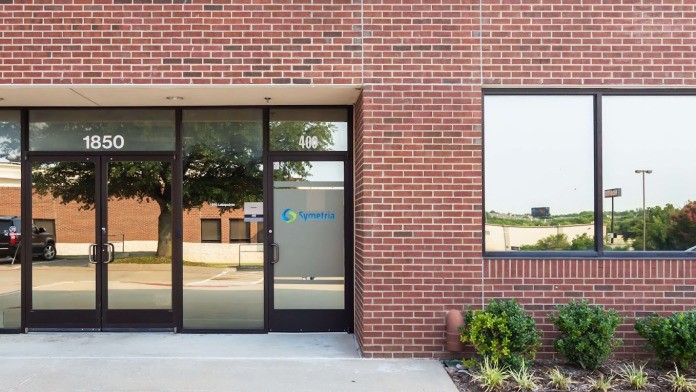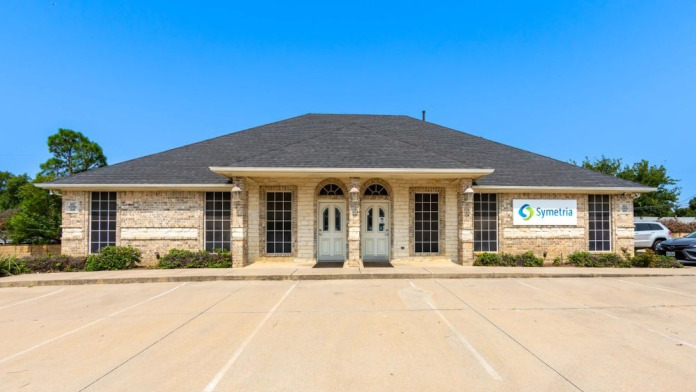
Symetria — Hurst Outpatient Rehab & Suboxone Clinic
1
Top 10 Rehab Centers In Hurst



















































































 15 - 30
 Our Methodology


Medicaid is a state based program that helps lower-income individuals and families pay for healthcare. Medicaid covers addiction treatment so those enrolled can use their coverage to pay for rehab. When a program accepts Medicaid the client often pays very little or nothing out of their own pocket.
Private insurance refers to any kind of healthcare coverage that isn't from the state or federal government. This includes individual and family plans offered by an employer or purchased from the Insurance Marketplace. Every plan will have different requirements and out of pocket costs so be sure to get the full details before you start treatment.
Self-pay involves paying for treatment out of your own pocket. You can use savings or credit, get a personal loan, or receive help from family and friends to fund your treatment. If you don't have insurance or your insurance plan doesn't cover a specific program, self-pay can help ensure you still get the care you need.
Sliding scale payments are based on a client's income and family size. The goal is to make treatment affordable to everyone. By taking these factors into account, addiction recovery care providers help ensure that your treatment does not become a financial burden to you or your family, eliminating one barrier to care.
Inpatient rehab gives clients a chance to focus on their recovery in a highly structured and supportive environment away from outside distractions, stressors, and addiction triggers. Clients reside at the treatment facility and engage in intensive psychotherapy, which may include individual, group, and family counseling.
Clients enrolled in outpatient rehab typically need less intensive supervision and support than those in inpatient care. Clients may continue to work and attend school while participating in addiction counseling and recovery education during the evening, night, or weekend. Clients also often enter intensive outpatient (IOP) treatment immediately upon exiting residential care, which provides them with high-level step-down support as they reintegrate into their homes and communities.
Clients engaged in an intensive outpatient program (IOP) participate in multiple treatment sessions weekly. Typical treatment modalities include individual, group, and family counseling, addiction and recovery education, medication assisted treatment (MAT), and evidence-based holistic therapies. Most intensive outpatient rehabs require clients to engage in a minimum of nine and a maximum of 20 treatment hours per week. Many clients enter IOP after stepping down from intensive inpatient care, but some may enroll immediately after completing detox.
A partial hospitalization program (PHP) offers an intensive, short-term rehab option for individuals who don't require 24-hour support. PHP treatment can be an alternative to inpatient hospitalization or a "step-down" option from hospitalization or a residential program. Typically, it requires you to meet a minimum of 6-8 hours a day for an average of 90 days. Services provided in PHP treatment often include relapse prevention strategies, medication management, individual and group therapy, and other behavioral therapy interventions.
Alcoholism - also known as alcohol use disorder (AUD), alcohol dependence, and alcohol addiction - is a chronic condition that describes a form of problem drinking that causes harm to a person's health and relationships. To treat AUD, alcohol rehab in Louisiana is usually necessary. This typically involves three phases: medical detox to safely withdraw from alcohol, rehabilitation through evidence-based therapies, and support for long-term recovery maintenance.
 Opioid Addiction
While each drug rehab in Louisiana offers unique elements, recovery support often follows a similar pattern. Detox is followed by inpatient and/or outpatient care, then aftercare support is provided once the participant completes the initial program.
Adult rehab programs include therapies tailored to each client's specific needs, goals, and recovery progress. They are tailored to the specific challenges adult clients may face, including family and work pressures and commitments. From inpatient and residential treatment to various levels of outpatient services, there are many options available. Some facilities also help adults work through co-occurring conditions, like anxiety, that can accompany addiction.
Recovery is most successful when clients feel accepted and validated by their peers and treatment providers. Facilities that offer LGBTQ-inclusive programming are committed to creating a safe space where everyone can grow and recover without fear of judgment or discrimination. They will have dedicated policies in place to create a safe and supportive environment that fosters free expression.
Rehabs for women provide a safe, nurturing space for female clients to heal. These treatment programs consider the specific obstacles that women can face during recovery and place a special emphasis on mental, social, physical, and reproductive health. They explore how each woman's experience has shaped the trajectory of their substance use, addressing issues such as sexual abuse and past trauma.
Men face specific challenges and concerns when seeking addiction treatment. Gender-specific recovery programs help them tackle these issues head-on in an environment that's focused, targeted, and distraction-free. It also gives them the opportunity to connect with and learn from other men who have been through a similar journey and can offer support for the next step.
If you undergo cognitive behavioral therapy in Louisiana, you may engage in role playing, face your fears, and learn to calm your mind and body. These techniques are designed to help you recognize unhealthy patterns of thinking and to learn healthy ways of coping with challenges.
If you are struggling with motivation to change, motivational interviewing is designed to help. This method typically involves one or two sessions with a therapist. The technique helps you understand your motivations and empowers you to make changes to reach your goals.
People gain great insight into the patterns of behaviors and the triggers that underlie addiction when they participate in group therapy sessions. Your peers will discuss their experiences and strategies they use to manage addictive behaviors, offering you a greater opportunity to learn coping skills that work.
The purpose of family therapy is to create a supportive and understanding dynamic between family members. Therapists assist families in identifying and changing negative, harmful patterns while improving open and honest communication. This provides a stable foundation for the recovery journey.
Men and women in Louisiana who seek individual therapy for drug and alcohol addiction treatment will receive therapy in a focused and supportive environment. Therapists customize interventions to your unique situation. This helps you understand the addictive process and develop coping strategies to help achieve and maintain sobriety.
 Private Rooms
  Gym
Gym  WiFi
WiFi 
The Commission on Accreditation of Rehabilitation Facilities (CARF) is a non-profit organization that specifically accredits rehab organizations. Founded in 1966, CARF's, mission is to help service providers like rehab facilities maintain high standards of care.
CARF Accreditation: Yes
Rehab.com regularly reviews this listing for accuracy but changes may occur between updates. For the most up-to-date information, please contact Acadiana Sober Living.

423 Quail Dr, Lafayette, LA 70508
Sponsored Helpline

The owner cares about the people who live here and it shows. Clean, safe, effective place to recover from addiction.

Well structured and disciplined. Safe and trustworthy environment that provides a positive path to recocovery. Could not ask for better accommodations and fellow peer support.

Craig D open this home to help so many find their way with a new way to live. The compassion and understanding that is shown to so many through the willingness of selfless individuals who reside here. I strongly recommend sober living of Acadiana ❤️

This is an inspiring and solid sober community. It's clear the owner cares for and respects the individuals who call Acadiana Sober Living their Home
 Back
Back
Sharing your insights and experiences can help others learn more about this rehab center.