































































































The love of God is so great that he guided me to this place and taught me how beautiful life is, and how lost it was.
About Addiction Recovery Care – Belle Grove Springs
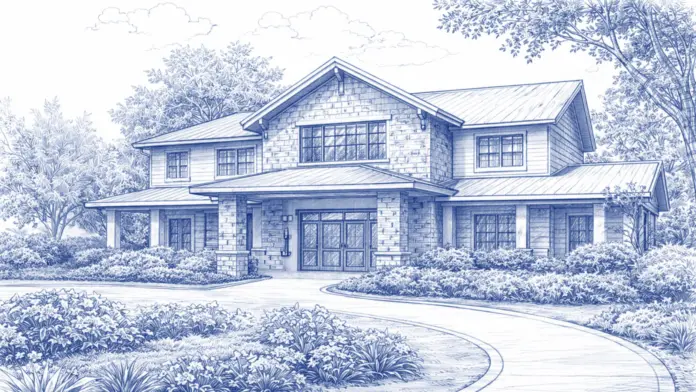
Addiction Recovery Care – Belle Grove Springs, located in Wallingford, Kentucky is a private alcohol and drug rehab that offers treatment for a variety of substance abuse addictions including alcoholism. They offer residential care providing long term support for addiction recovery, as well as flexible outpatient addiction therapy allowing patients to live at home while receiving regular treatment. Additional levels of care offered include relapse prevention and 12-step therapy.
Specialty rehab programs at Addiction Recovery Care – Belle Grove Springs include gender-specific addiction treatment addressing unique challenges faced by men.
The natural setting lets patients get immersed in nature to reduce stress and begin their healing process in a holistic manner. For recreation, patients can connect with nature and improve fitness with nearby hiking trails.
Addiction Recovery Care – Belle Grove Springs has received accreditations from CARF.
Facility Overview
 15
15 Number of Available Beds
 $280
$280 Avg Cost per Day
Latest Reviews
My brother was there , was a great place
Thank you for taking the time to leave us a review. We are so glad your brother had the opportunity to come to BGS! We pray his recovery journey continues to go well!
Response from the owner1 day ago
Hello Missy!Thank you for taking the time to leave us a review. We are so glad your brother had the opportunity to come to BGS! We pray his recovery journey continues to go well!
(edited to add 1 year sober tomorrow! cant thank everyone enough for getting me where i am!)
Drank for 20 years before coming here. Im six months sober now not even one beer. The setup and environment at belle grove are exactly what i needed.
Classes, employees even the other rehab people were awesome. If you are having issues this is your place! Just go, they take care of the rest.
Again, thank you for taking time out of your day! Keep up the great work!
Response from the owner1 day ago
We are so grateful for your kind words and even more grateful that you had such a great experience. Thanks for sharing your review with us and the community.Again, thank you for taking time out of your day! Keep up the great work!
Great place with awesome staff. They really helped a friend who was struggling. Beautiful scenery also.
Thank you for leaving us such a wonderful review. We are thrilled that your friend got the help they needed and had a great experience; our staff will definitely be happy to read what you wrote. We put client care, experience and satisfaction as our priority, and your review reaffirms the hard work we put in every day. Keep up the great work!
Response from the owner1 day ago
Dear Loretta,Thank you for leaving us such a wonderful review. We are thrilled that your friend got the help they needed and had a great experience; our staff will definitely be happy to read what you wrote. We put client care, experience and satisfaction as our priority, and your review reaffirms the hard work we put in every day. Keep up the great work!

Rehab Score
 Our Methodology
Scoring is assigned by a proprietary system which helps surface key metrics that determine quality. The 10-point scale factors in categories such as operations, customer satisfaction, and trust metrics. Read Full Methodology

7.1 / 10
Gallery
Accepted Insurance
Other Forms of Payment
Self-pay involves paying for treatment out of your own pocket. You can use savings or credit, get a personal loan, or receive help from family and friends to fund your treatment. If you don't have insurance or your insurance plan doesn't cover a specific program, self-pay can help ensure you still get the care you need.
Medicaid is a state based program that helps lower-income individuals and families pay for healthcare. Medicaid covers addiction treatment so those enrolled can use their coverage to pay for rehab. When a program accepts Medicaid the client often pays very little or nothing out of their own pocket.
Addiction Treatments
Levels of Care
Outpatient Programs (OP) are for those seeking mental rehab or drug rehab, but who also stay at home every night. The main difference between outpatient treatment (OP) and intensive outpatient treatment (IOP) lies in the amount of hours the patient spends at the facility. Most of the time an outpatient program is designed for someone who has completed an inpatient stay and is looking to continue their growth in recovery. Outpatient is not meant to be the starting point, it is commonly referred to as aftercare.
Residential treatment programs are those that offer housing and meals in addition to substance abuse treatment. Rehab facilities that offer residential treatment allow patients to focus solely on recovery, in an environment totally separate from their lives. Some rehab centers specialize in short-term residential treatment (a few days to a week or two), while others solely provide treatment on a long-term basis (several weeks to months). Some offer both, and tailor treatment to the patient's individual requirements. Belle Grove Springs residential program is abstinence-based treatment. Residents are screened weekly for drugs, alcohol and nicotine.
12-step programs are addiction recovery models based on Alcoholics Anonymous (AA). A number of substance abuse programs (including some drug and alcohol rehab centers) use the 12 steps as a basis for treatment. Beginning steps involve admitting powerlessness over the addiction and creating a spiritual basis for recovery. Middle steps including making direct amends to those who've been hurt by the addiction, and the final step is to assist others in addiction recovery in the same way. 12-Step offshoots including Narcotics Anonymous (NA), Cocaine Anonymous (CA), Dual Recovery Anonymous (DRA), Sex and Love Addicts Anonymous (SLAA) and Gamblers Anonymous (GA).
Completing a drug or alcohol rehab program shouldn't spell the end of substance abuse treatment. Aftercare involves making a sustainable plan for recovery, including ongoing support. This can include sober living arrangements like halfway houses, career counseling, and setting a patient up with community programs like Alcoholics Anonymous (AA) or Narcotics Anonymous (NA).
Treatments
The goal of treatment for alcoholism is abstinence. Those with poor social support, poor motivation, or psychiatric disorders tend to relapse within a few years of treatment. For these people, success is measured by longer periods of abstinence, reduced use of alcohol, better health, and improved social functioning. Recovery and Maintenance are usually based on 12 step programs and AA meetings.
Drug rehab in Kentucky often starts with detox, then includes inpatient or outpatient treatment, and continues with aftercare support. Specific methods used during each of these phases varies, but often include individual and group counseling, medication, and recreational therapies.
Substance rehabs focus on helping individuals recover from substance abuse, including alcohol and drug addiction (both illegal and prescription drugs). They often include the opportunity to engage in both individual as well as group therapy.
Programs
Adult rehab programs include therapies tailored to each client's specific needs, goals, and recovery progress. They are tailored to the specific challenges adult clients may face, including family and work pressures and commitments. From inpatient and residential treatment to various levels of outpatient services, there are many options available. Some facilities also help adults work through co-occurring conditions, like anxiety, that can accompany addiction.
Young adulthood can be an exciting, yet difficult, time of transition. Individuals in their late teens to mid-20s face unique stressors related to school, jobs, families, and social circles, which can lead to a rise in substance use. Rehab centers with dedicated young adult programs will include activities and amenities that cater to this age group, with an emphasis on specialized counseling, peer socialization, and ongoing aftercare.
Clinical Services
Experiential therapy is a form of therapy in which clients are encouraged to surface and work through subconscious issues by engaging in real-time experiences. Experiential therapy departs from traditional talk therapy by involving the body, and having clients engage in activities, movements, and physical and emotional expression. This can involve role-play or using props (which can include other people). Experiential therapy can help people process trauma, memories, and emotion quickly, deeply, and in a lasting fashion, leading to substantial and impactful healing.
Research clearly demonstrates that recovery is far more successful and sustainable when loved ones like family members participate in rehab and substance abuse treatment. Genetic factors may be at play when it comes to drug and alcohol addiction, as well as mental health issues. Family dynamics often play a critical role in addiction triggers, and if properly educated, family members can be a strong source of support when it comes to rehabilitation. They set aside every Saturday as family day. This is a time when the family and loved ones can come visit and attend counseling sessions with the patient (family counseling sessions must be scheduled ahead of time).
Group therapy is any therapeutic work that happens in a group (not one-on-one). There are a number of different group therapy modalities, including support groups, experiential therapy, psycho-education, and more. Group therapy involves treatment as well as processing interaction between group members.
In individual therapy, a patient meets one-on-one with a trained psychologist or counselor. Therapy is a pivotal part of effective substance abuse treatment, as it often covers root causes of addiction, including challenges faced by the patient in their social, family, and work/school life.
Practicing life skills while in recovery is beneficial to success post-treatment. When residents practice these skills, they are given the opportunity to work on employment skills, financial responsibility, time management, physical health, recreation, community service, communication, healthy diet, hygiene, household management, cooking and cleaning.
Amenities
-
 Private Setting
 -
 Lakeside
 -
 Hiking
Staff & Accreditations
Staff
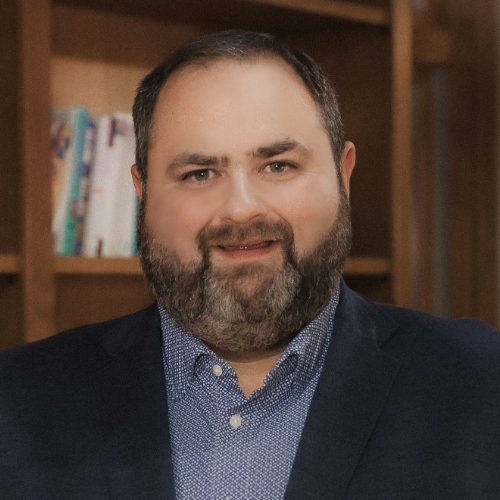
Tim Robinson
Founder & CEO
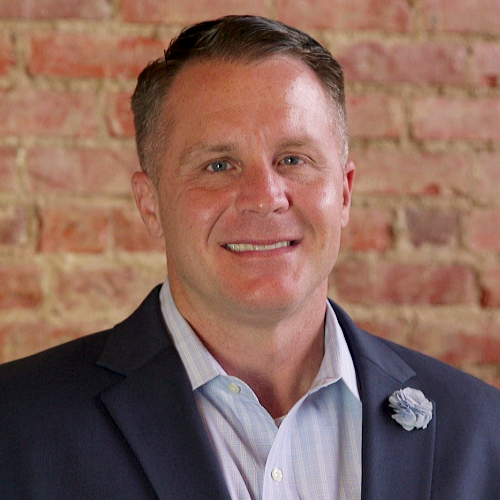
Pat Fogarty
COO & General Manager of Behavioral Health
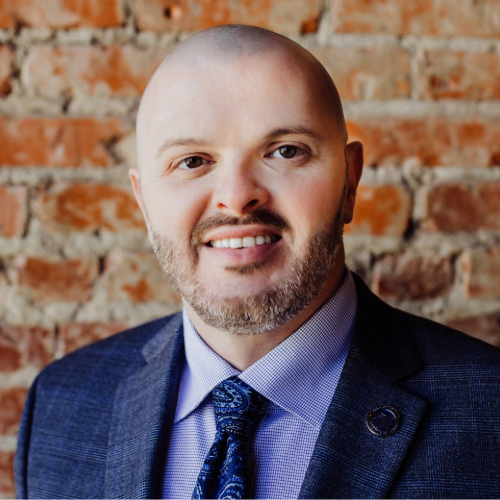
Matt Brown
President of ARC Healthcare & Chief Administration Officer
Accreditations

The Commission on Accreditation of Rehabilitation Facilities (CARF) is a non-profit organization that specifically accredits rehab organizations. Founded in 1966, CARF's, mission is to help service providers like rehab facilities maintain high standards of care.
CARF Accreditation: Yes
Accreditation Number: 262475
Rehab.com regularly reviews this listing for accuracy but changes may occur between updates. For the most up-to-date information, please contact Addiction Recovery Care – Belle Grove Springs.
Contact Information

Stockton Road
Wallingford, KY 41093
Get Help Now - 606-257-4949
Sponsored Helpline
Sponsored Helpline


