





























































































About Alpine Counseling Center
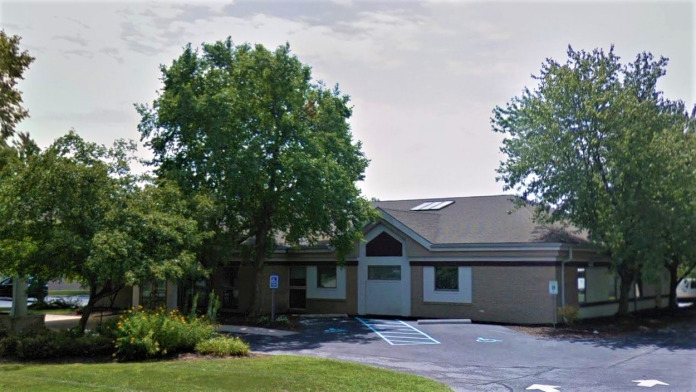
Alpine Counseling Center is an outpatient drug and alcohol rehab in Lafayette, Indiana, providing substance use treatment along with support for cooccurring mental health concerns.
Located at 3733 Rome Drive, the center offers outpatient services and medication supported recovery for adults.
Its approach combines evidence based therapies with medication assisted treatment to help clients build lasting recovery.
Outpatient Detox and Medication Supported Treatment
Care is delivered in an outpatient setting, with outpatient detoxification and medication supported treatment.
Clients may begin with an assessment to determine the most appropriate level of support for their substance use and any mental health needs.
Programs may include cognitive behavioral therapy (CBT), dialectical behavior therapy (DBT), motivational interviewing, relapse prevention and 12 step facilitation.
Medication assisted treatment options include buprenorphine, naltrexone/Vivitrol, acamprosate and disulfiram, along with dual diagnosis care for cooccurring disorders.
Quick Facts About Alpine Counseling Center
- Location: Rome Drive in Lafayette, Indiana, with in person outpatient services
- Levels of care: Outpatient treatment, outpatient detoxification and medication supported recovery
- Who they treat: Adults with some adolescent services, plus cooccurring disorders
- Approach: CBT, DBT, motivational interviewing, trauma related counseling and relapse prevention
- Medication options: Buprenorphine, naltrexone/Vivitrol, acamprosate and disulfiram
- Payment options: Accepts private insurance and self pay
Getting Started
To begin treatment at Alpine Counseling Center in Lafayette, Indiana, prospective clients can reach out to schedule an assessment and discuss their needs.
An intake team member can review available programs, medication supported options and payment methods, including private insurance and self pay.

Rehab Score
 Our Methodology


Gallery
Other Forms of Payment
Private insurance refers to any kind of healthcare coverage that isn't from the state or federal government. This includes individual and family plans offered by an employer or purchased from the Insurance Marketplace. Every plan will have different requirements and out of pocket costs so be sure to get the full details before you start treatment.
Self-pay involves paying for treatment out of your own pocket. You can use savings or credit, get a personal loan, or receive help from family and friends to fund your treatment. If you don't have insurance or your insurance plan doesn't cover a specific program, self-pay can help ensure you still get the care you need.
Addiction Treatments
Levels of Care
Outpatient Programs (OP) are for those seeking mental rehab or drug rehab, but who also stay at home every night. The main difference between outpatient treatment (OP) and intensive outpatient treatment (IOP) lies in the amount of hours the patient spends at the facility. Most of the time an outpatient program is designed for someone who has completed an inpatient stay and is looking to continue their growth in recovery. Outpatient is not meant to be the starting point, it is commonly referred to as aftercare.
Drug and alcohol addiction often takes a heavy toll on one's body. Over time, a physical dependence can develop, meaning the body physiologically needs the substance to function. Detox is the process of removing drugs and/or alcohol from the body, a process that can be lethal if mismanaged. Medical detox is done by licensed medical professionals who monitor vital signs and keep you safe, healthy, and as comfortable as possible as you go through detox and withdrawal.
Treatments
The goal of treatment for alcoholism is abstinence. Those with poor social support, poor motivation, or psychiatric disorders tend to relapse within a few years of treatment. For these people, success is measured by longer periods of abstinence, reduced use of alcohol, better health, and improved social functioning. Recovery and Maintenance are usually based on 12 step programs and AA meetings.
For long-term recovery from drug addiction, drug rehab in Indiana is often key. This treatment gives individuals who are struggling with a substance use disorder the tools to manage their disorder and achieve long-term sobriety.
Opioid rehabs specialize in supporting those recovering from opioid addiction. They treat those suffering from addiction to illegal opioids like heroin, as well as prescription drugs like oxycodone. These centers typically combine both physical as well as mental and emotional support to help stop addiction. Physical support often includes medical detox and subsequent medical support (including medication), and mental support includes in-depth therapy to address the underlying causes of addiction.
Substance rehabs focus on helping individuals recover from substance abuse, including alcohol and drug addiction (both illegal and prescription drugs). They often include the opportunity to engage in both individual as well as group therapy.
Programs
Adult rehab programs include therapies tailored to each client's specific needs, goals, and recovery progress. They are tailored to the specific challenges adult clients may face, including family and work pressures and commitments. From inpatient and residential treatment to various levels of outpatient services, there are many options available. Some facilities also help adults work through co-occurring conditions, like anxiety, that can accompany addiction.
Clinical Services
Group therapy is any therapeutic work that happens in a group (not one-on-one). There are a number of different group therapy modalities, including support groups, experiential therapy, psycho-education, and more. Group therapy involves treatment as well as processing interaction between group members.
Rehab.com regularly reviews this listing for accuracy but changes may occur between updates. For the most up-to-date information, please contact Alpine Counseling Center.
Contact Information


3733 Rome Drive
Lafayette, IN 47905
Sponsored Helpline


