










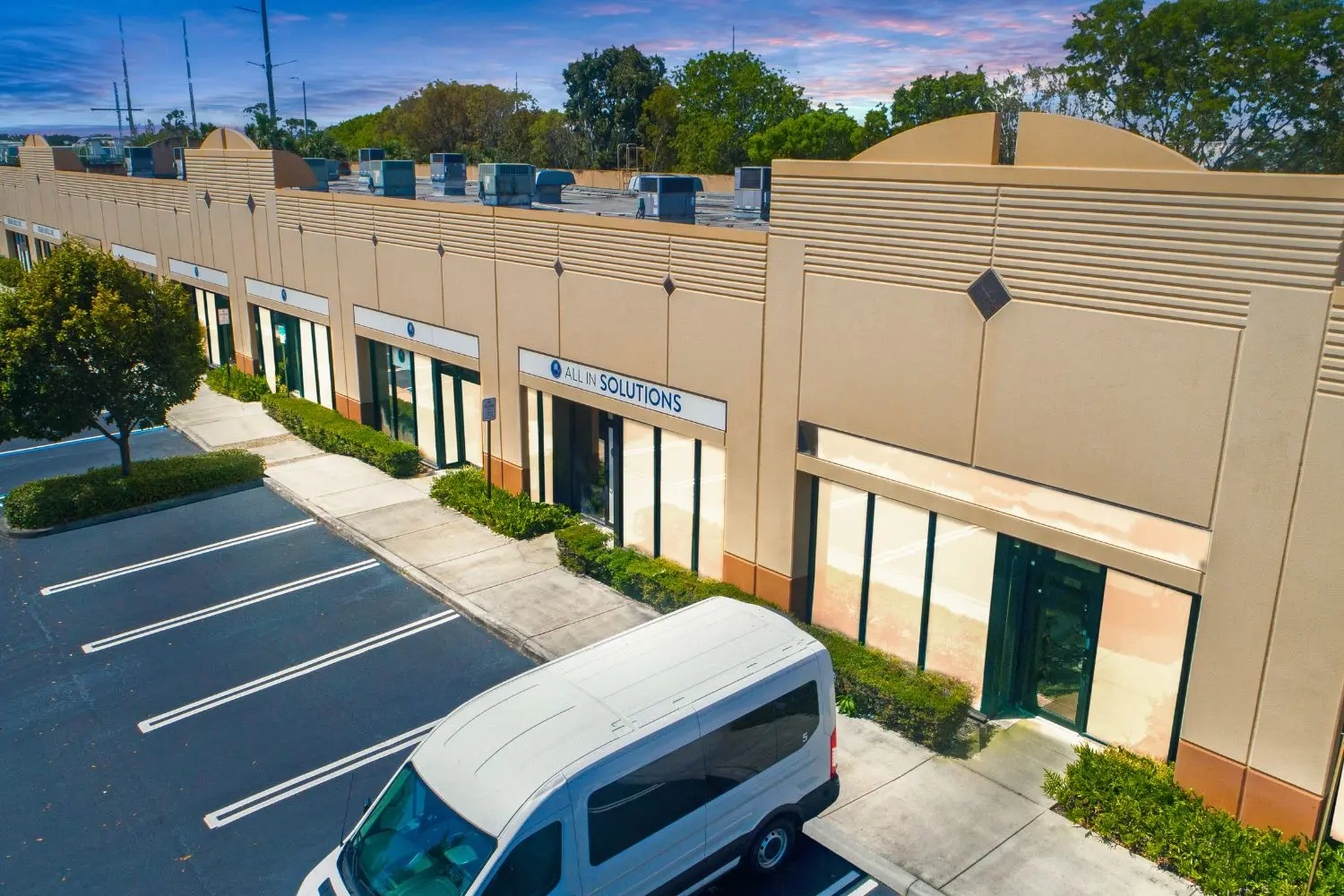
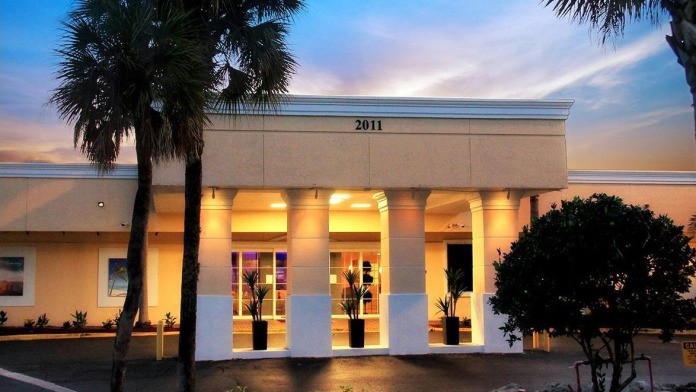
All In Solutions Counseling Center
1
Top 10 Rehab Centers In Boynton Beach



















































































This facility is permanently closed.
Use the help line to find alternative treatment options.

 Teen Programs
 Teen rehab programs address peer pressure, family dynamics, and age specific relapse risks.
Read More
 Veterans
 Veteran rehab addresses trauma, reintegration, and co-occurring mental health issues.
Read More
 Faith Based
 Faith-based rehab with shared values can increase motivation and improve recovery outcomes.
Read More
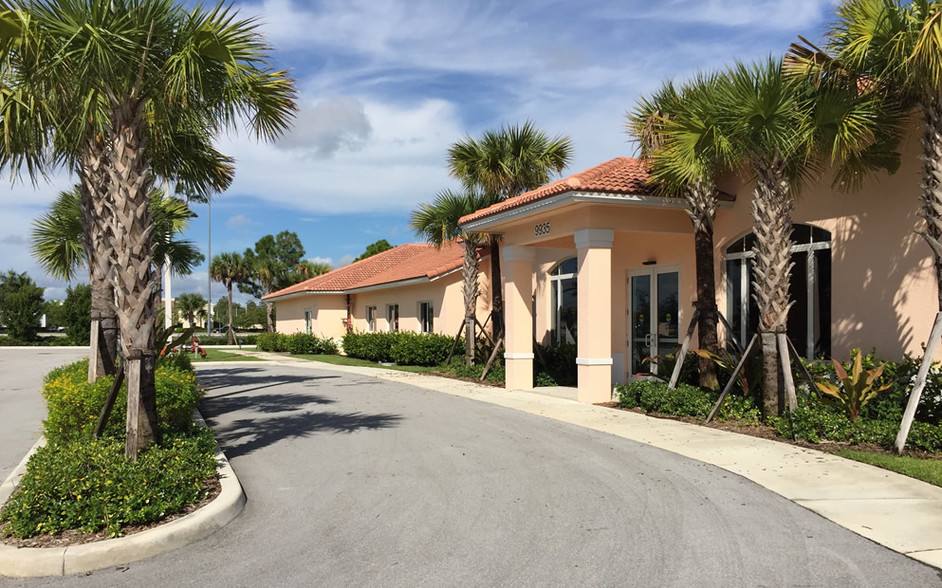
Alternatives in Treatment, in West Palm Beach, Florida, is an integrative, 12 step focused addiction recovery center for adults. They provide medically supervised detox and inpatient, outpatient, and aftercare services. Specialized programs for persons with co-occurring mental health disorders, young adults, and LGBTQ+ persons are available.
Clients in the detox program receive round the clock medical supervision and may be prescribed FDA approved medications to ease withdrawal symptoms and prevent potentially dangerous medical complications.
The inpatient program at Alternatives in Treatment allows clients to focus on their recovery in a secluded, resort like setting on eight acres and featuring premium amenities, including private rooms and a swimming pool. While in inpatient care, clients participate in intensive individual, group, and family counseling as well as recovery-focused life skills training, including courses in coping, self-care, wellness, stress and anger management, trauma recovery, and relapse prevention. Their personalized treatment plans include evidence-based complementary therapies, including experiential and exercise therapy.
The outpatient and aftercare programs at Alternatives in Treatment promote long-term sobriety through a robust continuum of care aligned with clients’ evolving needs. Levels of care include intensive outpatient (IOP), outpatient, and aftercare services emphasizing successful workforce, family, and community reintegration. Peer coaching, 12 step program induction, career counseling, and medical, mental health, and social services referrals are available.
Alternatives in Treatment is accredited by CARF, the Joint Commission, and NAATP. They accept self-pay and private insurance.

 Our Methodology


 Monthly
Private insurance refers to any kind of healthcare coverage that isn't from the state or federal government. This includes individual and family plans offered by an employer or purchased from the Insurance Marketplace. Every plan will have different requirements and out of pocket costs so be sure to get the full details before you start treatment.
Self-pay involves paying for treatment out of your own pocket. You can use savings or credit, get a personal loan, or receive help from family and friends to fund your treatment. If you don't have insurance or your insurance plan doesn't cover a specific program, self-pay can help ensure you still get the care you need.
Private insurance refers to any kind of healthcare coverage that isn't from the state or federal government. This includes individual and family plans offered by an employer or purchased from the Insurance Marketplace. Every plan will have different requirements and out of pocket costs so be sure to get the full details before you start treatment.
Outpatient Programs (OP) are for those seeking mental rehab or drug rehab, but who also stay at home every night. The main difference between outpatient treatment (OP) and intensive outpatient treatment (IOP) lies in the amount of hours the patient spends at the facility. Most of the time an outpatient program is designed for someone who has completed an inpatient stay and is looking to continue their growth in recovery. Outpatient is not meant to be the starting point, it is commonly referred to as aftercare.
Drug and alcohol addiction often takes a heavy toll on one's body. Over time, a physical dependence can develop, meaning the body physiologically needs the substance to function. Detox is the process of removing drugs and/or alcohol from the body, a process that can be lethal if mismanaged. Medical detox is done by licensed medical professionals who monitor vital signs and keep you safe, healthy, and as comfortable as possible as you go through detox and withdrawal.
The intensive outpatient treatment program is a treatment solution that allows the patient to live his/her daily life, but still obtain treatment to fight against an addiction. In IOP, they meet approximately three times a week for about eight weeks with a primary therapist. Each treatment session lasts about three hours, during which time they will obtain basic treatment and review their goals and treatment plan. The duration of the treatment plan can vary depending on their own needs.
At certain points in the recovery process, it's important to have support available 24/7. 24-hour clinical care offers a safe environment in which to recover from drug or alcohol addiction in peace, knowing medical detox and other treatment will happen with professionals on hand.
12-step programs are addiction recovery models based on Alcoholics Anonymous (AA). A number of substance abuse programs (including some drug and alcohol rehab centers) use the 12 steps as a basis for treatment. Beginning steps involve admitting powerlessness over the addiction and creating a spiritual basis for recovery. Middle steps including making direct amends to those who've been hurt by the addiction, and the final step is to assist others in addiction recovery in the same way. 12-Step offshoots including Narcotics Anonymous (NA), Cocaine Anonymous (CA), Dual Recovery Anonymous (DRA), Sex and Love Addicts Anonymous (SLAA) and Gamblers Anonymous (GA).
Residential treatment programs are those that offer housing and meals in addition to substance abuse treatment. Rehab facilities that offer residential treatment allow patients to focus solely on recovery, in an environment totally separate from their lives. Some rehab centers specialize in short-term residential treatment (a few days to a week or two), while others solely provide treatment on a long-term basis (several weeks to months). Some offer both, and tailor treatment to the patient's individual requirements.
Often referred to as "day treatment," a partial hospitalization program (PHP) offers an intensive treatment option that allows individuals to return home at night. PHP treatment typically requires a minimum of 20 hours a week for an average of 90 days. Participants attend daily therapeutic sessions, receive medication management, and have access to skilled medical professionals. While costs can vary, most insurance will fully or partially cover a partial hospitalization program.
Many of those suffering from addiction also suffer from mental or emotional illnesses like schizophrenia, bipolar disorder, depression, or anxiety disorders. Rehab and other substance abuse facilities treating those with a dual diagnosis or co-occurring disorder administer psychiatric treatment to address the person's mental health issue in addition to drug and alcohol rehabilitation.
A combined mental health and substance abuse rehab has the staff and resources available to handle individuals with both mental health and substance abuse issues. It can be challenging to determine where a specific symptom stems from (a mental health issue or an issue related to substance abuse), so mental health and substance abuse professionals are helpful in detangling symptoms and keeping treatment on track.
When a person has alcohol use disorder (AUD), also referred to as alcoholism or alcohol addiction, they experience withdrawal symptoms when they stop drinking. This physical dependence results from overuse of alcohol, which may be used as a coping mechanism or escape. Individuals who have AUD can overcome the alcohol addiction through alcohol rehab in Florida. This treatment process involves essential therapy and supports to help the individual achieve and maintain recovery.
Drug rehab in Florida provides quality treatment to help individuals overcome dependency related to a wide range of addictive substances. Programs address both the physical and mental aspects of addiction in order to help you make a full recovery.
 Opioid Addiction
Adult rehab programs include therapies tailored to each client's specific needs, goals, and recovery progress. They are tailored to the specific challenges adult clients may face, including family and work pressures and commitments. From inpatient and residential treatment to various levels of outpatient services, there are many options available. Some facilities also help adults work through co-occurring conditions, like anxiety, that can accompany addiction.
Recovery is most successful when clients feel accepted and validated by their peers and treatment providers. Facilities that offer LGBTQ-inclusive programming are committed to creating a safe space where everyone can grow and recover without fear of judgment or discrimination. They will have dedicated policies in place to create a safe and supportive environment that fosters free expression.
Young adulthood can be an exciting, yet difficult, time of transition. Individuals in their late teens to mid-20s face unique stressors related to school, jobs, families, and social circles, which can lead to a rise in substance use. Rehab centers with dedicated young adult programs will include activities and amenities that cater to this age group, with an emphasis on specialized counseling, peer socialization, and ongoing aftercare.
Experiential therapy is a form of therapy in which clients are encouraged to surface and work through subconscious issues by engaging in real-time experiences. Experiential therapy departs from traditional talk therapy by involving the body, and having clients engage in activities, movements, and physical and emotional expression. This can involve role-play or using props (which can include other people). Experiential therapy can help people process trauma, memories, and emotion quickly, deeply, and in a lasting fashion, leading to substantial and impactful healing.
Group therapy is any therapeutic work that happens in a group (not one-on-one). There are a number of different group therapy modalities, including support groups, experiential therapy, psycho-education, and more. Group therapy involves treatment as well as processing interaction between group members.
In individual therapy, a patient meets one-on-one with a trained psychologist or counselor. Therapy is a pivotal part of effective substance abuse treatment, as it often covers root causes of addiction, including challenges faced by the patient in their social, family, and work/school life.
 Private Setting
  Private Rooms
The Commission on Accreditation of Rehabilitation Facilities (CARF) is a non-profit organization that specifically accredits rehab organizations. Founded in 1966, CARF's, mission is to help service providers like rehab facilities maintain high standards of care.
CARF Accreditation: Yes

The Joint Commission, formerly known as JCAHO, is a nonprofit organization that accredits rehab organizations and programs. Founded in 1951, the Joint Commision's mission is to improve the quality of patient care and demonstrating the quality of patient care.
Joint Commission Accreditation: Yes

The National Association of Addiction Treatment Providers (NAATP) is a professional association that represents organizations in the field of addiction services. Founded in 1978, NAATP's mission is to advance addiction services and ensure that high-quality addiction treatment is available and accessible.
NAATP Member: Yes
Rehab.com regularly reviews this listing for accuracy but changes may occur between updates. For the most up-to-date information, please contact Alternatives in Treatment.

Review from Glenn Edward McKennie Jr

The therapists there were incredible, especially Shevon he’s amazing. Jennifer the case manager handled everything amazingly. Could use some more structure there but the community is everything and I don’t regret coming here at all!


I feel led to leave a review because I’ll have 6 years sober in recovery this coming fall and my life has just completely changed since. If you don’t read anything else, read this: you have to want to get sober to stay sober and considering it was my 1st time dealing with addiction and getting sober, I very much so wanted to get & stay clean. It’s a very nice & clean facility and had mostly supportive staff. I was here during Covid, 19 years old, so it was definitely a unique experience… not a lot of trips out besides groceries, and I felt very trapped and at times discouraged while in there. I’m sure that’s changed now that interaction restrictions have lifted. They repetitively said “statistically only one of you in this room will stay sober” - I was determined to make that me. Proud to say it has been me and I’ve stayed in touch with a handful of people, one of whom has also remained sober (beating the odds, go us). While at Wellness I did extensive trauma therapy (EMDR, CBT) and met with a dietician for my ED, which all helped a lot. After my 110+ days here, I entered a DBT program with a local therapist which only progressed my improvement. I stayed at Roseway Halfway for several months before moving out (female only, highly recommend Megan’s houses as well). I’m back in school for nursing and no one can believe I had a past addiction. Don’t get me wrong, it was not all sunshine and rainbows. Most days were extremely hard and very emotional. In PHP I was allowed a 15 min phone call from the landline and there was always a line. In IOP I got an hour, sometimes two, of screen time on my personal cell a day. I won’t lie, some days it felt like I was making no progress. It’s hard when many people are negative. It’s like a job. 8am-5pm therapies with a few breaks in between. I knew that being there and being sober was progress even if I didn’t feel it. I became happier upon entering halfway but I got the basics down here. More about my stay… There were people from 18-65 years old ranging from issues with addiction to eating disorders to mental health. You learn to gain independence responsibly while still being monitored. You get to shop for your own groceries and cook for yourself. I was given a $75/week grocery allowance per person and was allowed to combine with roommates. Do your own laundry. Group and individual therapy holds you accountable. Most of the fellow patients were very friendly and supportive. I know I wasn’t the easiest patient to have but ultimately I have to be thankful for the opportunity I was given because I’m so grateful for where I’m at now. I no longer take any medicine I was prescribed upon admittance nor receive extensive therapy and I’m happily flourishing. I’m taking off a star because at the time of my stay some of the vans were outdated and seatbelts didn’t work. I believe they replaced them. Also, some of the staff (like 2 people) seemed very miserable to be there and were rude. Everyone else was kind and positive. I do wish they were more encouraging about us staying sober but ultimately they were not inaccurate with the stats - and if they hadn’t been so blunt, I don’t know if that’s something I would have strived to achieve so hard. I’ve heard horror stories and success stories but overall I would trust Wellness with yourself or your loved one. Not every patient wants to be there or stay sober which I can tell some of the bad reviews stem from. They can’t keep you chained down and sometimes things happen. Like I said you have to want it. You can’t let other people get in the way of your sobriety. But it’s really not a poor facility at all - or at least wasn’t when I attended. That’s just my experience. While attending I never thought I would say this but I’m grateful for Wellness.
 Back
Back
Sharing your insights and experiences can help others learn more about this rehab center.
 Written By: Terri Beth Miller
PhD Author, Award-Winning Post-Secondary Teacher
Written By: Terri Beth Miller
PhD Author, Award-Winning Post-Secondary Teacher
 LGBTQ+