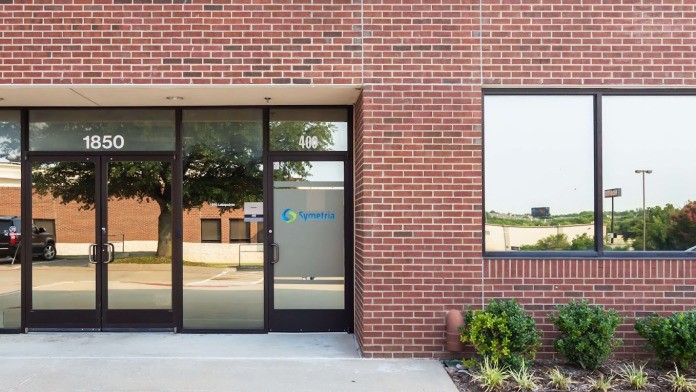
Symetria — Hurst Outpatient Rehab & Suboxone Clinic
1
Top 10 Rehab Centers In Hurst




































































































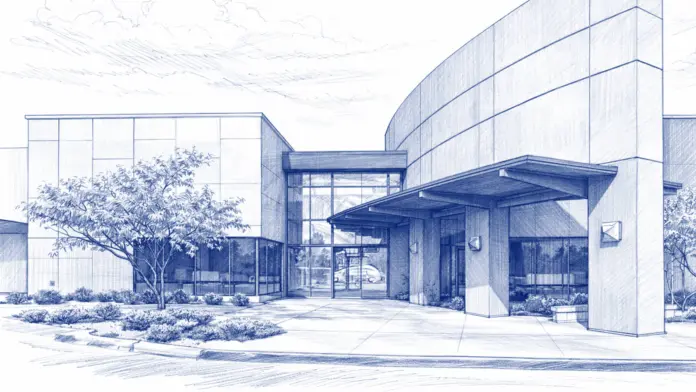
Amigos & Associates Education & Counseling is an outpatient drug and alcohol rehab in Irving, Texas offering substance use treatment and court approved education programs.
With bilingual offerings and a focus on justice involved clients Amigos & Associates delivers accessible community centered care.
Treatment often begins with an alcohol and drug evaluation which is completed as a walk-in process. Clients may be placed into an intensive outpatient program or a supportive outpatient program, both currently offered in a virtual format to fit client needs.
Clients can expect structured group counseling sessions with regular weekly attendance requirements along with specialized education classes such as anger management, marijuana intervention, and theft intervention.
Programs are available in both English and Spanish to support diverse populations.


 Our Methodology


Financial aid can take many forms. Centers may have grants or scholarships available to clients who meet eligibility requirements. Programs that receive SAMHSA grants may have financial aid available for those who need treatment as well. Grants and scholarships can help you pai for treatment without having to repay.
Self-pay involves paying for treatment out of your own pocket. You can use savings or credit, get a personal loan, or receive help from family and friends to fund your treatment. If you don't have insurance or your insurance plan doesn't cover a specific program, self-pay can help ensure you still get the care you need.
Intensive outpatient programs offer high-level care for clients as an increased risk of relapse, including those in early recovery, those with a strong history of relapse, and those experiencing a crisis. Intensive outpatient treatment typically requires clients to engage in nine to 20 hours of care weekly, with treatment modalities that combine psychotherapy and recovery education, and holistic therapies, such as acupuncture and animal therapy. Medication assisted treatment (MAT) is also common in alcohol and/or opioid recovery.
After completing some form of inpatient care, many clients transition or step down to an outpatient rehab, while some choose to transition from detox directly into outpatient care. High-intensity outpatient programming, including partial hospitalization (PHP) and intensive outpatient (IOP) is widely available for clients in early recovery, those leaving detox, and those at an elevated relapse risk. Clients in outpatient care generally engage in robust addiction counseling and recovery education, and some also receive medication assisted treatment (MAT).
Alcoholism occurs when a person becomes physically and psychologically dependent on alcohol. Attending a professional alcohol rehab in Texas can provide customized intervention methods to address the physical, mental, and relational challenges of addiction.
 Opioid Addiction
During rehab in Texas, you'll deal with underlying issues that contribute to addiction. By addressing these challenges and learning healthy ways to cope with them, you'll develop strategies that help you live a drug-free lifestyle.
Substance abuse treatment is available in Texas for anyone who's struggling with drug or alcohol addiction. These programs usually provide a comprehensive assessment and individualized treatment plan, and include evidence-based treatments, like therapies such as cognitive-behavioral therapy (CBT) to reframe unhelpful coping strategies, and dialectical behavior therapy (DBT) to help with emotional regulation and stress.
With a co-occurring drug or alcohol addiction and a mental health disorder, you'll want to seek out a dual diagnosis treatment center. These specialized rehabs offer services to address both conditions at the same time, including 24/7 access to medical and mental health professionals. By treating both disorders at the same time, it drastically increases your chances of successful long-term recovery.
Texas's specialized dual-diagnosis addiction treatment programs prioritize comprehensive care for individuals with co-occurring substance use disorders and mental health conditions. These programs offer diverse levels of care, including outpatient, inpatient, and partial hospitalization options. Evidence-based therapies, trauma-informed care, group work, and educational workshops help treat both conditions at the same time and give you the tools to sustain mental health and sobriety.
Peer support is an important aspect of group therapy sessions for drug and alcohol addiction. As you and your peers share stories and encourage each other, it fosters a sense of community and belonging that helps you process your feelings and reduces the sense of isolation that is associated with addiction.

State Licenses are permits issued by government agencies that allow rehab organizations to conduct business legally within a certain geographical area. Typically, the kind of program a rehab facility offers, along with its physical location, determines which licenses are required to operate legally.
State License: Texas
Rehab.com regularly reviews this listing for accuracy but changes may occur between updates. For the most up-to-date information, please contact Amigos & Associates Educations.

2505 Texas Dr, Irving, TX 75062
Sponsored Helpline

This company is trash. I WILLINGLY decided to take an anger management class and chose them. I told my probation officer the classes weren’t helping and the instructor wasn’t teaching anything. One of the workers had the nerve to call me a liar and say they had a lot of good reviews. Yeah, maybe because people are being forced to take this class so they don’t actually care to have to learn anything. I’m not being forced, therefore I want to actually learn something and not be asked how my week went and how I’m feeling every week. This company is a scam.


I was referred to Dr. Sigalas by my dentist, Dr. Hirji, for a root canal retreatment. I was prepared for a lot of pain; however, there was no pain whatsoever through the procedure nor after the local anesthesia wore off. He did an excellent job and I would recommend him to anyone who needs a root canal done.
 Back
Back
Sharing your insights and experiences can help others learn more about this rehab center.