





























































































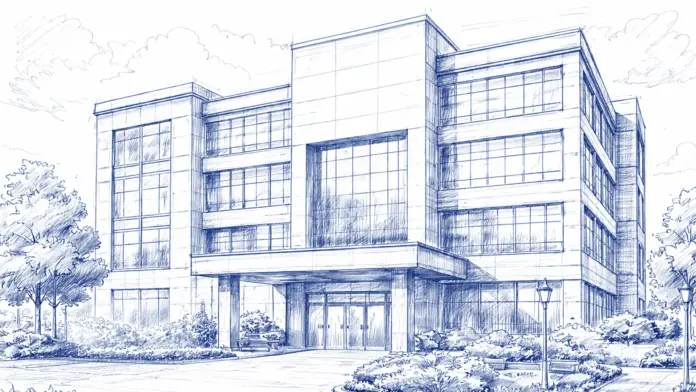
About Amity Medical Group
You will find Amity Medical Group on Charlotte Park Drive in Charlotte, North Carolina. They offer behavioral health services to treat co-occurring mental health issues and substance use disorders. They also offer core support services to address various other conditions.
Co-Occurring Mental Health Issues and SUD Treatment
I find it good to know that they offer counseling and therapy services including motivational interviewing, talk therapy and solution focused brief therapy. They also offer outpatient medication assisted treatment (MAT) when you are experiencing withdrawal symptoms from opioids, alcohol and tobacco addiction.
HIV Treatment For Clients Over 13 Years
They also offer HIV care and infectious disease treatment for clients aged 13 and older. They provide free HIV testing for eligible clients. They offer several forms of treatment as preventive medication and post exposure medication.
HIV Prevention and Treatment
I like that they also offer PEP, which is a post exposure medication that helps prevent the HIV infection when you’ve already been exposed. Lastly, they offer TasP as another form of preventive medication that helps prevent transmission.
Latest Reviews


Thank you so much for sharing your positive experience!

Rehab Score
 Our Methodology


Location
Accepted Insurance
Other Forms of Payment
Medicaid is a state based program that helps lower-income individuals and families pay for healthcare. Medicaid covers addiction treatment so those enrolled can use their coverage to pay for rehab. When a program accepts Medicaid the client often pays very little or nothing out of their own pocket.
Medicare is a federal program that provides health insurance for those 65 and older. It also serves people under 65 with chronic and disabling health challenges. To use Medicare for addiction treatment you need to find a program that accepts Medicare and is in network with your plan. Out of pocket costs and preauthorization requirements vary, so always check with your provider.
Private insurance refers to any kind of healthcare coverage that isn't from the state or federal government. This includes individual and family plans offered by an employer or purchased from the Insurance Marketplace. Every plan will have different requirements and out of pocket costs so be sure to get the full details before you start treatment.
Sliding scale payments are based on a client's income and family size. The goal is to make treatment affordable to everyone. By taking these factors into account, addiction recovery care providers help ensure that your treatment does not become a financial burden to you or your family, eliminating one barrier to care.
Addiction Treatments
Levels of Care
Clients who are exiting detox or stepping down from intensive inpatient care typically transition directly into outpatient treatment. Outpatient programs are designed to allow clients to either re-enter or remain in their communities while receiving robust, personalized care. Many facilities offer evening, night, or weekend services to accommodate clients' home and work schedules. The most common outpatient treatment modalities include psychotherapy, recovery-focused life skills training, and medication assisted treatment (MAT).
Clients receiving treatment at an inpatient rehab facility are typically in early recovery or are at heightened risk of relapse. Clients in inpatient care remain at the facility for the duration of their program, enabling them to focus solely on their recovery. Inpatient treatment typically involves extensive psychotherapy, often including group and family counseling as well as one-on-one sessions. Recovery-focused life skills education is another common service. Many rehabs also offer evidence-based holistic therapies.
Treatments
 Opioid Addiction
Alcohol use disorder, commonly called alcoholism, involves an inability to control the amount or frequency you drink and feeling withdrawal symptoms when you don't drink. Treatment for alcohol addiction may involve residential or outpatient alcohol rehab in North Carolina, counseling, or 12-step programs. Typically, some form of professional treatment and support is necessary to achieve long-term recovery.
Programs
HIV/AIDS programs support disease prevention and management in high-risk individuals in recovery. Individuals who engage in intravenous drug use and other addictive behaviors are at a higher risk of becoming infected with HIV. Rehab centers that specialize in treating this population typically have a high number of nurses, physicians, and psychiatrists on staff who can make sure both their medical and mental health needs are met.
Recovery is most successful when clients feel accepted and validated by their peers and treatment providers. Facilities that offer LGBTQ-inclusive programming are committed to creating a safe space where everyone can grow and recover without fear of judgment or discrimination. They will have dedicated policies in place to create a safe and supportive environment that fosters free expression.
Clinical Services
Clients who receive cognitive behavioral therapy in North Carolina typically attend five to 20 sessions. During this time, they work with their therapist to learn healthier patterns of thinking, which can help them change their behavior related to substance use.
Counseling that applies dialectical behavior therapy teaches you coping skills to apply to your daily life. The focus is on intense emotions and developing coping mechanisms to manage them. Therapy sessions are a series of teaching lessons that help you develop these coping skills.
Accreditations

The Substance Abuse and Mental Health Services Administration (SAMHSA) is a branch of the U.S. Department of Health and Human Services. Established in 1992 by congress, SAMHSA's mission is to reduce the impact of substance abuse and mental illness on American's communities.
SAMHSA Listed: Yes

State Licenses are permits issued by government agencies that allow rehab organizations to conduct business legally within a certain geographical area. Typically, the kind of program a rehab facility offers, along with its physical location, determines which licenses are required to operate legally.
State License: North Carolina
Rehab.com regularly reviews this listing for accuracy but changes may occur between updates. For the most up-to-date information, please contact Amity Medical Group.
Contact Information


4651 Charlotte Park Dr STE 100, Charlotte, NC 28217
Sponsored Helpline

