






























































































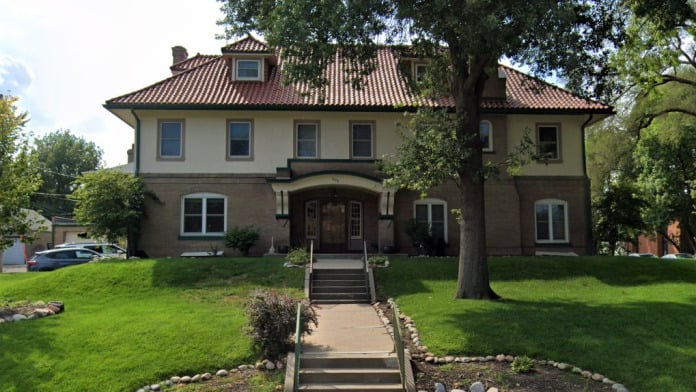
ARCH Halfway House is a great program to put into practice everything you have learned. In this place, I recovered the hope that I had lost. Arch taught me how to be a real man and a productive member of society, they have saved my life.
About ARCH Halfway House
They offer group therapy to create social support because it lets you talk about your experiences and hear other people’s viewpoints. You will also participate in weekly one one-on-one sessions that emphasize accountability and personal empowerment. Their scientifically supported therapeutic modalities which include motivational interviewing, behavioral therapies and interpersonal therapies are designed to detect and change maladaptive behaviors.
Volunteering or part-time work during your recovery process offers beneficial work experience that promotes self-worth and interdependence. You will take pride in your living environment while putting the knowledge, abilities and tactics you acquired at the center to use in practical situations. The center places a strong emphasis on accountability and residents participate in cooking, cleaning and yard work which improves their sense of ownership and aids in their recovery.
They customize their programs to fit your specific needs and foster a sense of safety and trust during your treatment. They assist you in starting a new life by emphasizing empowerment. An aftercare program will be available to you once you have finished the treatment protocol. With assistance from peers staff and alumni, this group meets twice a month to help you adjust to transitional living.
The alumni association’s ongoing connection provides sober support and fosters a sense of camaraderie as you support others in their recovery and share your own experiences. As a testament to their dedication to providing quality care the center has kept its CARF accreditation since 2016.
Facility Overview
 18
18 Number of Available Beds
 31 - 60
 Avg Length of Stay in Days
 $20
$20 Avg Cost per Day
Latest Reviews
It is the best decision I made in my life everything I needed,my sobriety,sanity,my true joy for living,provided to me by this entity,my family,the community are better off for it. If u surrender follow the suggestions they will meet u more than half the way, if u truly want a better life or u know someone who wants recovery this is the place,I can love, I'm employed,my attitude and relationships with other humans vastly improved,come live sober and come enjoy the journey of life
Effective treatment center with decades of successful alumni who help the residents succeed. Omaha is also a great place that has plenty of 2nd chance careers and affordable living. I refer anyone that is having a tough go at giving up the alcohol/drug addiction to here.
The staff does care very much about what they do

Rehab Score
 Our Methodology
Scoring is assigned by a proprietary system which helps surface key metrics that determine quality. The 10-point scale factors in categories such as operations, customer satisfaction, and trust metrics. Read Full Methodology

7.9 / 10
Gallery
Accepted Insurance
Other Forms of Payment
Self-pay involves paying for treatment out of your own pocket. You can use savings or credit, get a personal loan, or receive help from family and friends to fund your treatment. If you don't have insurance or your insurance plan doesn't cover a specific program, self-pay can help ensure you still get the care you need.
Sliding scale payments are based on a client's income and family size. The goal is to make treatment affordable to everyone. By taking these factors into account, addiction recovery care providers help ensure that your treatment does not become a financial burden to you or your family, eliminating one barrier to care.
Medicaid is a state based program that helps lower-income individuals and families pay for healthcare. Medicaid covers addiction treatment so those enrolled can use their coverage to pay for rehab. When a program accepts Medicaid the client often pays very little or nothing out of their own pocket.
Addiction Treatments
Levels of Care
Residential treatment programs are those that offer housing and meals in addition to substance abuse treatment. Rehab facilities that offer residential treatment allow patients to focus solely on recovery, in an environment totally separate from their lives. Some rehab centers specialize in short-term residential treatment (a few days to a week or two), while others solely provide treatment on a long-term basis (several weeks to months). Some offer both, and tailor treatment to the patient's individual requirements.
As a form of intensive rehab, a partial hospitalization program (PHP) provides treatment to those who don't require 24-hour care. PHP treatment serves as a short-term alternative to inpatient or step-down after a residential program. With a partial hospitalization program, you'll participate in 6-8 hours of support for up to 5 days a week. While commuting is necessary, some programs offer telehealth options for virtual participation. The duration of your PHP treatment depends on your needs, averaging 90 days.
Outpatient rehabs are often ideally suited for clients exiting intensive inpatient care, those who are medically stable, and those not at an elevated relapse risk. They also offer flexibility for clients who may be unable to leave their work or family to receive inpatient care. Many outpatient treatment centers provide a full suite of services, including recovery education, medication assisted treatment (MAT), and individual, group, and family counseling. Ancillary services, including peer coaching and vocational training, are widely available.
A sober living home in Nebraska offers an in-between place for recovery as individuals transition from inpatient care to home. Residents must pay rent and contribute to costs of living. Typically, insurance does not cover this housing expense. However, ongoing treatment received while living at a men's or women's sober living home, such as counseling or other outpatient treatment, may be covered.
Treatments
The goal of treatment for alcoholism is abstinence. Those with poor social support, poor motivation, or psychiatric disorders tend to relapse within a few years of treatment. For these people, success is measured by longer periods of abstinence, reduced use of alcohol, better health, and improved social functioning. Recovery and Maintenance are usually based on 12 step programs and AA meetings.
During drug rehab in Nebraska, you'll participate in therapies that address the many issues that contribute to addiction. Treatment includes physical, mental, emotional, and relational aspects. These methods provide the tools you need to achieve long-term recovery.
Opioid rehabs specialize in supporting those recovering from opioid addiction. They treat those suffering from addiction to illegal opioids like heroin, as well as prescription drugs like oxycodone. These centers typically combine both physical as well as mental and emotional support to help stop addiction. Physical support often includes medical detox and subsequent medical support (including medication), and mental support includes in-depth therapy to address the underlying causes of addiction.
Substance rehabs focus on helping individuals recover from substance abuse, including alcohol and drug addiction (both illegal and prescription drugs). They often include the opportunity to engage in both individual as well as group therapy.
Programs
Adult rehab programs include therapies tailored to each client's specific needs, goals, and recovery progress. They are tailored to the specific challenges adult clients may face, including family and work pressures and commitments. From inpatient and residential treatment to various levels of outpatient services, there are many options available. Some facilities also help adults work through co-occurring conditions, like anxiety, that can accompany addiction.
Clinical Services
Experiential therapy is a form of therapy in which clients are encouraged to surface and work through subconscious issues by engaging in real-time experiences. Experiential therapy departs from traditional “talk therapy” by involving the body, and having clients engage in activities, movements, and physical and emotional expression. This can involve role-play or using props (which can include other people). Experiential therapy can help people process trauma, memories, and emotion quickly, deeply, and in a lasting fashion, leading to substantial and impactful healing.
Research clearly demonstrates that recovery is far more successful and sustainable when loved ones like family members participate in rehab and substance abuse treatment. Genetic factors may be at play when it comes to drug and alcohol addiction, as well as mental health issues. Family dynamics often play a critical role in addiction triggers, and if properly educated, family members can be a strong source of support when it comes to rehabilitation.
Group therapy is any therapeutic work that happens in a group (not one-on-one). There are a number of different group therapy modalities, including support groups, experiential therapy, psycho-education, and more. Group therapy involves treatment as well as processing interaction between group members. The ARCH Halfway House runs peer evaluations and peer driven groups such as Phase Group, Cares & Concerns, and Group Conscience.
In individual therapy, a patient meets one-on-one with a trained psychologist or counselor. Therapy is a pivotal part of effective substance abuse treatment, as it often covers root causes of addiction, including challenges faced by the patient in their social, family, and work/school life.
Life skills trainings involve all the skills a person must have in order to function successfully in the world. These include time management, career guidance, money management, and effective communication. Truly successful addiction recovery is based on the ability to not only live substance-free, but to thrive. Life skills teaches the practical necessities of functioning in society, which sets clients up for success in life, and therefore sobriety. The ARCH Halfway House helps in the development of life skills like cleanliness, hygiene, timeliness, communication, using support groups.
Trauma therapy addresses traumatic incidents from a client's past that are likely affecting their present-day experience. Trauma is often one of the primary triggers and potential causes of addiction, and can stem from child sexual abuse, domestic violence, having a parent with a mental illness, losing one or both parents at a young age, teenage or adult sexual assault, or any number of other factors. The purpose of trauma therapy is to allow a patient to process trauma and move through and past it, with the help of trained and compassionate mental health professionals.
Cognitive behavioral therapy in Nebraska is often the preferred method of treatment for substance use. In just a few sessions, clients can learn how to identify challenges and start to develop healthy coping methods to manage them.
Often used to address addiction in Nebraska, motivational interviewing helps you become motivated to change. Research shows this method is effective for clients who are unprepared for change or feel unmotivated to change.
Amenities
-
 Residential Setting
 -
 Private Setting
Accreditations

The Commission on Accreditation of Rehabilitation Facilities (CARF) is a non-profit organization that specifically accredits rehab organizations. Founded in 1966, CARF's, mission is to help service providers like rehab facilities maintain high standards of care.
CARF Accreditation: Yes

State Licenses are permits issued by government agencies that allow rehab organizations to conduct business legally within a certain geographical area. Typically, the kind of program a rehab facility offers, along with its physical location, determines which licenses are required to operate legally.
State License: Nebraska
Rehab.com regularly reviews this listing for accuracy but changes may occur between updates. For the most up-to-date information, please contact ARCH Halfway House.
Contact Information

604 South 37th Street
Omaha, NE 68105
Get Help Now - 402-230-7969
Sponsored Helpline
Sponsored Helpline



