










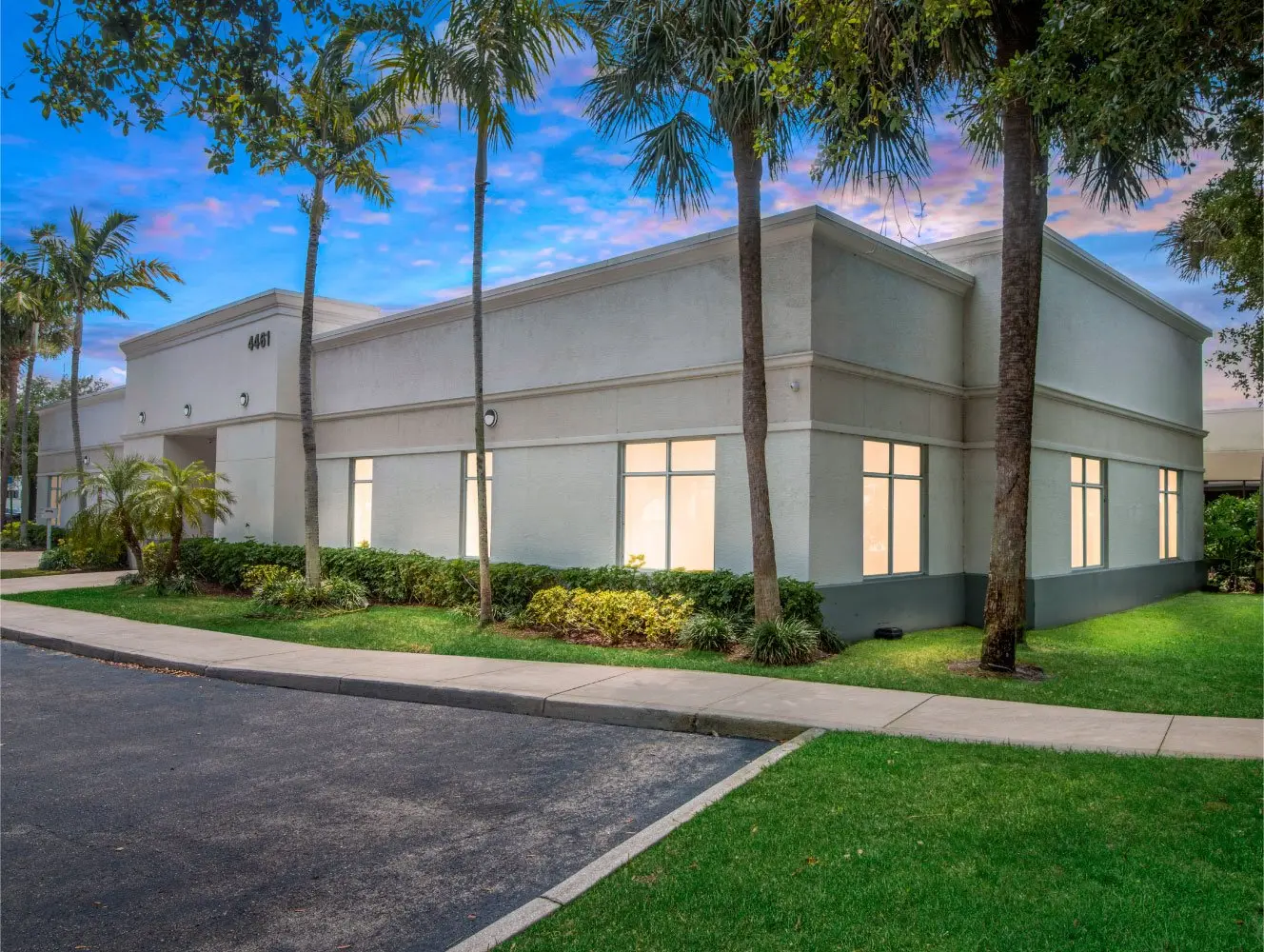
All In Solutions Wellness Center
1
Top 10 Rehab Centers In West Palm Beach



















































































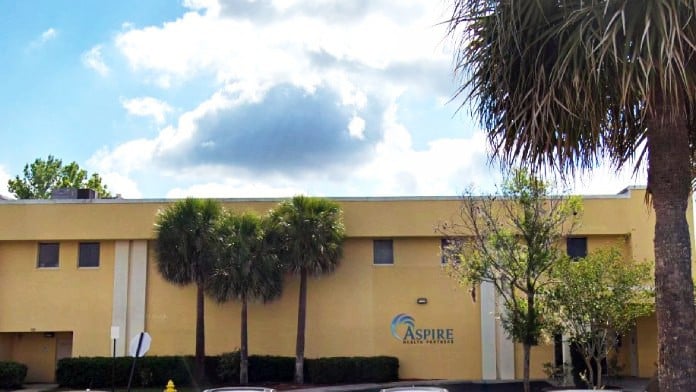
Adults who need detox or are in a crisis enter Kennedy for at least seven days. This includes clients under court order. Treatment can include medications to ease withdrawal, along with therapy. You’ll be monitored 24/7 to prevent any relapses. After the seven days, you’re referred to another Aspire location to complete your recovery.
Adults who need counseling for behavioral health issues are welcomed in the outpatient programs. Here, you’ll develop life skills and learn ways to reintegrate back into your community. Family programs can include counseling for kids who are having trouble with school or are having emotional difficulties.
The services for children can range from counseling to prevention. Kennedy’s ALPHA program is intended to teach elementary school kids the dangers of drug addiction before it’s too late. The prevention program provides counselors who go to schools at no cost.
There’s also a supportive housing program called Dave’s House. You’ll be responsible for your own living routines, including cooking and cleaning, with minimal supervision.
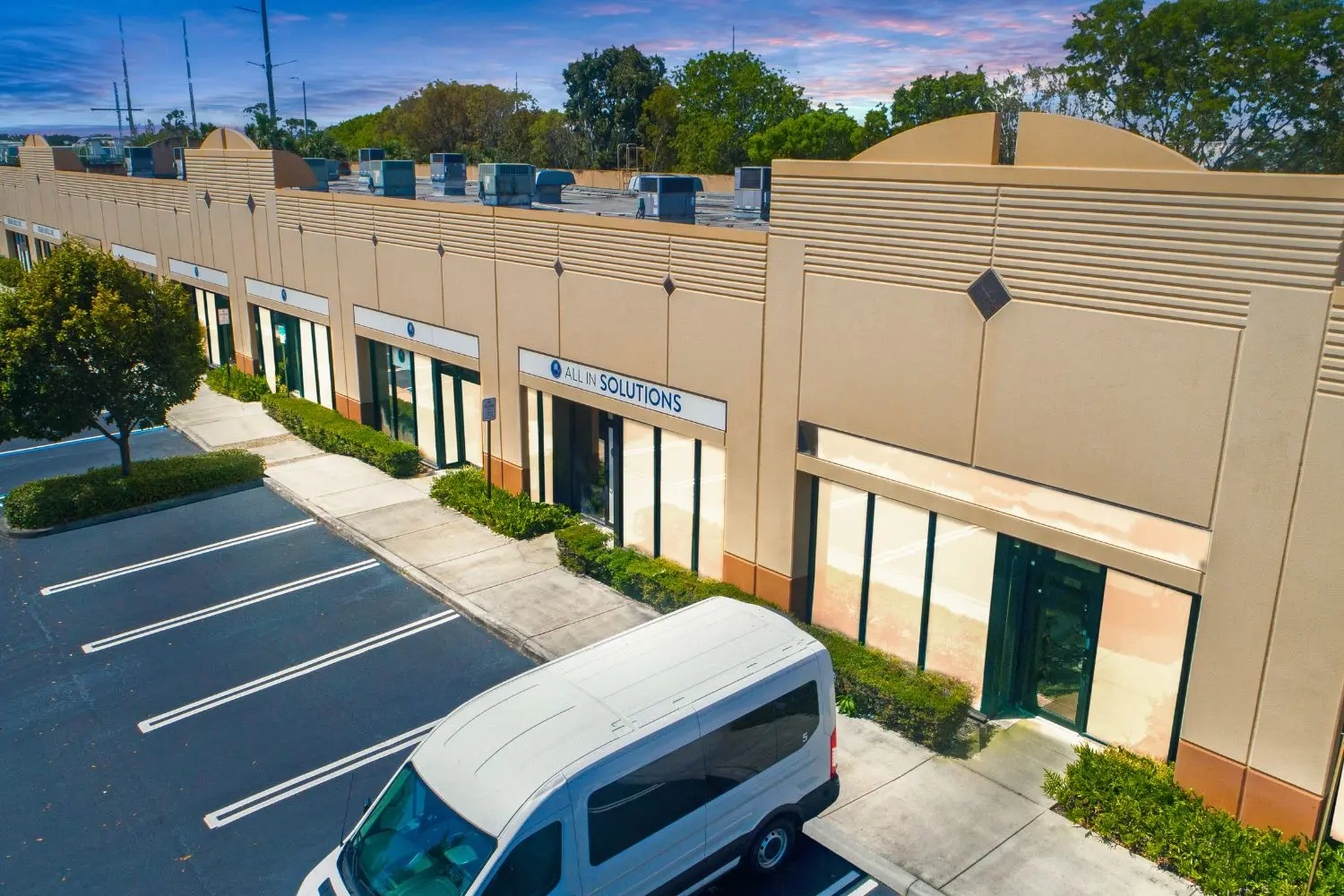

 Our Methodology


Self-pay involves paying for treatment out of your own pocket. You can use savings or credit, get a personal loan, or receive help from family and friends to fund your treatment. If you don't have insurance or your insurance plan doesn't cover a specific program, self-pay can help ensure you still get the care you need.
Financial aid can take many forms. Centers may have grants or scholarships available to clients who meet eligibility requirements. Programs that receive SAMHSA grants may have financial aid available for those who need treatment as well. Grants and scholarships can help you pai for treatment without having to repay.
Sliding scale payments are based on a client's income and family size. The goal is to make treatment affordable to everyone. By taking these factors into account, addiction recovery care providers help ensure that your treatment does not become a financial burden to you or your family, eliminating one barrier to care.
Medicaid is a state based program that helps lower-income individuals and families pay for healthcare. Medicaid covers addiction treatment so those enrolled can use their coverage to pay for rehab. When a program accepts Medicaid the client often pays very little or nothing out of their own pocket.
Military members, veterans, and eligible dependents have access to specific insurance programs that help them get the care they need. TRICARE and VA insurance can help you access low cost or no cost addiction and mental health treatment. Programs that accept military insurance often have targeted treatment focused on the unique challenges military members, veterans, and their families face.
Medicare is a federal program that provides health insurance for those 65 and older. It also serves people under 65 with chronic and disabling health challenges. To use Medicare for addiction treatment you need to find a program that accepts Medicare and is in network with your plan. Out of pocket costs and preauthorization requirements vary, so always check with your provider.
Private insurance refers to any kind of healthcare coverage that isn't from the state or federal government. This includes individual and family plans offered by an employer or purchased from the Insurance Marketplace. Every plan will have different requirements and out of pocket costs so be sure to get the full details before you start treatment.
Residential treatment programs are those that offer housing and meals in addition to substance abuse treatment. Rehab facilities that offer residential treatment allow patients to focus solely on recovery, in an environment totally separate from their lives. Some rehab centers specialize in short-term residential treatment (a few days to a week or two), while others solely provide treatment on a long-term basis (several weeks to months). Some offer both, and tailor treatment to the patient's individual requirements.
Drug and alcohol addiction often takes a heavy toll on one's body. Over time, a physical dependence can develop, meaning the body physiologically needs the substance to function. Detox is the process of removing drugs and/or alcohol from the body, a process that can be lethal if mismanaged. Medical detox is done by licensed medical professionals who monitor vital signs and keep you safe, healthy, and as comfortable as possible as you go through detox and withdrawal.
12-step programs are addiction recovery models based on Alcoholics Anonymous (AA). A number of substance abuse programs (including some drug and alcohol rehab centers) use the 12 steps as a basis for treatment. Beginning steps involve admitting powerlessness over the addiction and creating a spiritual basis for recovery. Middle steps including making direct amends to those who've been hurt by the addiction, and the final step is to assist others in addiction recovery in the same way. 12-Step offshoots including Narcotics Anonymous (NA), Cocaine Anonymous (CA), Dual Recovery Anonymous (DRA), Sex and Love Addicts Anonymous (SLAA) and Gamblers Anonymous (GA).
Completing a drug or alcohol rehab program shouldn't spell the end of substance abuse treatment. Aftercare involves making a sustainable plan for recovery, including ongoing support. This can include sober living arrangements like halfway houses, career counseling, and setting a patient up with community programs like Alcoholics Anonymous (AA) or Narcotics Anonymous (NA).
The goal of treatment for alcoholism is abstinence. Those with poor social support, poor motivation, or psychiatric disorders tend to relapse within a few years of treatment. For these people, success is measured by longer periods of abstinence, reduced use of alcohol, better health, and improved social functioning. Recovery and Maintenance are usually based on 12 step programs and AA meetings.
Drug rehab in Florida provides quality treatment to help individuals overcome dependency related to a wide range of addictive substances. Programs address both the physical and mental aspects of addiction in order to help you make a full recovery.
Many of those suffering from addiction also suffer from mental or emotional illnesses like schizophrenia, bipolar disorder, depression, or anxiety disorders. Rehab and other substance abuse facilities treating those with a dual diagnosis or co-occurring disorder administer psychiatric treatment to address the person's mental health issue in addition to drug and alcohol rehabilitation.
A combined mental health and substance abuse rehab has the staff and resources available to handle individuals with both mental health and substance abuse issues. It can be challenging to determine where a specific symptom stems from (a mental health issue or an issue related to substance abuse), so mental health and substance abuse professionals are helpful in detangling symptoms and keeping treatment on track.
Opioid rehabs specialize in supporting those recovering from opioid addiction. They treat those suffering from addiction to illegal opioids like heroin, as well as prescription drugs like oxycodone. These centers typically combine both physical as well as mental and emotional support to help stop addiction. Physical support often includes medical detox and subsequent medical support (including medication), and mental support includes in-depth therapy to address the underlying causes of addiction.
Adult rehab programs include therapies tailored to each client's specific needs, goals, and recovery progress. They are tailored to the specific challenges adult clients may face, including family and work pressures and commitments. From inpatient and residential treatment to various levels of outpatient services, there are many options available. Some facilities also help adults work through co-occurring conditions, like anxiety, that can accompany addiction.
Young adulthood can be an exciting, yet difficult, time of transition. Individuals in their late teens to mid-20s face unique stressors related to school, jobs, families, and social circles, which can lead to a rise in substance use. Rehab centers with dedicated young adult programs will include activities and amenities that cater to this age group, with an emphasis on specialized counseling, peer socialization, and ongoing aftercare.
Cognitive Behavioral Therapy (CBT) is a therapy modality that focuses on the relationship between one's thoughts, feelings, and behaviors. It is used to establish and allow for healthy responses to thoughts and feelings (instead of unhealthy responses, like using drugs or alcohol). CBT has been proven effective for recovering addicts of all kinds, and is used to strengthen a patient's own self-awareness and ability to self-regulate. CBT allows individuals to monitor their own emotional state, become more adept at communicating with others, and manage stress without needing to engage in substance abuse.
Whether a marriage or other committed relationship, an intimate partnership is one of the most important aspects of a person's life. Drug and alcohol addiction affects both members of a couple in deep and meaningful ways, as does rehab and recovery. Couples therapy and other couples-focused treatment programs are significant parts of exploring triggers of addiction, as well as learning how to build healthy patterns to support ongoing sobriety.
Dialectical Behavior Therapy (DBT) is a modified form of Cognitive Behavioral Therapy (CBT), a treatment designed to help people understand and ultimately affect the relationship between their thoughts, feelings, and behaviors. DBT is often used for individuals who struggle with self-harm behaviors, such as self-mutilation (cutting) and suicidal thoughts, urges, or attempts. It has been proven clinically effective for those who struggle with out-of-control emotions and mental health illnesses like Borderline Personality Disorder.
Research clearly demonstrates that recovery is far more successful and sustainable when loved ones like family members participate in rehab and substance abuse treatment. Genetic factors may be at play when it comes to drug and alcohol addiction, as well as mental health issues. Family dynamics often play a critical role in addiction triggers, and if properly educated, family members can be a strong source of support when it comes to rehabilitation.
Group therapy is any therapeutic work that happens in a group (not one-on-one). There are a number of different group therapy modalities, including support groups, experiential therapy, psycho-education, and more. Group therapy involves treatment as well as processing interaction between group members.
In individual therapy, a patient meets one-on-one with a trained psychologist or counselor. Therapy is a pivotal part of effective substance abuse treatment, as it often covers root causes of addiction, including challenges faced by the patient in their social, family, and work/school life.
Life skills trainings involve all the skills a person must have in order to function successfully in the world. These include time management, career guidance, money management, and effective communication. Truly successful addiction recovery is based on the ability to not only live substance-free, but to thrive. Life skills teaches the practical necessities of functioning in society, which sets clients up for success in life, and therefore sobriety.
Motivational Interviewing (MI) is a clinical approach to helping people with substance abuse issues and other conditions shift behavior in positive ways. It is more goal-oriented than traditional psychotherapy, as MI counselors directly attempt to get clients to consider making behavioral change (rather than wait for them to come to conclusions themselves). Its primary purpose is to resolve ambivalence and help clients become able to make healthy choices freely.
Nicotine Replacement Therapy (NRT) is a way of getting nicotine into the bloodstream without smoking. It uses products that supply low doses of nicotine to help people stop smoking. The goal of therapy is to cut down on cravings for nicotine and ease the symptoms of nicotine withdrawal.
Recreational therapy (aka therapeutic recreation) uses creative and fun activities to help with addiction recovery. Recreational therapists lead patients in entertaining and engaging activities like sports or games; art (drawing, painting, sculpture); drama, music, and dance; and/or community outings (field trips) to improve patients' physical, social, and emotional well-being.
Trauma therapy addresses traumatic incidents from a client's past that are likely affecting their present-day experience. Trauma is often one of the primary triggers and potential causes of addiction, and can stem from child sexual abuse, domestic violence, having a parent with a mental illness, losing one or both parents at a young age, teenage or adult sexual assault, or any number of other factors. The purpose of trauma therapy is to allow a patient to process trauma and move through and past it, with the help of trained and compassionate mental health professionals.
 Residential Setting
 President & CEO
Assistant Secretary
Board Chair
Treasurer
Secretary
Vice Chair

The Commission on Accreditation of Rehabilitation Facilities (CARF) is a non-profit organization that specifically accredits rehab organizations. Founded in 1966, CARF's, mission is to help service providers like rehab facilities maintain high standards of care.
CARF Accreditation: Yes
Accreditation Number: 19475
Rehab.com regularly reviews this listing for accuracy but changes may occur between updates. For the most up-to-date information, please contact Aspire Health Partners – Kennedy Campus.

434 West Kennedy Boulevard
Orlando, FL 32810
Sponsored Helpline

My mother was held here, and she has celiac disease. The team has no training or knowledge of celiac disease. She was given breakfast once, and then a bowl of cereal. That is, not enough. Plus, not proper food, force a Person dealing with celiacs Also, she Was put on voluntary hold, and the doctors would give her no information about when she could leave

Came here on a marchman act after going to a music festival. This place is disorganized and did me more damage than good. Lack of communication and most the people working there seem tired of their jobs, a lot of them don’t seem to care and treat people struggling as below them. I was disrespected so many times, for asking basic questions like when I’m seeing a doctor. The only helpful thing here was other patients who shared their stories, and Deborah with an H doing the AA groups. Doctors talked to me for not even 5 minutes. There’s no therapy or counseling, no one to talk to when you need someone. I literally sat in bed for days. It felt like a prison, honestly probably worse but I wouldn’t know. You workers need to be the light in these peoples lives like Deborah and actually try to help, find that spark why you’re here and be proud of your work. Every time I went to the desk the staff looked at me, ignored me, and kept talking to each other. I get you’re short staffed but don’t take it out on the patients. Maybe find a better job and don’t be there just for the paycheck. I was scared and confused being here and a lot made me feel unwelcomed. I didn’t get any help I needed here. Nothing changed when I left. I was told I would see a doctor this morning then this morning happen and suddenly I’m not on his list? Along with others? Then my mom tries calling this place to help ME get info and no one answers the phone. Lack of communication disorganization. I can’t believe this facility is still running, it’s a dump. All they have is crappy printed coloring pages and broken crayons and puzzles with missing pieces to do. Even when I first entered, they put us in this bright small room with a loud ass tv to do intake work. I couldn’t even focus and felt I was losing my mind. Not what you should do to help people in these situations. I kept telling them I need to know when I’m leaving because I live in Clearwater, I need to get a ride, I need to let my boss know when I’ll be back. Their phones work like shit, where whoever I called couldn’t hear me most the time and staff said “oh well that’s the only phone.” They told me I’m leaving tomorrow then today suddenly I’m discharged, with no ride plan and they knew this, just didn’t care. This place and the people really don’t care about you they just want their shitty paycheck and do minimum to earn it because “their job is so hard.” Yet you chose this job. Again, the only good thing you’ll get from being here is talking to other patients and going to the one short group they have with Deborah everyday. I feel for everyone that gets trapped here. I’m so sorry

Honestly this place saves lives, thanks Aspire :)

This place is a joke. My husband was brought here for detox, wasn't even there a day and he was kicked out because they needed more beds available, my husband was supposed to go to a rehab after the detox was completed and the nurse or whatever she is told he ohh you have to figure that on your own becIw that will take us too much time and we don't have the time, what kind of place is this??? Your supposed to help these patients, I wouldnt send my dog there!!!! They don't care unless you have the BEST insurance!!!
 Back
Back
Sharing your insights and experiences can help others learn more about this rehab center.

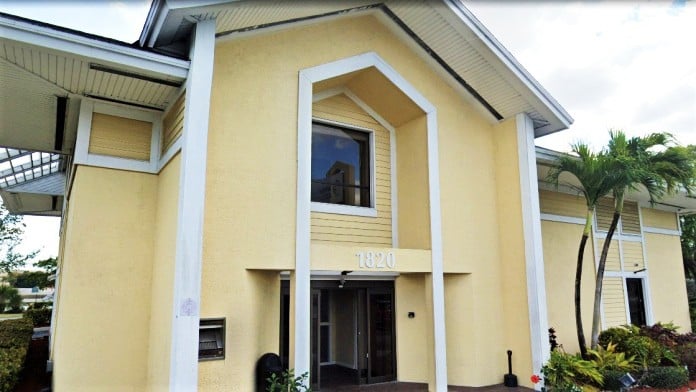
 Written By: Peter Lee
PhD
Written By: Peter Lee
PhD


