































































































Excellent compassionate staff who are caring and kind to all patients.
About Beckley Comprehensive Treatment
Beckley Comprehensive Treatment, located in Beaver, West Virginia is a private alcohol and drug rehab that offers treatment for a variety of substance abuse addictions including opiate addiction. They offer supervised medical treatment to safely manage withdrawal symptoms during detoxification, residential care providing long term support for addiction recovery, as well as flexible outpatient addiction therapy allowing patients to live at home while receiving regular treatment. Additional levels of care offered include intensive outpatient, relapse prevention, and 12-step therapy.
Specialty rehab programs at Beckley Comprehensive Treatment include tailored care focusing on women's specific needs and experiences, gender-specific addiction treatment addressing unique challenges faced by men, and treatment integrated with HIV/AIDS care, ensuring comprehensive health management.
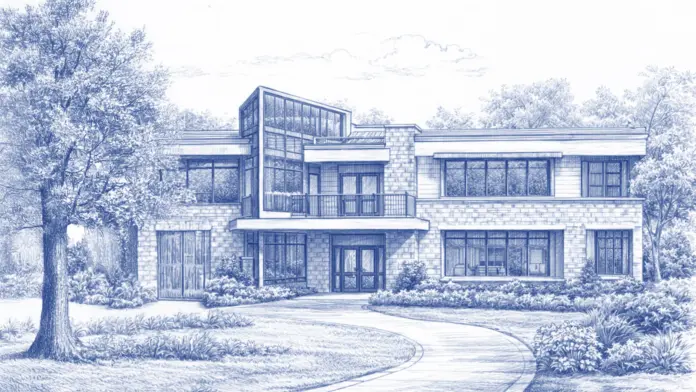
Patients at Beckley Comprehensive Treatment will find the residential setting creates an immersive environment promoting full engagement in recovery away from daily triggers and the private rooms that give personal space for reflection and undisturbed rest during treatment. The natural setting lets patients get immersed in nature to reduce stress and begin their healing process in a holistic manner.
Beckley Comprehensive Treatment has received accreditations from CARF and The NAATP.
Latest Reviews
I'm very supportive of it. It definitely has saved my life.
Response from the owner1 week ago
Thank you for your valuable feedback! We sincerely appreciate your support as we strive to make an enduring positive impact in every aspect of our treatment.
There are some very caring people here and some pretty awesome ones too!
Response from the owner1 week ago
Offering a sense of renewed hope is fundamental to our mission. Thank you sincerely for your feedback!
Accountability is what held me back from being the best me. I needed that to keep me on the best path. They hold you accountable for your actions there, ppl may not like that and want to be mad when csught up, but you get what you put into life.
Also, NONE OF THE PICTURES ARE FROM THE BTC lol. Idk why the didn't use real photos. Eh it's all good though.
Response from the owner1 week ago
Thank you for your feedback! We are sincerely grateful for the opportunity to consistently uphold our commitment to delivering care that sets the standard for clinical excellence. 
Rehab Score
 Our Methodology
Scoring is assigned by a proprietary system which helps surface key metrics that determine quality. The 10-point scale factors in categories such as operations, customer satisfaction, and trust metrics. Read Full Methodology

6.6 / 10
Location
Accepted Insurance
Other Forms of Payment
Private insurance refers to any kind of healthcare coverage that isn't from the state or federal government. This includes individual and family plans offered by an employer or purchased from the Insurance Marketplace. Every plan will have different requirements and out of pocket costs so be sure to get the full details before you start treatment.
Self-pay involves paying for treatment out of your own pocket. You can use savings or credit, get a personal loan, or receive help from family and friends to fund your treatment. If you don't have insurance or your insurance plan doesn't cover a specific program, self-pay can help ensure you still get the care you need.
Financial aid can take many forms. Centers may have grants or scholarships available to clients who meet eligibility requirements. Programs that receive SAMHSA grants may have financial aid available for those who need treatment as well. Grants and scholarships can help you pai for treatment without having to repay.
Medicare is a federal program that provides health insurance for those 65 and older. It also serves people under 65 with chronic and disabling health challenges. To use Medicare for addiction treatment you need to find a program that accepts Medicare and is in network with your plan. Out of pocket costs and preauthorization requirements vary, so always check with your provider.
Medicaid is a state based program that helps lower-income individuals and families pay for healthcare. Medicaid covers addiction treatment so those enrolled can use their coverage to pay for rehab. When a program accepts Medicaid the client often pays very little or nothing out of their own pocket.
Military members, veterans, and eligible dependents have access to specific insurance programs that help them get the care they need. TRICARE and VA insurance can help you access low cost or no cost addiction and mental health treatment. Programs that accept military insurance often have targeted treatment focused on the unique challenges military members, veterans, and their families face.
Addiction Treatments
Levels of Care
Outpatient Programs (OP) are for those seeking mental rehab or drug rehab, but who also stay at home every night. The main difference between outpatient treatment (OP) and intensive outpatient treatment (IOP) lies in the amount of hours the patient spends at the facility. Most of the time an outpatient program is designed for someone who has completed an inpatient stay and is looking to continue their growth in recovery. Outpatient is not meant to be the starting point, it is commonly referred to as aftercare.
Drug and alcohol addiction often takes a heavy toll on one's body. Over time, a physical dependence can develop, meaning the body physiologically needs the substance to function. Detox is the process of removing drugs and/or alcohol from the body, a process that can be lethal if mismanaged. Medical detox is done by licensed medical professionals who monitor vital signs and keep you safe, healthy, and as comfortable as possible as you go through detox and withdrawal.
Intensive Outpatient Programs (IOP) are for those who want or need a very structured treatment program but who also wish to live at home and continue with certain responsibilities (such as work or school). IOP substance abuse treatment programs vary in duration and intensity, and certain outpatient rehab centers will offer individualized treatment programs.
Participants in 12 step programs receive ongoing peer support while cultivating recovery-focused life skills. They engage in frequent, sometimes daily, 12 step meetings, which are anonymous, free, peer-led, and available day and night in most communities. Self-selected sponsors offer one-on-one mentoring throughout the recovery journey. This model invokes spiritual principles to encourage self-awareness, forgiveness, accountability, and acceptance in persons pursuing recovery. Specialized formatting is common, including programs for teens, seniors, and family members.
Clients undergoing treatment at an inpatient rehab receive intensive clinical supervision and robust therapeutic support. Clients remain at the facility for the duration of their program, allowing them to focus on their recovery free of outside distractions, stressors, and triggers. Most inpatient programs offer addiction counseling as their primary treatment modality. This often includes group and family therapy in addition to individual counseling. Many centers also provide complementary therapies and recovery-focused life skills training.
Clients who are leaving detox or intensive inpatient care often transition into a rehab aftercare program. Outpatient treatment is among the most common rehab aftercare services, but clients often continue to receive support long after being discharged from formal treatment. Clients' long-term care plans are highly individualized and designed to evolve with the clients' changing needs. Case managers and care teams typically work with the client to design their unique care strategy.
Treatments
Opioid rehabs specialize in supporting those recovering from opioid addiction. They treat those suffering from addiction to illegal opioids like heroin, as well as prescription drugs like oxycodone. These centers typically combine both physical as well as mental and emotional support to help stop addiction. Physical support often includes medical detox and subsequent medical support (including medication), and mental support includes in-depth therapy to address the underlying causes of addiction.
Substance rehabs focus on helping individuals recover from substance abuse, including alcohol and drug addiction (both illegal and prescription drugs). They often include the opportunity to engage in both individual as well as group therapy.
Programs
Adult rehab programs include therapies tailored to each client's specific needs, goals, and recovery progress. They are tailored to the specific challenges adult clients may face, including family and work pressures and commitments. From inpatient and residential treatment to various levels of outpatient services, there are many options available. Some facilities also help adults work through co-occurring conditions, like anxiety, that can accompany addiction.
Young adulthood can be an exciting, yet difficult, time of transition. Individuals in their late teens to mid-20s face unique stressors related to school, jobs, families, and social circles, which can lead to a rise in substance use. Rehab centers with dedicated young adult programs will include activities and amenities that cater to this age group, with an emphasis on specialized counseling, peer socialization, and ongoing aftercare.
Clinical Services
Through cognitive behavioral therapy in West Virginia, therapists encourage clients to identify negative thoughts, gain control over them, and develop ways to change their behaviors. This can be an effective way to break the cycle of addiction and overcome substance use disorder.
A counselor can apply couples therapy techniques to guide partners through a variety of relationship challenges. Couples therapy in West Virginia can address infidelity, substance use, disconnect, and family issues. It is appropriate for intervention in both new and seasoned relationships.
During family therapy, family members work with therapists to understand addiction as a disease and how it affects the family unit. Using this approach fosters empathy and reduces blame between family members. This creates a nurturing environment that helps support their loved one's sobriety.
Group therapy involves multiple individuals coming together during one therapeutic session. Like individual therapy, group therapy sessions are counselor-led. Unlike individual therapy sessions, however, group therapy involves multiple participants working together towards a shared goal.
Individual therapy is a method of treatment that entails a patient meeting with a counselor in a one-on-one setting. This setup is extremely beneficial for individuals working through an addiction to drugs, such a prescription medications, morphine, or heroin.
Trauma therapy gives you a structured approach to healing from past traumatic events. You can experience the emotional and psychological impact of trauma whether you witness an event or experience it. Your therapist guides you in understanding your responses and helps you develop healthier coping skills.
Motivational interviewing in West Virginia is often used when the client's desire to change is low, their confidence is low, or they are struggling with mixed feelings about change. This technique allows them to explore the change process and feel empowered to move forward.
The core philosophies of dialectical behavior therapy in West Virginia are that everything is interconnected, change is inevitable, and you can integrate opposites to reach the truth. Treatment focuses on acceptance and change. You'll learn how emotions and behaviors are connected, accept your feelings, and learn how to change patterns of emotion and behavior.
Amenities
-
 Residential Setting
 -
 Private Rooms
Accreditations

The Commission on Accreditation of Rehabilitation Facilities (CARF) is a non-profit organization that specifically accredits rehab organizations. Founded in 1966, CARF's, mission is to help service providers like rehab facilities maintain high standards of care.
CARF Accreditation: Yes

The National Association of Addiction Treatment Providers (NAATP) is a professional association that represents organizations in the field of addiction services. Founded in 1978, NAATP's mission is to advance addiction services and ensure that high-quality addiction treatment is available and accessible.
NAATP Member: Yes
Member ID: 1662
Rehab.com regularly reviews this listing for accuracy but changes may occur between updates. For the most up-to-date information, please contact Beckley Comprehensive Treatment.
Contact Information

175 Philpot Lane
Beaver, WV 25813
Get Help Now - 304-578-5627
Sponsored Helpline
Sponsored Helpline


