Getting an appointment here is impossible, and as if that were not enough, they kept my daughter and me waiting room for about two hours!!!
About Bellin Health Psychiatric Center
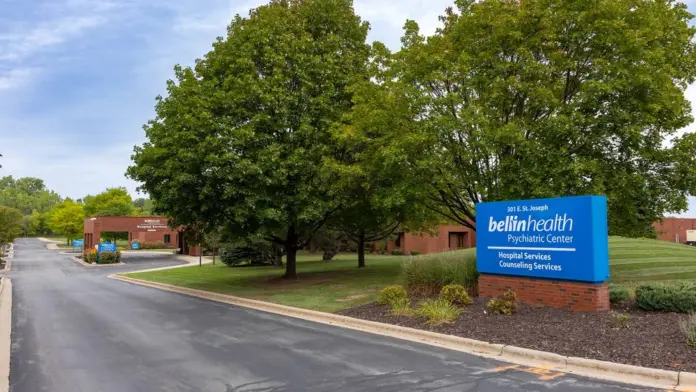
Bellin Psychiatric Center is located on East Saint Joseph Street in Green Bay, Wisconsin. The center offers inpatient and outpatient behavioral health services, including substance use disorder (SUD) treatment. The psychiatric hospital and psychiatric clinical services are at this location. Most insurance in Wisconsin includes Belin Health, so payment shouldn’t be an obstacle. They also accept Medicare and Medicaid.
Inpatient Mental Health Treatment in Green Bay, Wisconsin
Most people know Green Bay as the city with one of the most successful NFL franchises in history. The town loves its football! It’s also a great place to fish for Walleye and has lots of waterfront attractions.
If you or a loved one needs SUD or behavioral health treatment for a co occurring disorder, you can find that in Green Bay too. The psychiatric center offers an 80 bed hospital with a specially designed unit for children 12 and under. There’s a separate unit for teens 13-17 so each age group gets treatment that meets their unique needs.
The adult psychiatric treatment program helps clients strengthen coping skills and learn new methods of dealing with challenges and struggles. As an inpatient, you’ll learn about codependency, stress management, and communication skills through experiential and educational classes.
Medication Assisted Treatment (MAT) for Substance Use Disorder
The MAT treatment program assists individuals with an opioid or alcohol use disorder. The medications help you withdraw slowly without the uncomfortable side effects of unmedicated withdrawal. The MAT program works in conjunction with other elements of the SUD program, such as therapy, to help clients get to the root of their substance use.
The SUD programs include group and individual therapy. Group therapy is especially helpful in giving clients a supportive network of individuals experiencing similar life challenges. Individual therapy gives you the opportunity to discuss more private matters with your therapist.
Neuropsychology for Improved Diagnosis and Treatment in Green Bay
One of the unique services offered at this center is the neuropsychology services. A neuropsychologist evaluates cognitive issues. Cognitive impairment is sometimes a side effect of substance use. A neuropsychologist can give a diagnosis and treatment options for clients with cognitive impairments.

Facility Overview
Latest Reviews
Rehab Score
Gallery
Other Forms of Payment
Private insurance refers to any kind of healthcare coverage that isn't from the state or federal government. This includes individual and family plans offered by an employer or purchased from the Insurance Marketplace. Every plan will have different requirements and out of pocket costs so be sure to get the full details before you start treatment.
Self-pay involves paying for treatment out of your own pocket. You can use savings or credit, get a personal loan, or receive help from family and friends to fund your treatment. If you don't have insurance or your insurance plan doesn't cover a specific program, self-pay can help ensure you still get the care you need.
Financial aid can take many forms. Centers may have grants or scholarships available to clients who meet eligibility requirements. Programs that receive SAMHSA grants may have financial aid available for those who need treatment as well. Grants and scholarships can help you pai for treatment without having to repay.
Medicaid is a state based program that helps lower-income individuals and families pay for healthcare. Medicaid covers addiction treatment so those enrolled can use their coverage to pay for rehab. When a program accepts Medicaid the client often pays very little or nothing out of their own pocket.
Military members, veterans, and eligible dependents have access to specific insurance programs that help them get the care they need. TRICARE and VA insurance can help you access low cost or no cost addiction and mental health treatment. Programs that accept military insurance often have targeted treatment focused on the unique challenges military members, veterans, and their families face.
Addiction Treatments
Levels of Care
Outpatient Programs (OP) are for those seeking mental rehab or drug rehab, but who also stay at home every night. The main difference between outpatient treatment (OP) and intensive outpatient treatment (IOP) lies in the amount of hours the patient spends at the facility. Most of the time an outpatient program is designed for someone who has completed an inpatient stay and is looking to continue their growth in recovery. Outpatient is not meant to be the starting point, it is commonly referred to as aftercare.
Drug and alcohol addiction often takes a heavy toll on one's body. Over time, a physical dependence can develop, meaning the body physiologically needs the substance to function. Detox is the process of removing drugs and/or alcohol from the body, a process that can be lethal if mismanaged. Medical detox is done by licensed medical professionals who monitor vital signs and keep you safe, healthy, and as comfortable as possible as you go through detox and withdrawal.
Intensive Outpatient Programs (IOP) are for those who want or need a very structured treatment program but who also wish to live at home and continue with certain responsibilities (such as work or school). IOP substance abuse treatment programs vary in duration and intensity, and certain outpatient rehab centers will offer individualized treatment programs.
Residential treatment programs are those that offer housing and meals in addition to substance abuse treatment. Rehab facilities that offer residential treatment allow patients to focus solely on recovery, in an environment totally separate from their lives. Some rehab centers specialize in short-term residential treatment (a few days to a week or two), while others solely provide treatment on a long-term basis (several weeks to months). Some offer both, and tailor treatment to the patient's individual requirements.
Treatments
The goal of treatment for alcoholism is abstinence. Those with poor social support, poor motivation, or psychiatric disorders tend to relapse within a few years of treatment. For these people, success is measured by longer periods of abstinence, reduced use of alcohol, better health, and improved social functioning. Recovery and Maintenance are usually based on 12 step programs and AA meetings.
The goal of drug rehab in Wisconsin is to address drug addiction as a complex issue that involves physical, mental, and relational aspects. During rehab, treatment focuses on each of these areas and gives you the tools you need to achieve and maintain sobriety.
A combined mental health and substance abuse rehab has the staff and resources available to handle individuals with both mental health and substance abuse issues. It can be challenging to determine where a specific symptom stems from (a mental health issue or an issue related to substance abuse), so mental health and substance abuse professionals are helpful in detangling symptoms and keeping treatment on track.

Opioid rehabs specialize in supporting those recovering from opioid addiction. They treat those suffering from addiction to illegal opioids like heroin, as well as prescription drugs like oxycodone. These centers typically combine both physical as well as mental and emotional support to help stop addiction. Physical support often includes medical detox and subsequent medical support (including medication), and mental support includes in-depth therapy to address the underlying causes of addiction.

Programs
Adult rehab programs include therapies tailored to each client's specific needs, goals, and recovery progress. They are tailored to the specific challenges adult clients may face, including family and work pressures and commitments. From inpatient and residential treatment to various levels of outpatient services, there are many options available. Some facilities also help adults work through co-occurring conditions, like anxiety, that can accompany addiction.
Young adulthood can be an exciting, yet difficult, time of transition. Individuals in their late teens to mid-20s face unique stressors related to school, jobs, families, and social circles, which can lead to a rise in substance use. Rehab centers with dedicated young adult programs will include activities and amenities that cater to this age group, with an emphasis on specialized counseling, peer socialization, and ongoing aftercare.
Clinical Services
One focus of family therapy is to create a network for the individual in recovery. Families must identify dysfunctional patterns and develop healthier ways of interacting. This can significantly improve their loved one's treatment outcome.
Group therapy is any therapeutic work that happens in a group (not one-on-one). There are a number of different group therapy modalities, including support groups, experiential therapy, psycho-education, and more. Group therapy involves treatment as well as processing interaction between group members.
Individual therapy offers you a tailored approach to treat drug addiction. This focuses on your unique needs and offers you personalized support outside of a group setting. You begin to understand what triggers your addictive behavior and develop coping skills that can support your recovery.
Amenities
-
Residential Setting
-
Private Setting
Contact Information
301 East Saint Joseph street
Green Bay WI, 54301